Practical Action at COP31

9 – 20 November 2026
Antalya, Türkiye

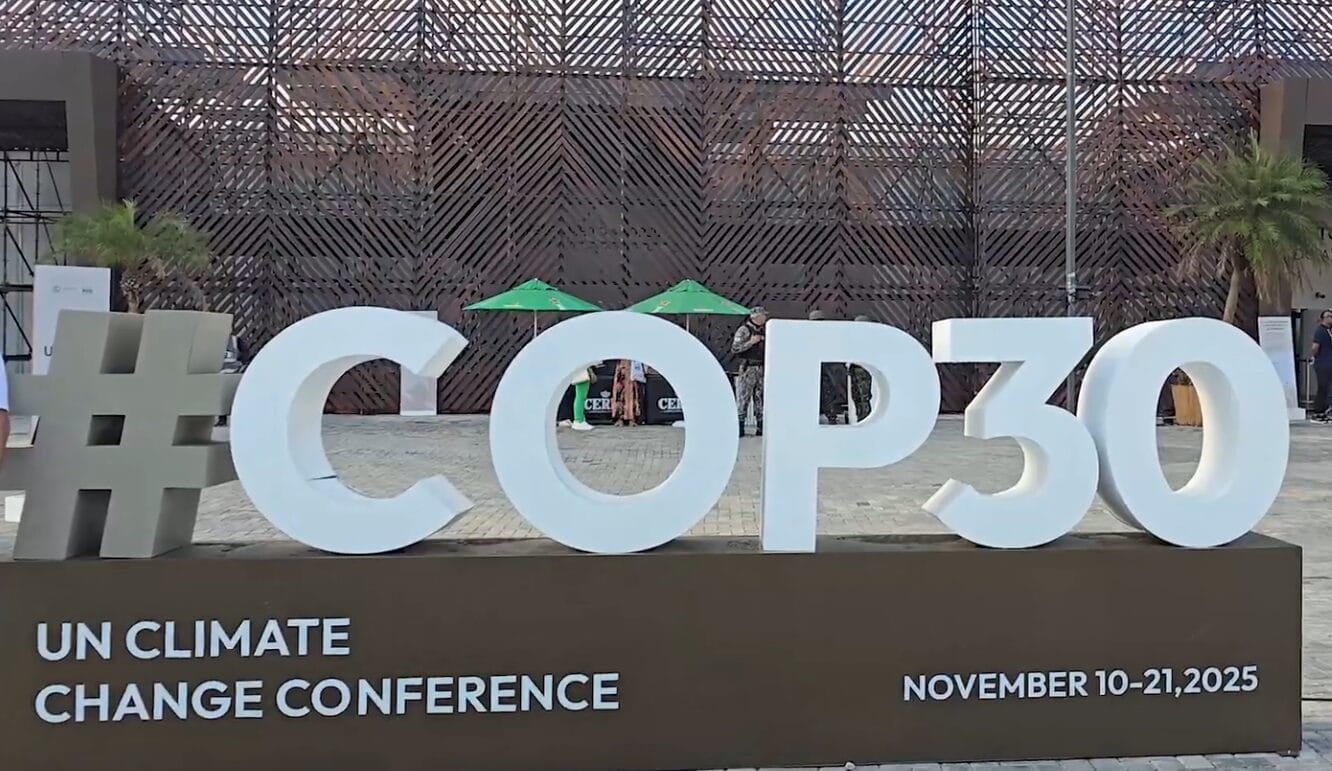
The 31st UN Climate Change Conference (COP31) will take place in 2026 and is very important worldwide.

It follows the first big review of global climate efforts, called the Global Stocktake (GST), and after countries set a new funding target, the New Collective Quantified Goal (NCQG), at COP30. Because of this, COP31’s main task is to help countries move from talking about climate action to actually doing it.

The conference focuses on making sure the Paris Agreement promises are kept. The agreement has three key parts: cutting pollution (mitigation), preparing for climate impacts (adaptation), and funding these actions (climate finance). During COP31, countries will work on turning their goals into measurable actions, funding their promises, and using GST advice in their national plans with strong international support.

The decisions made in Antalya will affect whether we can still meet the Paris Agreement’s main goal: keeping global warming under 1.5°C. The conference leaders have a big responsibility to keep everyone focused on this urgent goal. They must check if the new national climate plans (NDCs 3.0) are strong enough and push for clear actions to close the gap between current efforts and what’s needed to protect the planet.
Why the conference matters: addressing the global stocktake gap

COP31 is crucial because of the first Global Stocktake (GST) under the Paris Agreement. The GST showed the world is not on track to keep warming below 1.5°C and revealed big gaps in ambition and action across all areas.


Scientific context: Reports from the IPCC and UNEP warn that current national climate plans (NDCs) will lead to warming well above 1.5°C, even if all conditional promises are met. The GST stressed that global emissions must peak soon and drop sharply after 2025.

Needed cuts: To limit warming to 1.5°C, global greenhouse gas emissions must fall by about 43% by 2030 compared to 2019. This is the target for reviewing new NDCs.

Current path: With current unconditional pledges, warming could reach 2.8°C by century’s end, showing the urgent need for stronger action at COP31.

COP31 goals: The conference must push for bigger, clearer climate targets in NDCs 3.0 to close the emissions gap before 2030, with all countries proving real policy action. Key focus areas include:

  • NDC review: Checking that new NDCs (due by 2025) match the GST findings and the 1.5°C goal.
  • Climate finance: Putting into action the New Collective Quantified Goal on funding agreed at COP30, ensuring support for developing and vulnerable countries.
  • Faster implementation: Moving beyond rules to quick action on climate policies, including clean energy and adaptation efforts.
  • Protecting vulnerable groups: Using the joint hosts (Türkiye, Australia, Pacific) to highlight the urgent dangers for Small Island Developing States (SIDS) and push for adaptation and Loss and Damage funds.

Please get in touch to discuss partnership opportunities, or find out more about our work.

Contact us