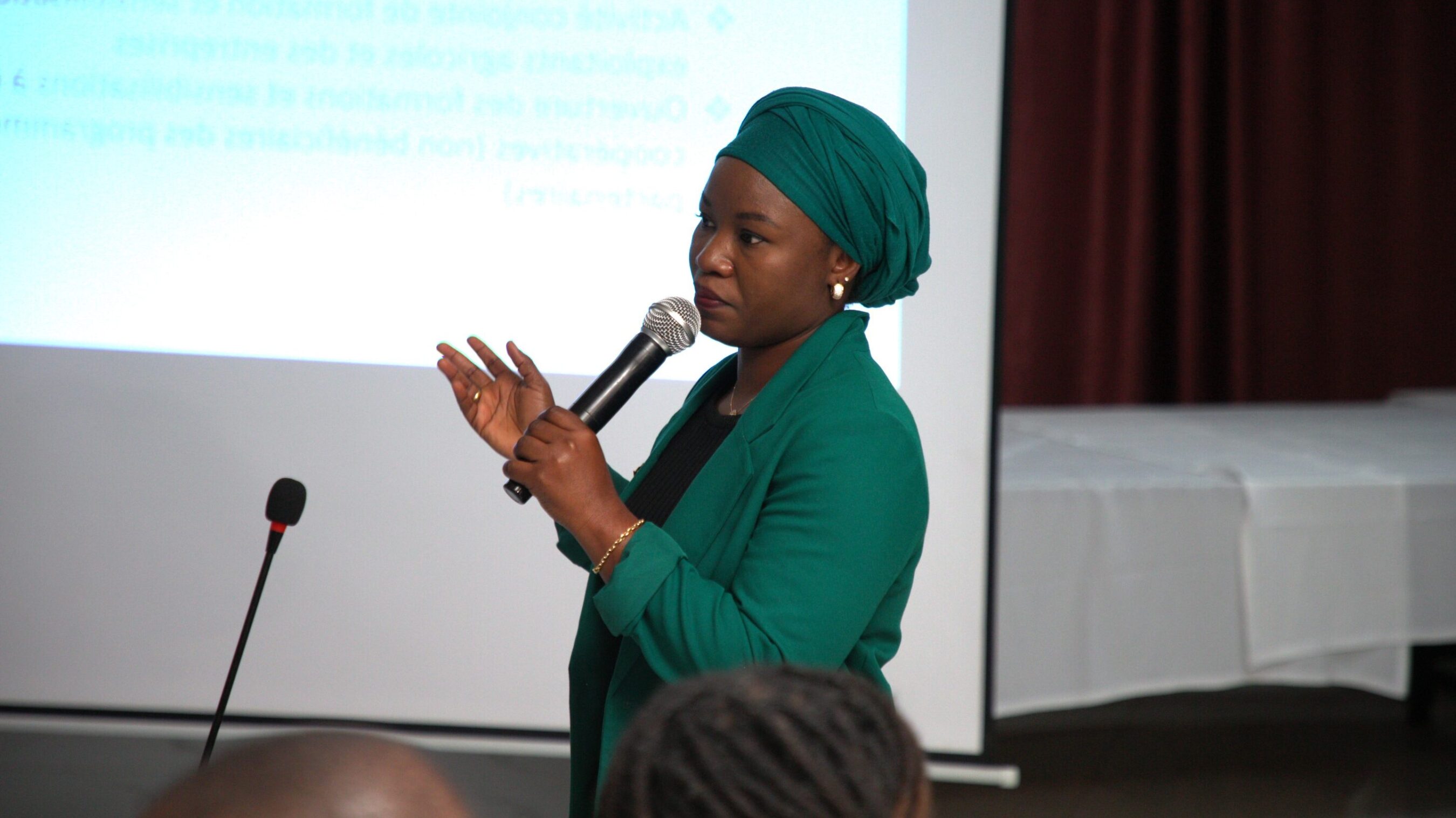
Policy and influence

We inform policy making to ensure the most vulnerable people are not left behind.

We look for ways to change underlying systems, and identify where we can have most impact.

We convene and collaborate with governments, international organisations, and the private sector. This allows us to take proven solutions to the next level of scale and sustainability.

Our policy and advocacy work focuses on the same areas as our work with communities. Everything we do has big change in sight. We challenge the status quo to change the systems that perpetuate vulnerability.


Our key policy areas

Our policy work contributes to 9 of the 17 Sustainable Development Goals and is underpinned by our commitment to tackle catastrophic climate change and persistent gender inequality.

Food systems

We promote agroecology as a key part of food security, economic development, and poverty reduction strategies.

We call for:

  • Policies that support smallholder farmers and marginalised rural communities, especially women, while advancing the Sustainable Development Goals (SDGs).
  • Climate funding for developing countries to scale climate-smart agroecological solutions, with greater investment in multi-crop and systems research.
  • More research and investment in agroecology to strengthen smallholder productivity and resilience through locally relevant solutions.
  • Governments, donors, development agencies, and businesses to use market systems to encourage wider adoption of agroecological practices.
More on agriculture

Energy access

We call for urgent action to expand inclusive energy access so that no one is left behind by 2030.

We advocate for significantly increased public and private investment in decentralised energy solutions. Funding should support not only energy supply but also productive uses of energy that drive economic opportunity and reduce poverty.

Greater efforts are needed to tackle the clean cooking challenge. Investment should support a range of technologies, alongside programmes that build awareness and encourage behaviour change.

Through our technical advisory work, we help governments develop policies and regulations that enable off-grid energy access.

More on energy access

Climate resilience

A systems approach is central to our work. We bring together communities, governments, businesses, and other stakeholders to address the factors that shape risk and resilience, rather than working with communities in isolation.

Climate change is integrated across all our work. We support vulnerable people to adapt to changing conditions and cope with extreme weather, while building the evidence and political support needed to scale up effective solutions.

  • We work with governments and other stakeholders to integrate disaster risk reduction into policies and programmes.
  • We examine how climate change, natural hazards, markets, and smallholder farming affect resilience, food security, and sustainable livelihoods.
  • We explore how climate change influences migration and help identify ways for people to manage increasing risks and uncertainty.
More on climate resilience

WASH and waste management

Service delivery models must recognise the informal sector’s important role in providing urban services. Poor urban communities should be active partners in decisions on funding, design, delivery, and management of WASH and waste services. Stronger collaboration between communities and local governments is essential for equitable service delivery.

Although funding commitments for WASH and waste management have increased, too little reaches sanitation, waste services, and poor urban communities.

We call for:

  • development financing, budgets, and policies that prioritise the urban poor
  • greater investment in hygiene
  • safe water from source to use
  • people-centred waste management
  • recognition and support for informal workers
  • waste management systems that improve lives while contributing to climate goals
More on cities and waste

Contact us

We are always interested in engaging with other practitioners and those interested in development.

We welcome feedback on our work and are interested in opportunities for collaboration.

If you are interested in working with us, we suggest that you register on these platforms, if you have not done so already.