How systems change happens
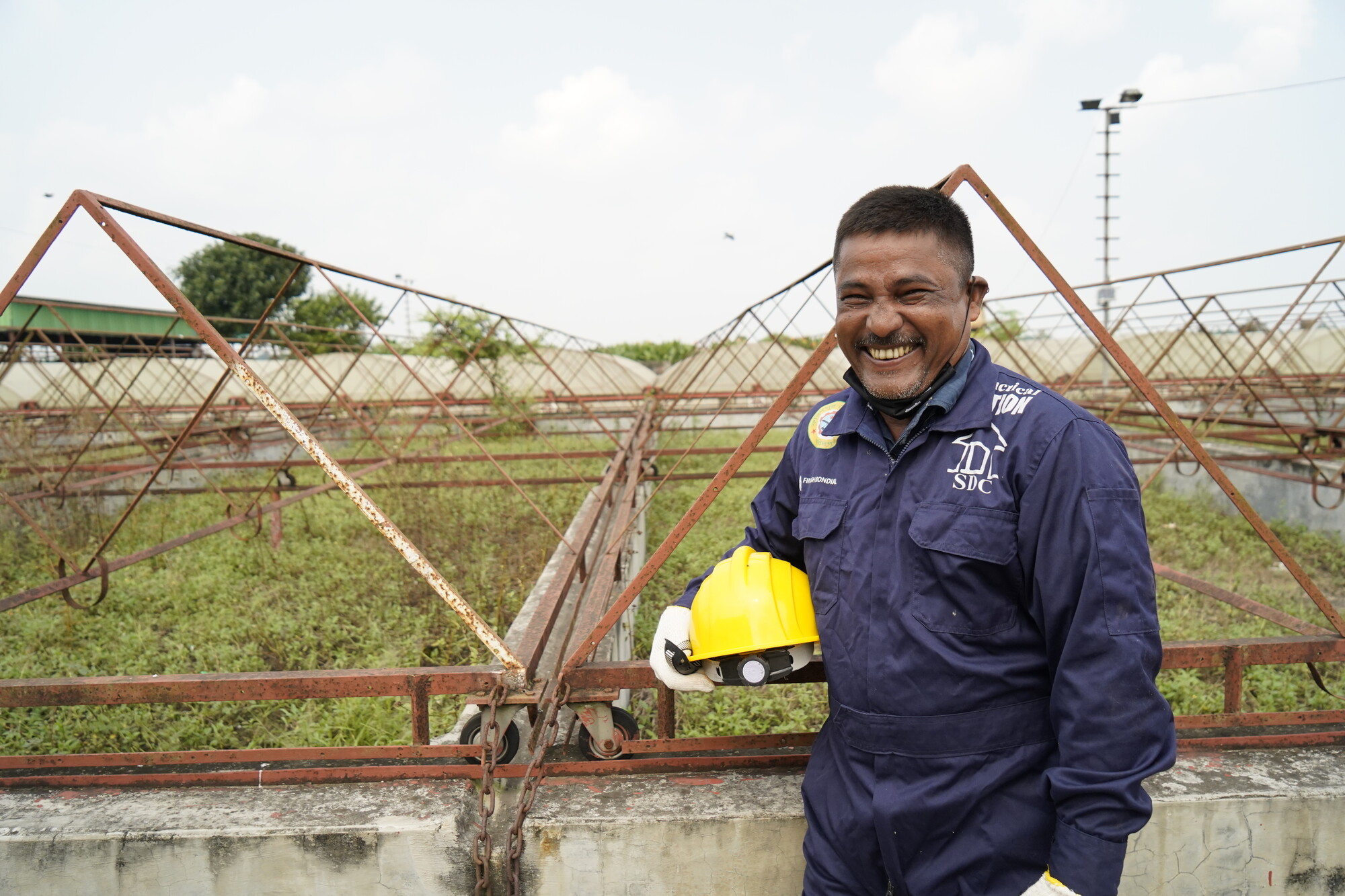
For decades, sanitation workers in Bangladesh carried out dangerous, essential work without the legal recognition, security or influence their contribution deserved.
Change has taken years of sustained work alongside workers, cooperatives, local authorities and national institutions. Over the past ten years, workers organised into cooperatives, gaining the legal standing to open bank accounts, bid for contracts and take part in decisions about the services they provide. Each step made the next one possible.
Today, many workers have municipal contracts, formal recognition and a voice in the decisions that shape sanitation services.
More than 1,400 informal waste workers have joined an organised plastic collection and recycling chain. For many, monthly income has roughly doubled, from around BDT 5,000 to BDT 10,000.
Women are also taking on leadership roles, while worker representatives are helping shape national sanitation policy.
This is what lasting change looks like: not simply improving conditions for individuals, but changing the structures that determine how people are treated, paid and heard.
It takes time. But when each step creates the conditions for the next, change can endure beyond any single project.