
Author: Beth Simons, Climate Risk Advisor at Practical Action
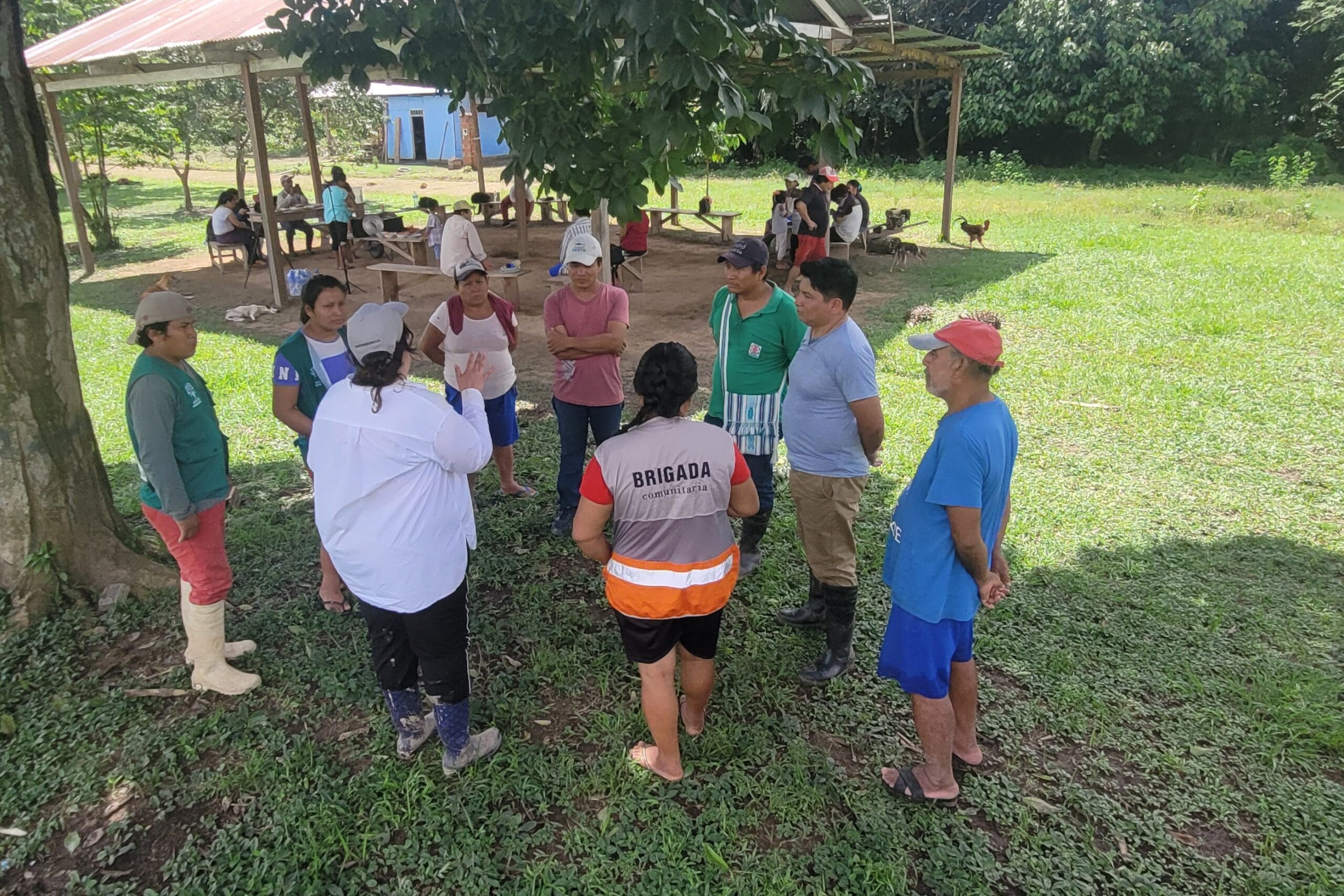
Every few years, a climate pattern in the Pacific Ocean known as El Niño leads to extreme weather in many parts of the world.
This year, El Niño has already been declared, with a particularly severe event predicted. Here, we look at what impact it will have and how Practical Action is helping communities prepare for it.
As far back as the late 1500s, fishermen along the coast of Peru, where Practical Action has worked since 1985, noticed periods when the Pacific Ocean became unusually warm. During these times, fish stocks sharply declined, threatening livelihoods and food security. As this event often occurred around December, it became known as ‘El Niño de Navidad’ (The Little Boy of Christmas).
It wasn’t until the 20th Century that scientists began to understand the bigger picture. They discovered these changes in the ocean were closely linked with the atmosphere, affecting weather patterns far beyond the Pacific Ocean. This linked system became known as the El Niño-Southern Oscillation, or ‘ENSO’. The ENSO has three states: El Niño (warming ocean), La Niña (cooling ocean) and Neutral.
Today, ENSO is recognised as a natural cycle involving changes in sea surface temperatures in the Pacific Ocean and the winds above it. These changes are some of the most important in shaping weather patterns, and influencing the risk of floods, droughts and other natural hazards globally (UK Met Office, n.d.).
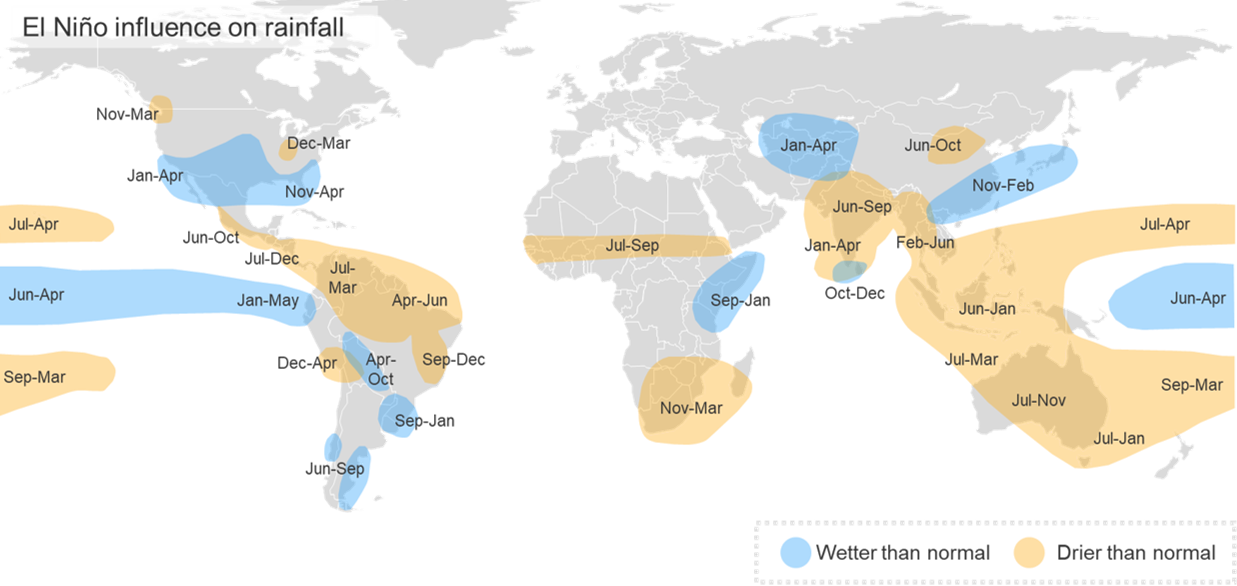
When El Niño develops, shifting ocean temperatures and winds disrupt our usual weather. Temperature and rainfall patterns are affected across the world, although impacts are not the same everywhere, and do not all occur at once. They also vary depending on the time of year.
By studying past El Niño events, scientists have identified patterns that often, although not always, emerge:
On 11 June 2026, the US National Oceanic and Atmospheric Administration (NOAA) declared El Niño conditions are underway in the tropical Pacific, following months of sea surface temperature rises.
The precise impact will depend on other global weather influences, and how they interact with the El Niño. These other influences can only be forecast at shorter timescales. However, it could cause fluctuations in food production (and global prices) water supplies and damage to infrastructure and homes.
We do know that El Niño events often build gradually, with their strongest influence typically felt between November and February. This will extend the impacts on global weather patterns into 2027, giving some communities extra time to prepare.
It is also important with any climate risk to consider a full range of scenarios. In some cases, an El Niño can bring positive benefits. For example, milder winters may extend growing seasons and provide opportunities for a second crop sowing. In other locations, maximising potential for rainwater harvesting during increased rainfall may improve water availability.
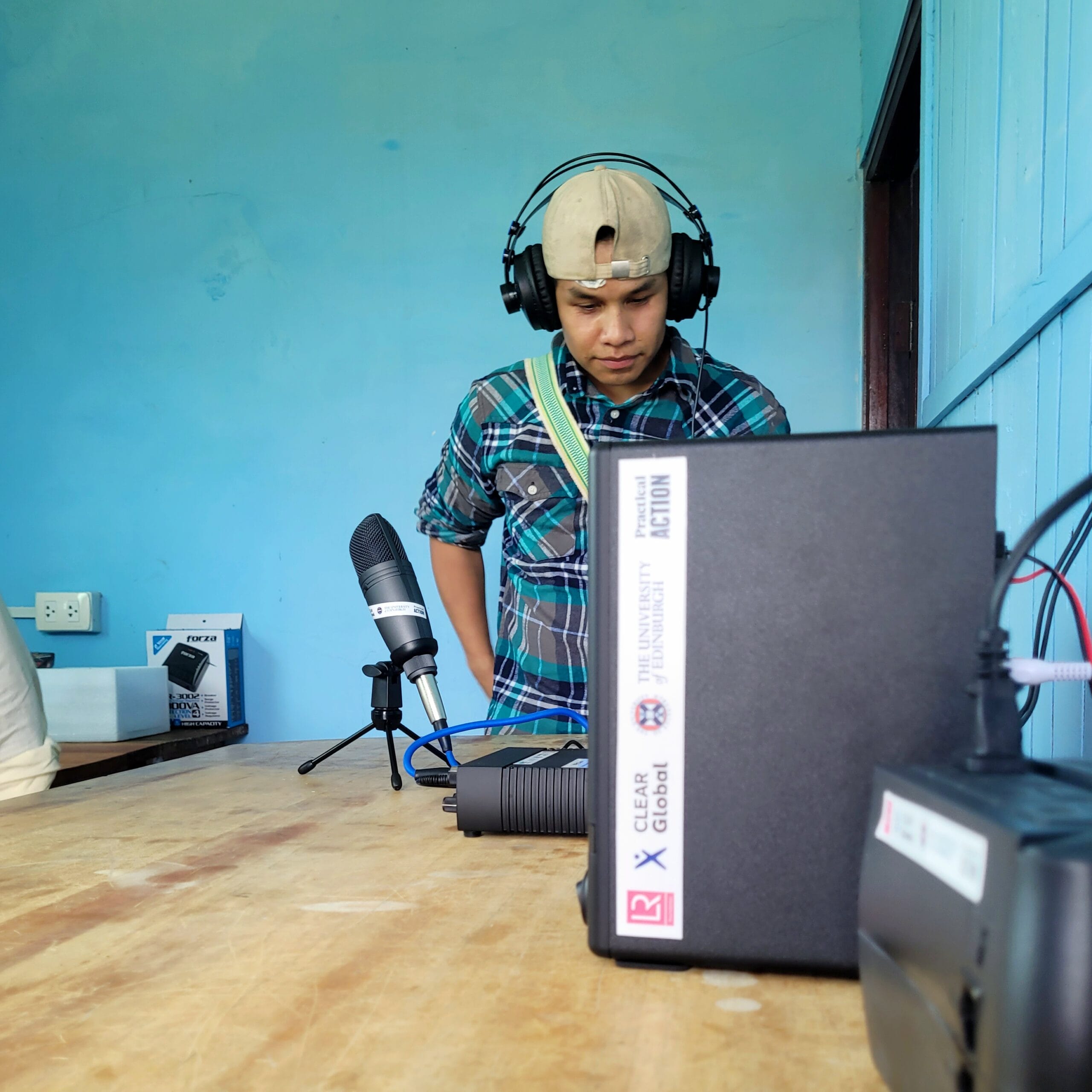
Luckily, ENSO is one of the few climate phenomena we can anticipate several months in advance as it is one of our most closely observed and researched climate phenomena. This early warning has given the governments and communities with who we work valuable time to prepare.
Practical Action used early warnings about the El Niño to act, working with our local partners and communities to translate climate forecasts into practical measures.
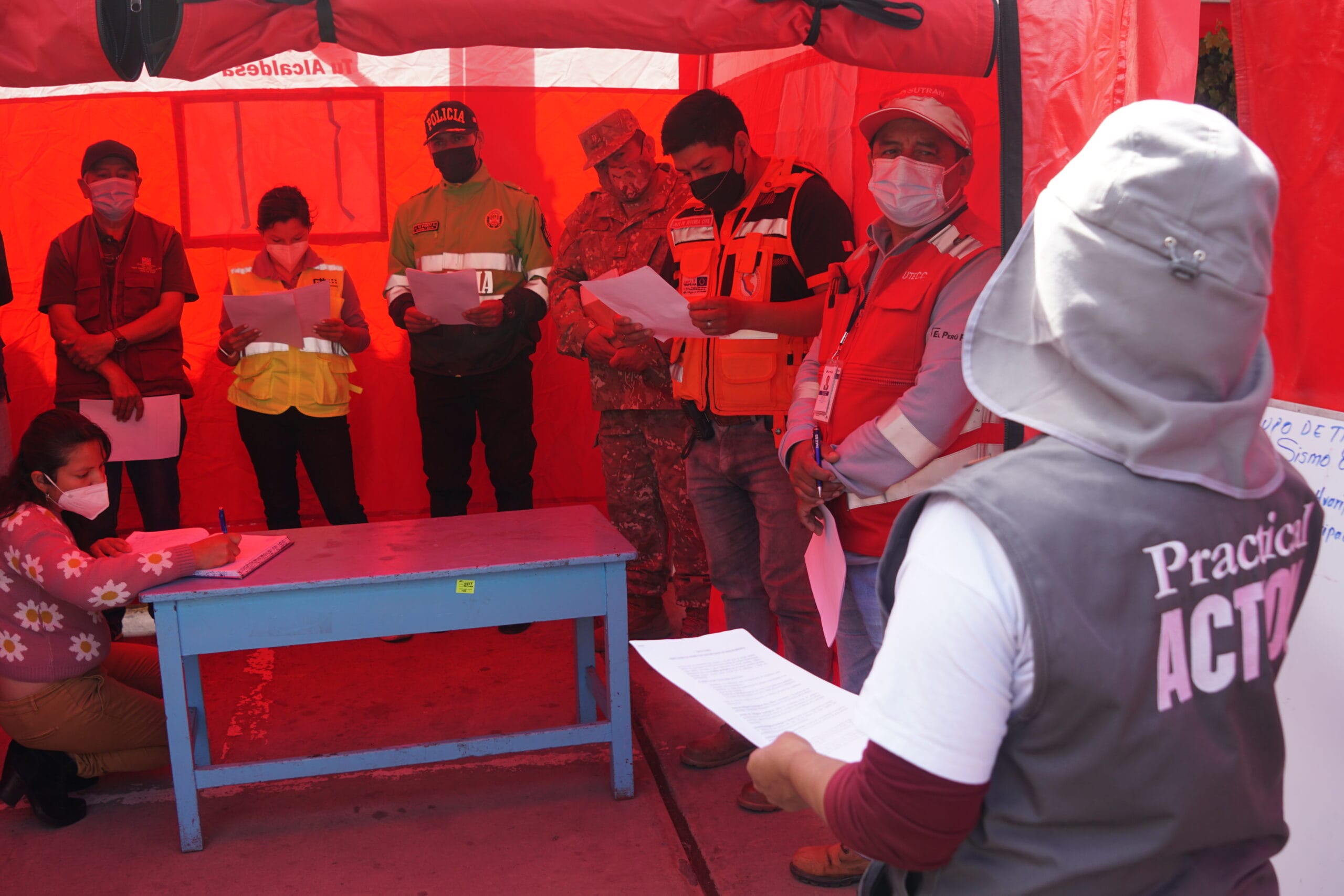
By learning from previous events and using evidence from scientific forecasts with local knowledge, we are supporting communities in strengthening resilience, protecting livelihoods and adapt quickly to the early impacts of El Niño. Impacts from an El Niño are not inevitable, but El Niño events do test whether Government preparations and early warning systems, which Practical Action works to strengthen, are adequate.
Practical Action Nepal has been using seasonal forecasts to guide early action. With the Department of Hydrology and Meteorology projecting below-average monsoon rainfall and above-normal temperatures in 2026, we are working with media and our local partners to raise awareness of emerging El Niño risks, based on our learnings from previous events (e.g. 2015).
We are already supporting heat action planning alongside strengthening early warning systems and multi-hazard early warning services, helping communities prepare for increasing heat stress. Through our multi-hazard approach as part of the Zurich Climate Resilience Alliance, we are addressing the heightened risk of glacial lake outburst floods (GLOFs), where rising temperatures and unstable conditions can trigger sudden floods that cascade downstream. By linking heat action, GLOF monitoring and flood early warning, we are helping communities anticipate and respond to the connected risks to food, water, and livelihoods, building climate resilience.
In early 2026, Peru’s commission in charge of ENSO (ENFEN) forecast the development of an El Niño Costero, where extreme rains in coastal cities develop in response to warming ocean waters ahead of an El Niño event. Communities living on steep hillsides and riverbanks are at high risk of floods and mudslides from these extreme rains. We know from previous El Niño Costero events, the damages to homes and livelihoods can be considerable, and early action can help to mitigate some of these harms.
The city of Piura and the east of Lima are at high risk. With the support of the Swiss Agency for Development and Cooperation (SDC), the national Institute of Civil Defense (INDECI) and local government we built on our early action approach, to protect 1,500 families and reduce impacts of floods and mudslides. Read more about what we’re doing (translation available).
There are articles mentioning that we could see a ‘Super El Niño’ in 2026/27. This is not a technical scientific term but is referring to the magnitude of forecasted sea surface temperature changes in the Pacific Ocean. Currently, forecasts indicate sea surface temperatures could rise significantly which can be (but is not always) associated with more intense climate disruption.
The 2009-10 and 2015-16 El Niño events had significant sea surface temperature rises, which saw severe floods and drought around the world. Practical Action will continue to use our learnings from these events and monitor forecasts over the coming months.
ENSO is a natural climate cycle and variation in sea surface temperatures is expected. Scientists are still working to better understand how ENSO interacts with human-driven climate change.
Growing evidence suggests climate change may be amplifying natural ENSO fluctuations, with swings in Pacific Ocean temperatures becoming more extreme since the mid-20th Century. This can, but does not always, increase the intensity of impacts associated with El Niño events.
When an El Niño event occurs, it increases the likelihood of higher global average temperatures, particularly in the year following its development. The expected emergence of an El Niño in 2026 could push global temperatures temporarily above the 1.5°C threshold set out in the Paris Agreement for several months in 2027.
This does not mean the world will have permanently exceeded the 1.5°C warming limit. However, it is a clear sign the remaining ‘headroom’ to stay below this level is shrinking. With every fraction of a degree of warming, the risks of loss and damage from climate-related hazards increases, particularly for communities on the frontlines of climate change.
Author: Beth Simons, Climate Risk Advisor at Practical Action