A £15m investment to help communities around the world prepare for the impacts of El Niño has been broadly welcomed by climate experts at Practical Action.
The announcement by the UK Government is welcome recognition that the best time to act on climate risk is before disaster strikes.
The funding will help communities prepare in advance, including measures to protect livestock, reinforce homes and help farming families protect their livelihoods.
However, teams at Practical Action warn that the amount of investment is way below what the world is going to need if they are to help people cope with the multitude of hazards expected.
They also believe investment should not be tested against what return the UK or UK businesses will receive, but focus on locally led adaptation, affordability and the opportunity to take initial work to scale.
Chris Anderson, Practical Action’s Head of Climate and Resilience, said:
“Preparing for climate shocks before they become disasters saves lives, protects livelihoods and makes scarce resources go further. El Niño gives us something that many climate hazards do not: valuable lead time. We can use forecasts to help communities understand what is coming, prepare for different scenarios and take practical action before the impacts become severe.
“For this to work, people need more than a forecast. They need inclusive, people-centred early warning systems that reach and involve those most at risk and enable them to act. Good progress has been made globally, but significant gaps remain in ensuring warnings reach, are understood and can be acted on by all communities.
“Practical Action has decades of experience working alongside communities and governments to strengthen early warning systems. Our work combines scientific forecasts with local knowledge and practical measures that enable people to respond to risk.
“This investment is an important step, but we need sustained investment in preparedness, early warning and locally led adaptation. As climate risks intensify and development resources come under pressure, we cannot afford to wait until homes, crops and livelihoods have already been lost before support arrives.”
The economic case for acting early is clear. The World Meteorological Organization says every dollar invested in early warning systems can yield up to $15 in reduced disaster impacts. The UK Government also highlights evidence that proactive drought responses in the Horn of Africa could have prevented an estimated $2.5 billion in lost incomes and assets.
Practical Action is already applying this approach.
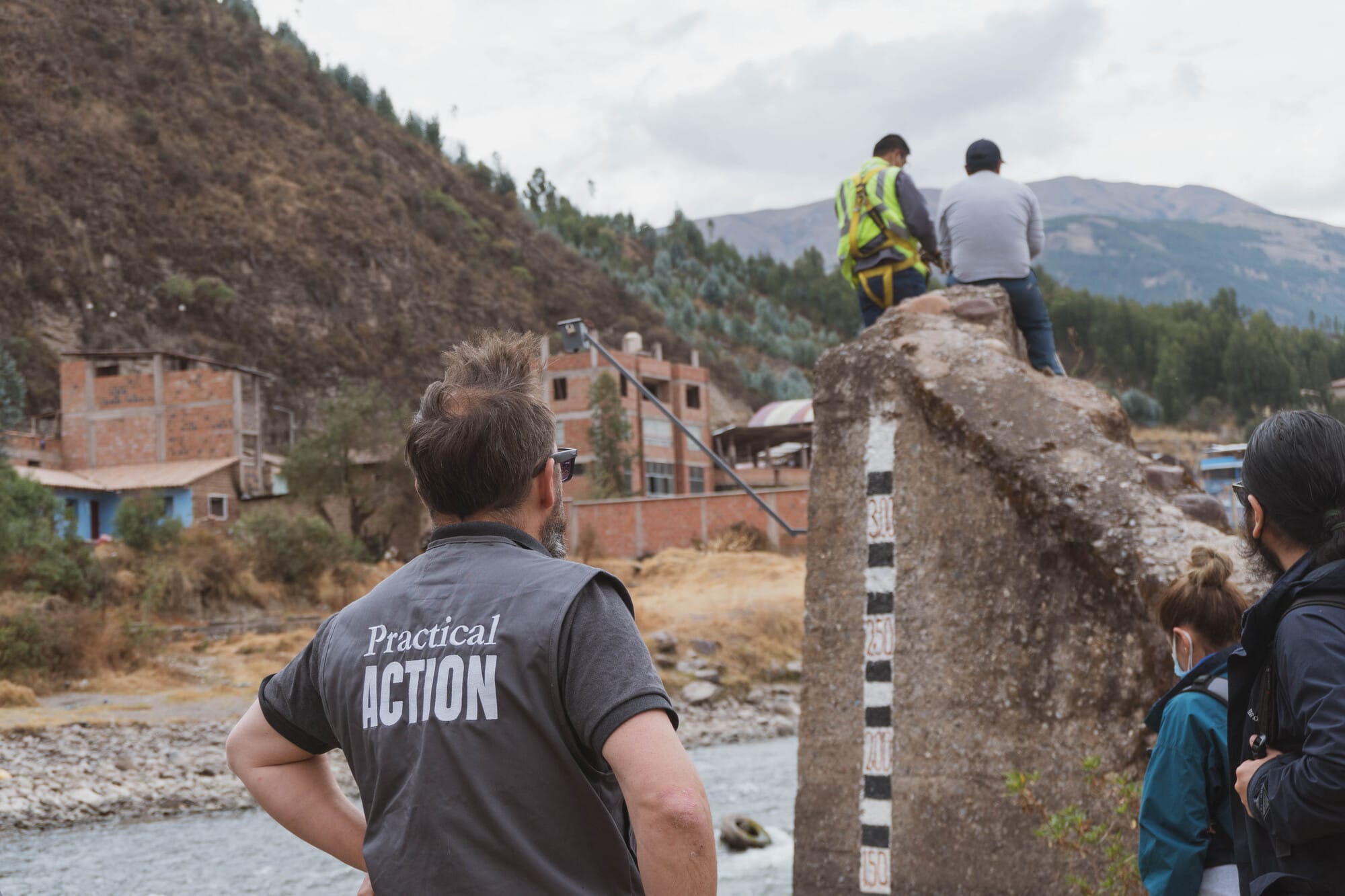
In Peru, we are strengthening early warning and early-action systems with communities and governments. In early 2026, our work in Piura and East Lima supported around 1,500 families exposed to flooding and mudslides.
In Kenya, teams are preparing for potential El Niño impacts, including increased rainfall, flooding and landslides, while considering the implications for livelihoods, infrastructure and essential services.
El Niño affects different places in different ways, with some communities facing flooding and landslides and others drought, heat or wildfire. This makes locally informed planning essential, using forecasts alongside community knowledge to identify the actions needed in each context.
The priority now should be to ensure the new funding reaches those most at risk and supports affordable, locally led solutions that can be taken to scale. Investment in risk reduction must also be sustained so that action happens before, rather than after, disaster strikes.