Read the full story
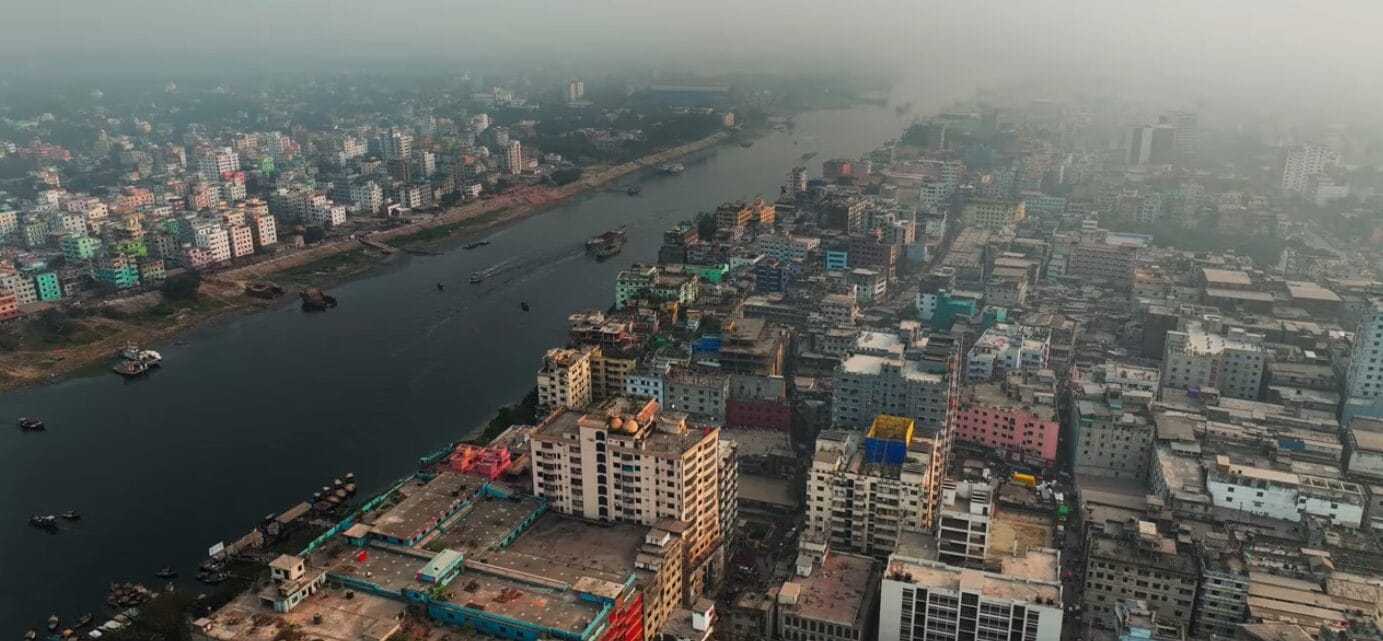
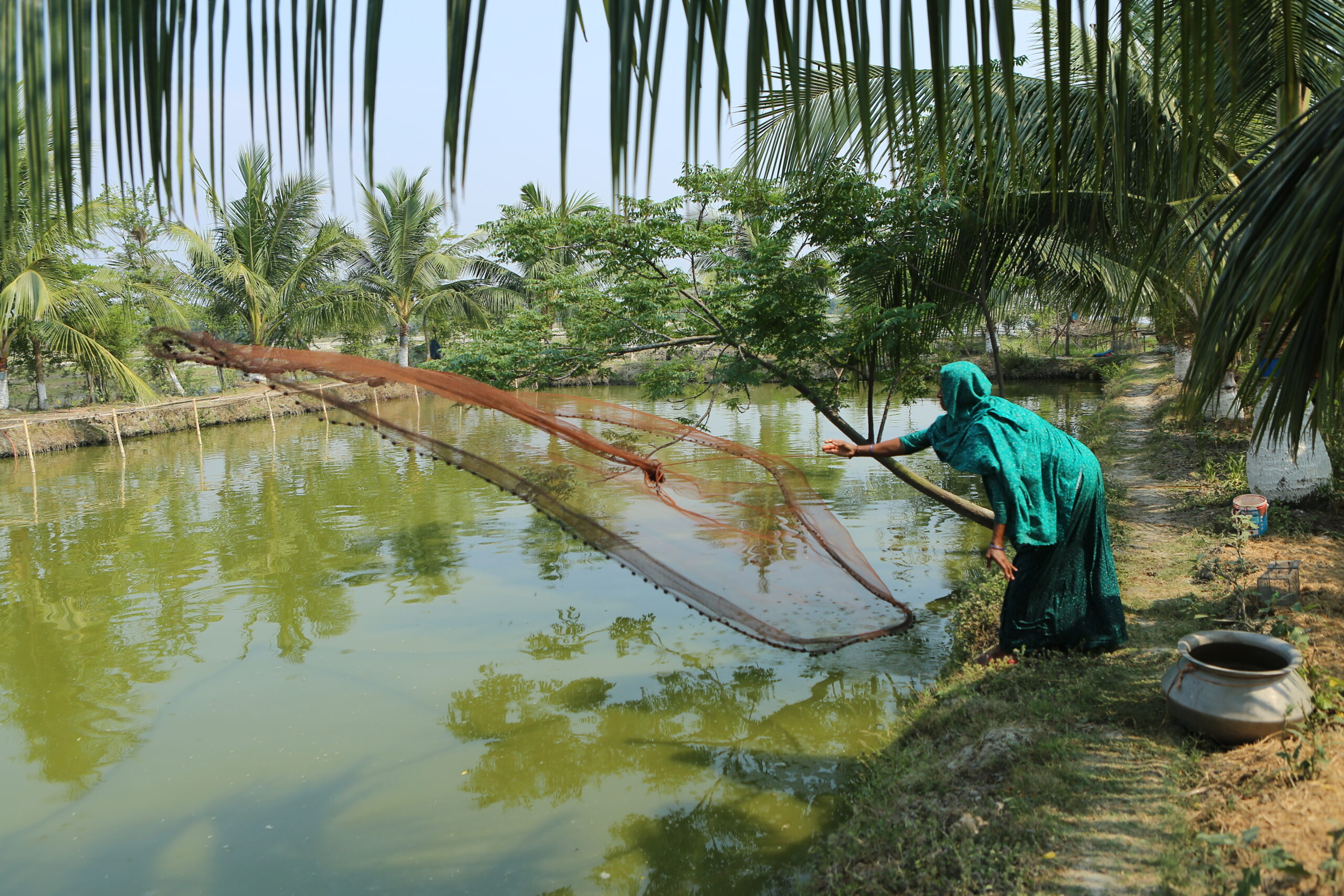
Floods, cyclones, tidal flooding, river erosion and saltwater intrusion are threatening homes and livelihoods across Bangladesh. Although the country has made significant progress in preparing for disasters, many communities still lack timely, localised warnings that explain what the approaching hazard could mean and what action they need to take. Local institutions need more resources to draw on and new tools to be ready to respond and take action, while households may struggle to access financial support to ensure they are better prepared, can take early action, and recover after a disaster.
Through the Strengthening Human-centred Innovations for Early Warning Systems and Disaster Risk Financing (SHIELD) project, Practical Action is working with twenty local government institutions across four districts in Bangladesh. The project takes an anticipatory action approach combining better information about local risks, forecasts powered by artificial intelligence (AI) and machine learning and financial support. The aim is to help people understand the risks they face, take action before disaster strikes and recover more effectively when it does.

April 2026 to March 2029

Feni, Satkhira, Khulna and Faridpur districts, Bangladesh
Climate resilience
SHIELD brings together three interconnected areas of work to help communities prepare for climate hazards and reduce their impacts:
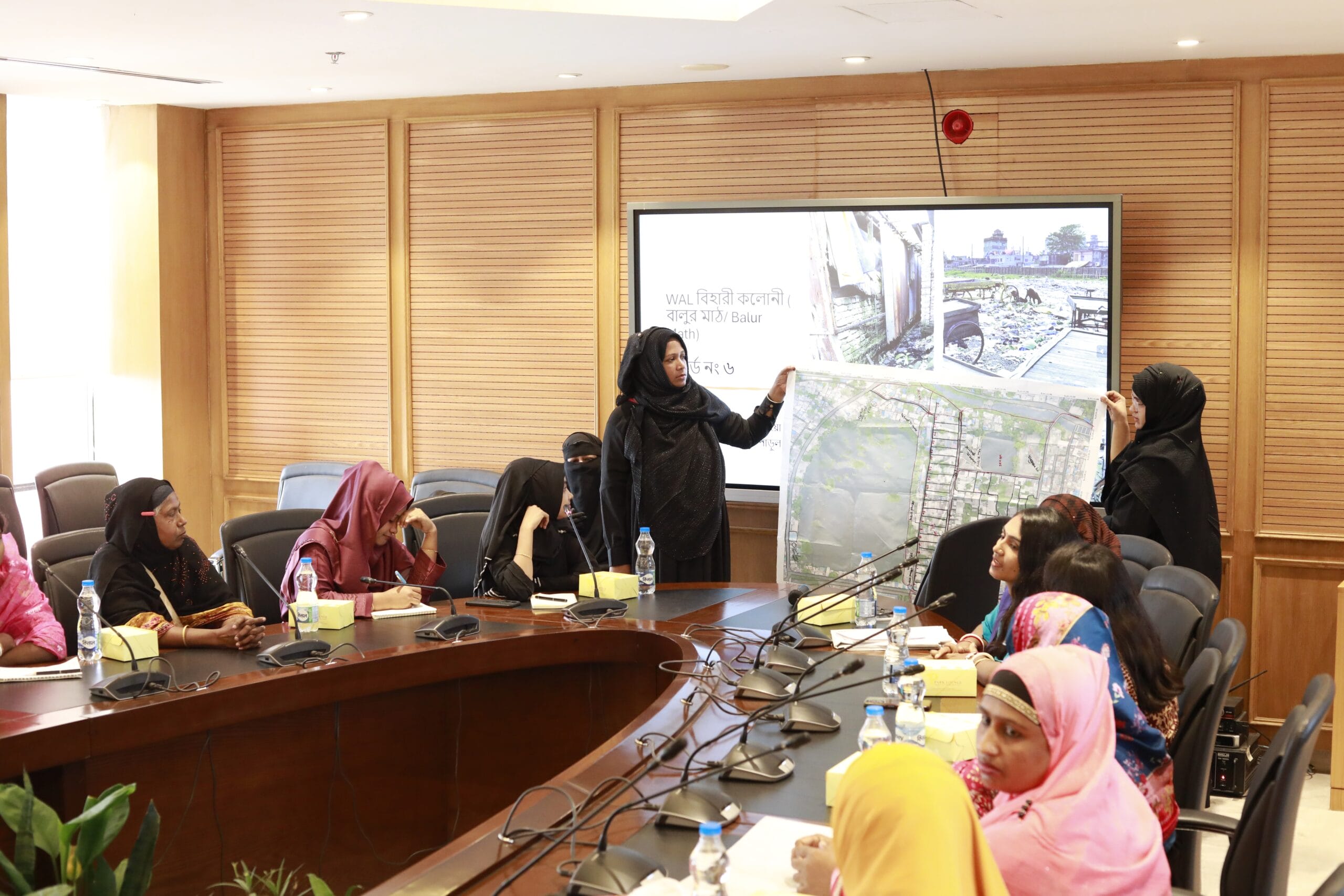
Effective disaster preparedness starts with understanding who and what is most at risk. The project works with communities and local authorities to gather information about local hazards, vulnerabilities and existing strengths, using tools such as the Climate Resilience Measurement for Communities (CRMC) and the Electronic Community Risk Assessment (eCRA) tool.
This information will help identify exposed homes, infrastructure and livelihoods, and show where action is most needed. Through AI and machine learning-enabled forecasting models, we will produce high-resolution risk maps, which will help local authorities develop Risk Reduction Action Plans and prioritise investment in resilience. Through the project, we will also demonstrate measures to reduce flood risks, strengthen local disaster management committees and improve how warnings reach communities. This will help local institutions and communities make better-informed decisions and prepare for future hazards.
Knowing that a flood or cyclone is approaching is important, but people also need to understand what it could mean for their homes, livelihoods and safety.
Working with the Institute of Water and Flood Management (IWFM) at the Bangladesh University of Engineering and Technology, we will improve two forecasting models: the Dynamic Flood Risk Model and the Cyclone Classifier Model. Using AI and machine learning alongside real-time hydrometeorological data, these models will predict likely impacts in specific locations by combining hazard forecasts with previously gathered and processed information on local vulnerabilities.
These forecasts should provide more detailed information about potential flood depths, storm surges and wind damage, helping communities and local authorities understand what may happen and prepare accordingly.
Through the project, we will also develop an automated system to distribute warnings through several channels, including voice messages, a mobile application (Disaster Alert for BD), digital weather displays and trained community volunteers known as Local Resilience Agents. The system aims to disseminate alerts in under 15 minutes, helping people receive relevant information in time to make decisions and take action.
Even when people receive warnings, they may lack the money needed to prepare for a disaster or recover afterwards. SHIELD will address this challenge by establishing a US$192,000 Subnational Disaster Risk Management Fund to support preparedness and post-disaster recovery.
Through this project, we will test innovative financial mechanisms that include parametric insurance, blended finance, contingent credit and cash transfers triggered by forecasts or other agreed conditions. These approaches are intended to make resources available when they are needed, enabling earlier action and supporting recovery after a disaster.
By bringing together data-driven planning, cutting-edge forecasting technology and innovative financing, Practical Action is developing a holistic model for strengthening resilience to climate disasters. The approach combines better early warnings, stronger local governance and financial support for preparedness and recovery to help reduce the human and financial costs of disasters. It aims to help communities better prepare for climate risks, respond to their impacts and build resilience over the long term.
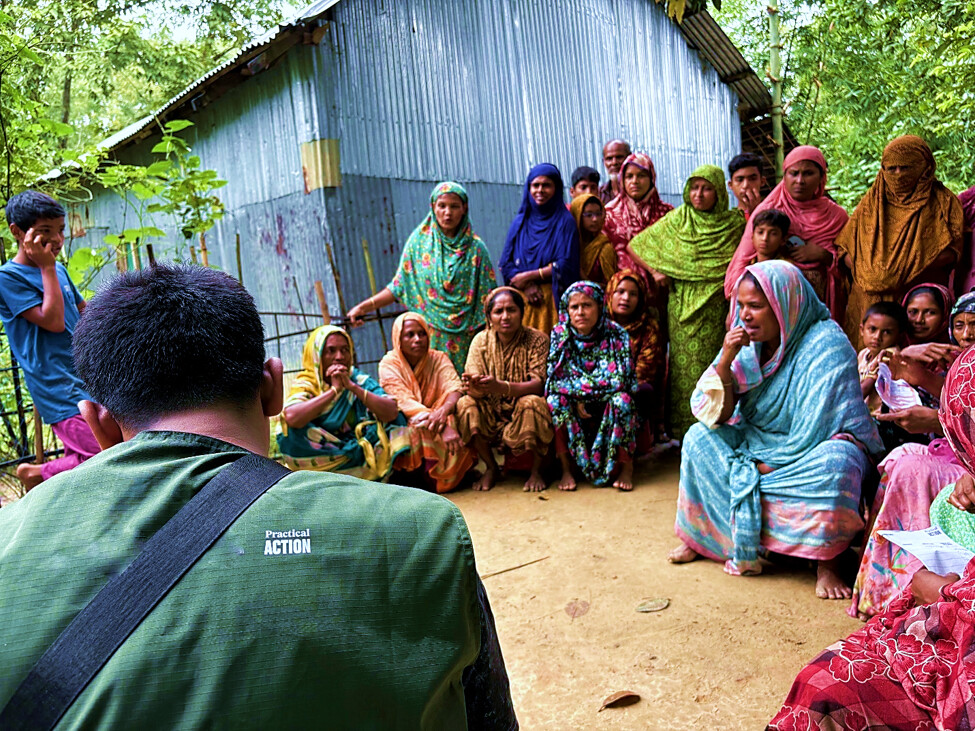
Help us work with communities to tackle some of the world’s toughest problems.