The effects of heat extend beyond temperature
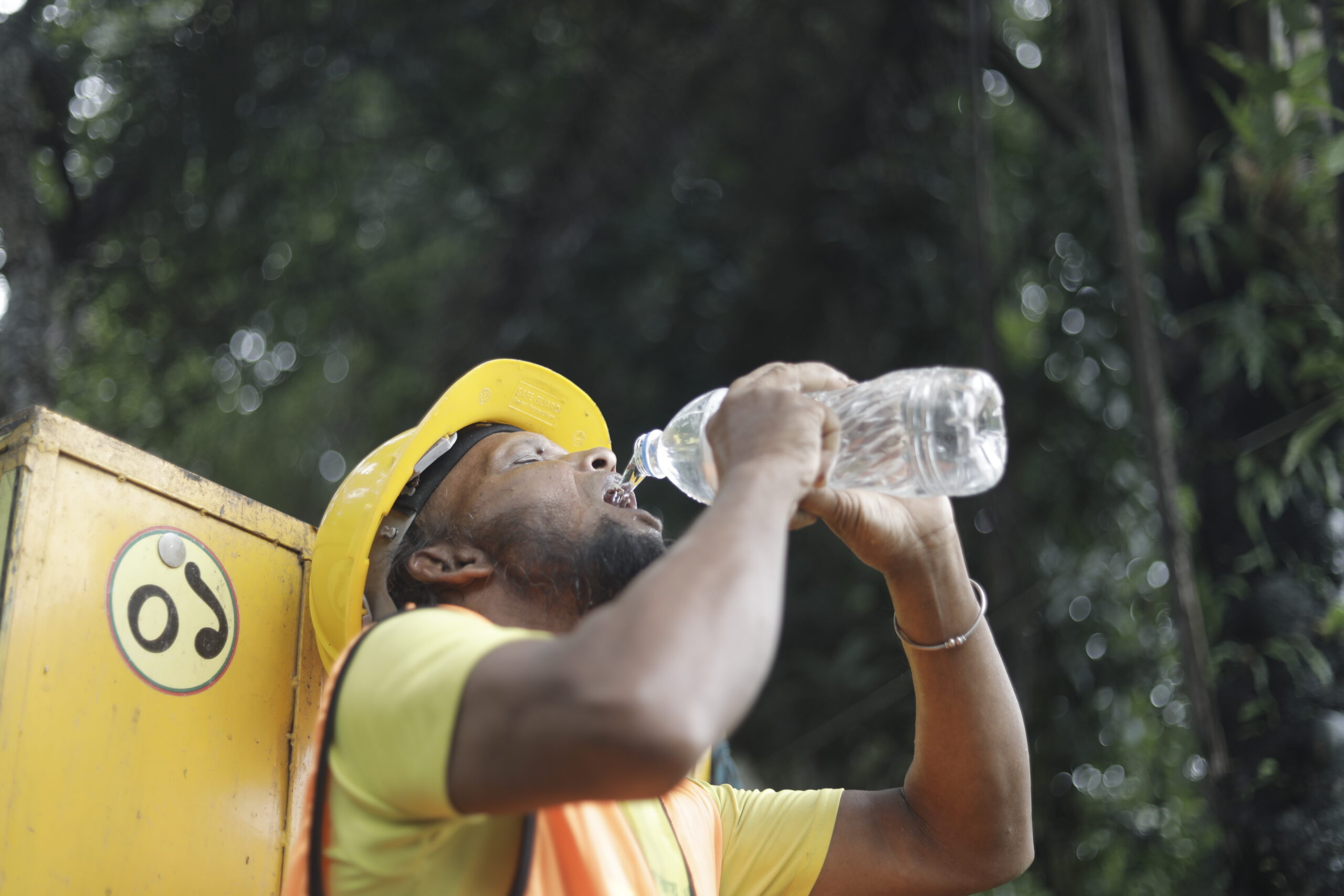
For some, the heat threatened their ability to earn a living. Salam, a 70-year-old water seller in Khulna, explained how the conditions affected his business:
“Because of the heat, people cannot come out onto the roads. If they don’t come out, who will I sell water to? My business depends on the availability of people working outside, but the sun is now making us sick.”
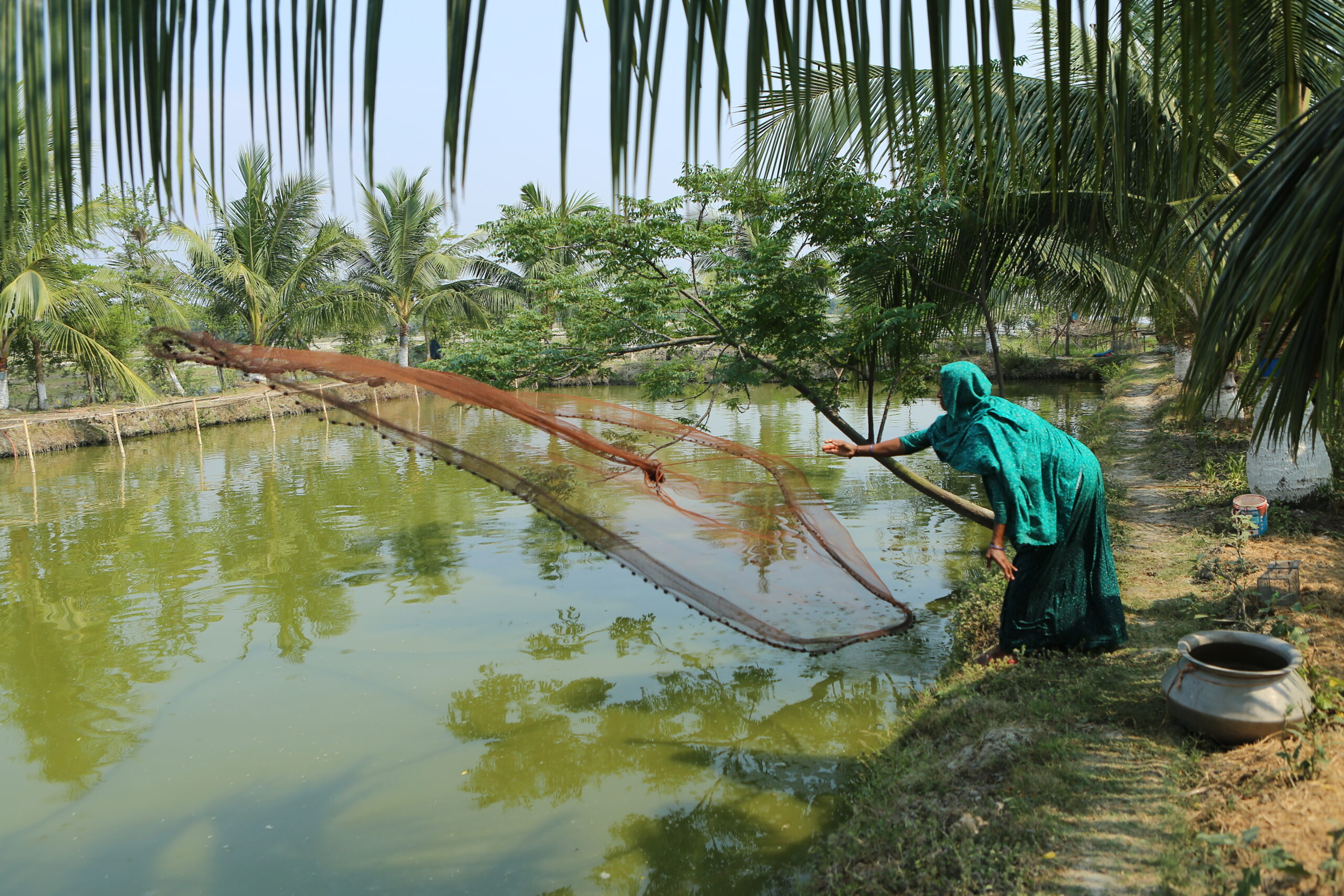
For rural households, the consequences extended to their livelihoods. Rice, fruit, fish, livestock and vegetable farming are important parts of Khulna’s agricultural economy. The study found that prolonged heat reduced harvests and caused livestock, fish and shrimp mortality, hitting farmers’ income hard. For Bacchu, a rural smallholder farmer with a physical disability, the heat also made it difficult to work and earn a living.
“Even if I try my best to work, the heat makes everything worse. My feet burn and crack, and walking becomes so painful that I cannot work at all. The sun makes my body weak, and there is limited ways to stay cool in my home.”
The effects of extreme heat extended beyond water supplies and healthcare. In schools, limited shade, inadequate drinking water and a lack of preparation for heat-related illness made it harder to protect pupils. Farmers faced crop losses and rising irrigation costs, while outdoor workers and street vendors struggled to earn a living when temperatures were at their highest. Yet Khulna lacked a dedicated heat action plan, public cooling centres and clear procedures for responding to extreme heat. These gaps highlight the need to build heat preparedness into local planning and essential services before the next heatwave.
Preparedness must be coordinated
The study found that responsibility for managing extreme heat was spread across different institutions, with limited coordination between them. Heat risks were not adequately integrated into local planning, while gaps in early warning systems meant that forecasts and alerts did not always reach communities in a form they could act on. Better coordination among local governments, meteorological services, health authorities, water and agriculture department is needed to ensure that communities receive timely warnings, relevant advisories, and necessary support during heatwaves.
For Khulna, our Post Event Review Capability (PERC) study and accompanying policy brief identify five priorities:
- Make heat warnings more useful. Ensure warnings reach communities in time and provide clear, practical advice. The report found that many vulnerable people received little or no official warning before temperatures became dangerous.
- Develop a heat action plan for Khulna City Corporation. Set out who is responsible for preparing for and responding to extreme heat, and how local institutions will coordinate their efforts.
- Make urban areas cooler. Invest in more trees and green spaces, restore ponds and canals, and improve public infrastructure to reduce exposure to extreme heat.
- Prepare health services and improve access to safe water. Strengthen healthcare facilities’ ability to manage heat-related illnesses and improve the reliability of water supplies during heatwaves.
- Include those most at risk in heat planning. Ensure the needs of poorer households, older people, people with disabilities, informal workers and other marginalised groups are considered in local plans and responses.