
Now picture the same heat with no warning at all. For much of the world, that is the reality
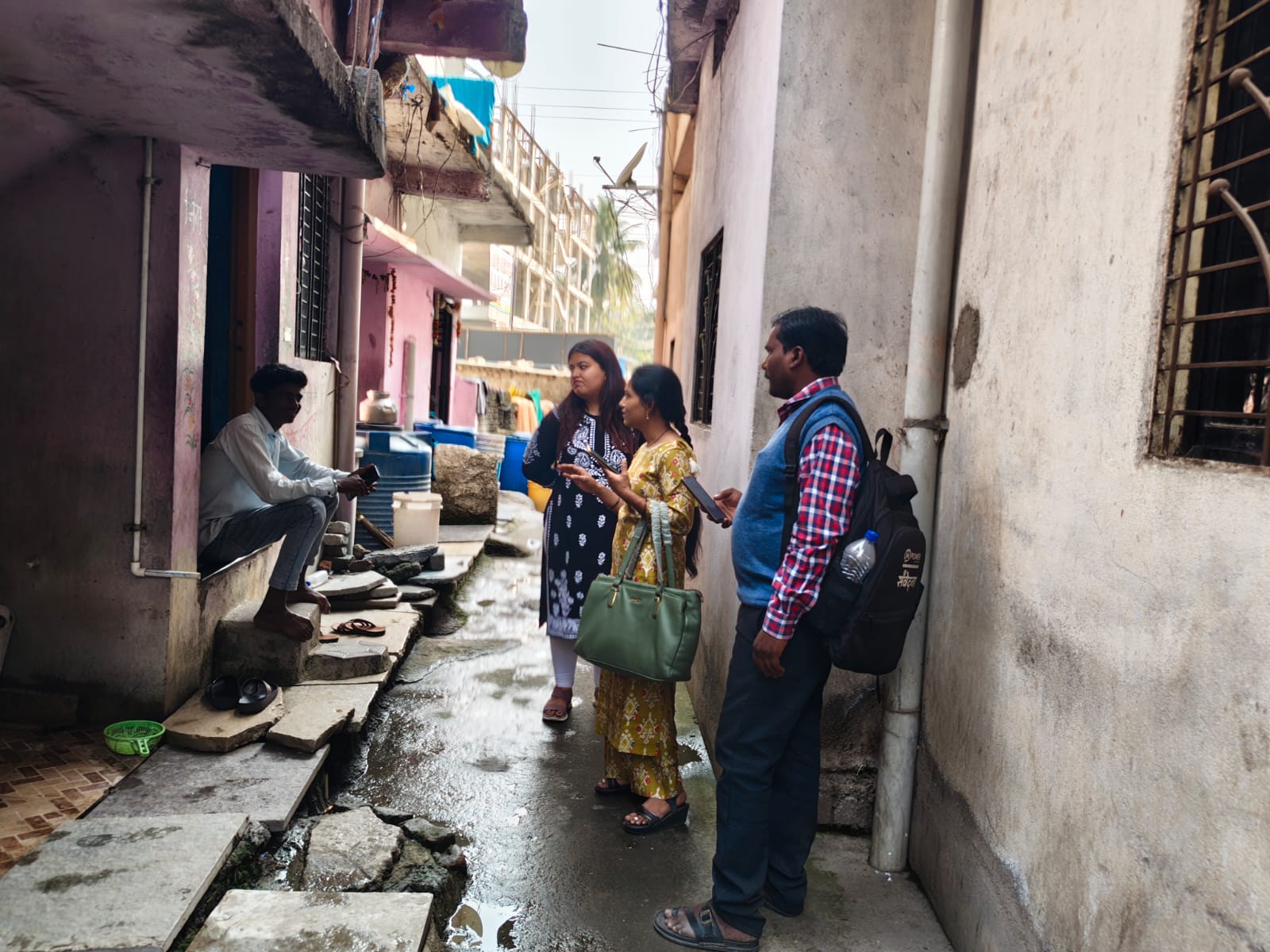
Practical Action is launching a new initiative which will map hidden urban hot-spots and create a citizen weather network to help people cope with extreme heat.
Known as “Living in a Hotter World”, the programme will use a mixture of satellite data, AI and machine learning, combined with low-cost sensors mounted on taxis and rickshaws to improve monitoring and forecasting.
It has been developed with the Zurich Climate Resilience Alliance and will work with communities and local authorities in three fast-warming cities – Khulna in Bangladesh, Eastern Lima in Peru, and Kaolack in Senegal to create community-responsive heat early warning systems where none yet exist.
Launched this July, with support from the L’Oréal Climate Emergency Fund, the initiative will work with technology partner Meteory.
The new work begins as much of England and Wales braces for a fourth heat wave amid significant fire risk, with temperatures expected to climb up to of 35°C. A concurrent Heat-Health Alert issued by the UK Health Security Agency (UKHSA) further emphasises the risks of heat on health. However, in the cities the programme is set to reach, warnings people receive are very different.
Practical Action’s climate expert Valentina Stivanello said:
“In affected areas in England, a warning will likely reach you: on your phone, the radio, the news. You’ve been told what’s coming, who is most at risk, and what to do about it.
“Warnings you receive are not an accident. They are the product of two heat early warning systems, coordinated by the Met Office and UKHSA, that help public services, communities and individuals prepare for extreme heat.”
Now picture the same heat with no warning at all. For much of the world, that is the reality
“Heat strikes twice. It is not only a health emergency. When the temperature climbs, the rickshaw puller, the street vendor, the builder, the factory worker, the tailor and the market trader can no longer safely work. Extreme heat takes lives and livelihoods at the same time, and it hits hardest those who did least to cause the climate crisis and have the fewest resources to cope.”
“Heat is one of the deadliest yet most overlooked hazards we face; it contributes to hundreds of thousands of deaths each year, yet because it is often invisible, it remains chronically under-prepared for.”
A new global evidence report, Understanding the Global Landscape of Heat Early Warning Systems, published by the Zurich Climate Resilience Alliance with the International Federation of Red Cross (IFRC) and the Red Cross Red Crescent Climate Centre, and co-authored by Practical Action, finds that roughly half of all countries still have no heat early warning system.
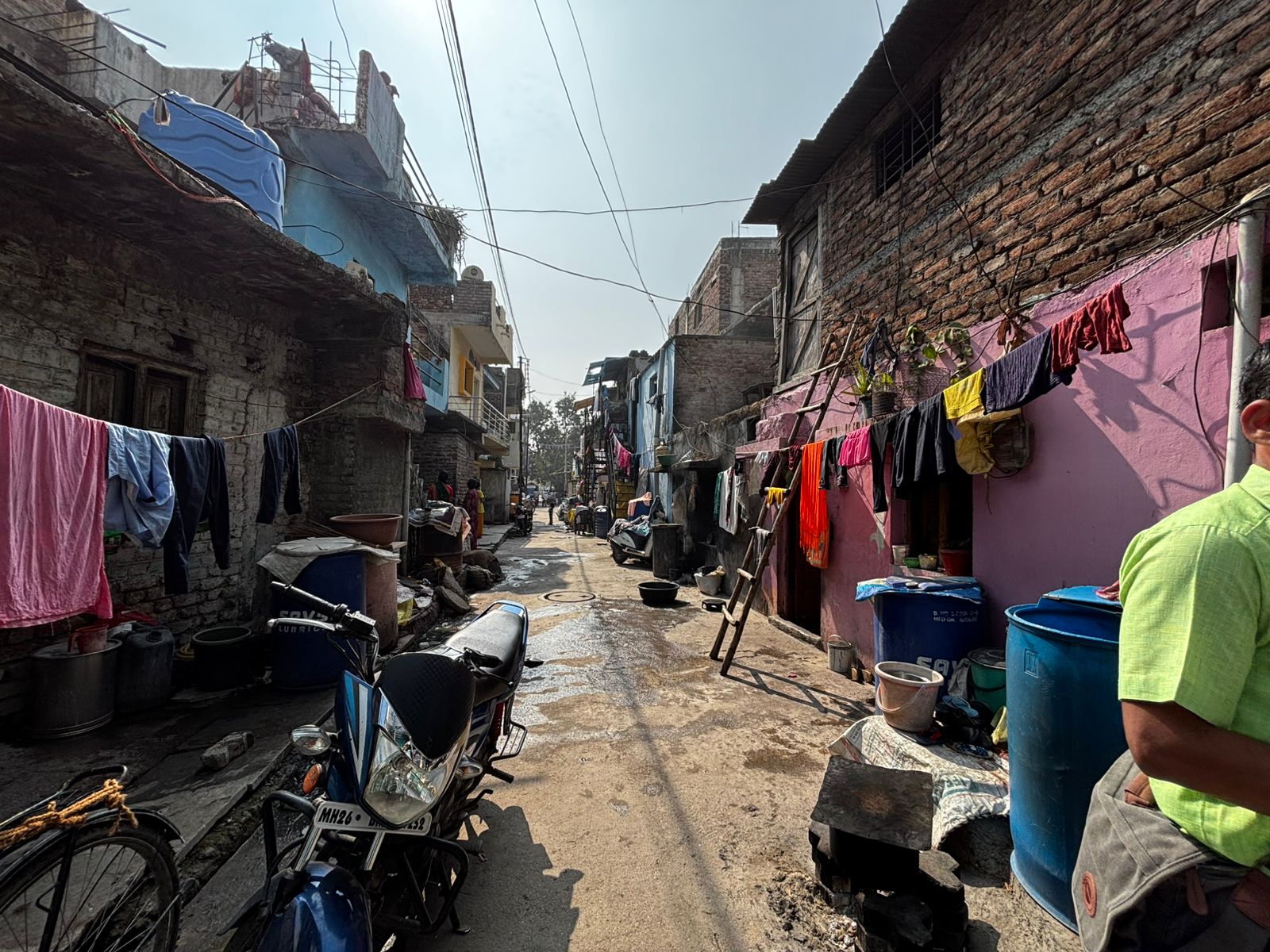
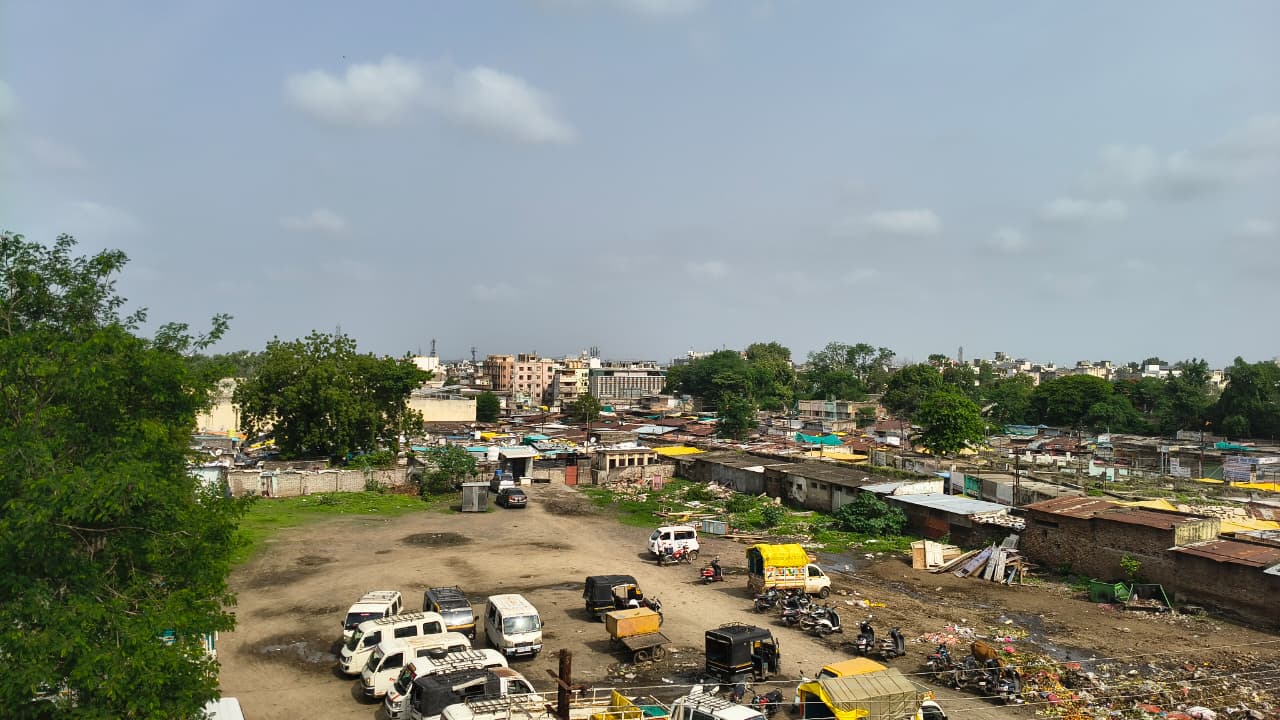
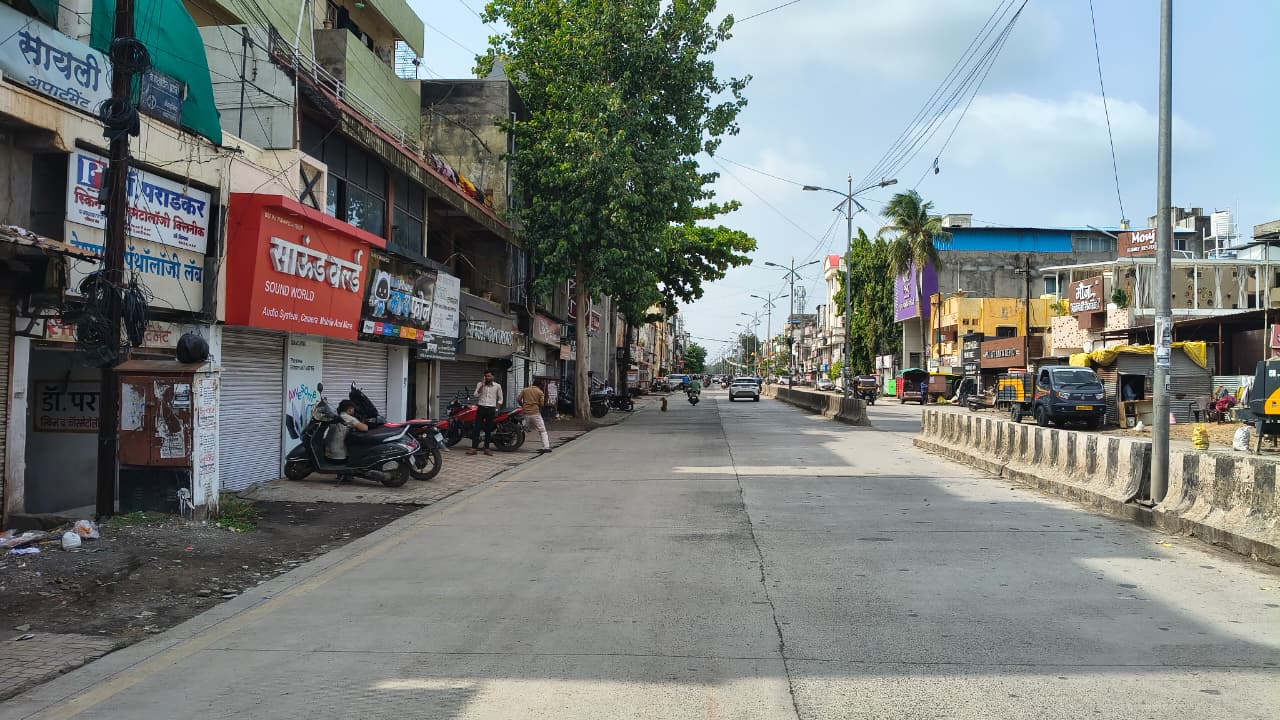
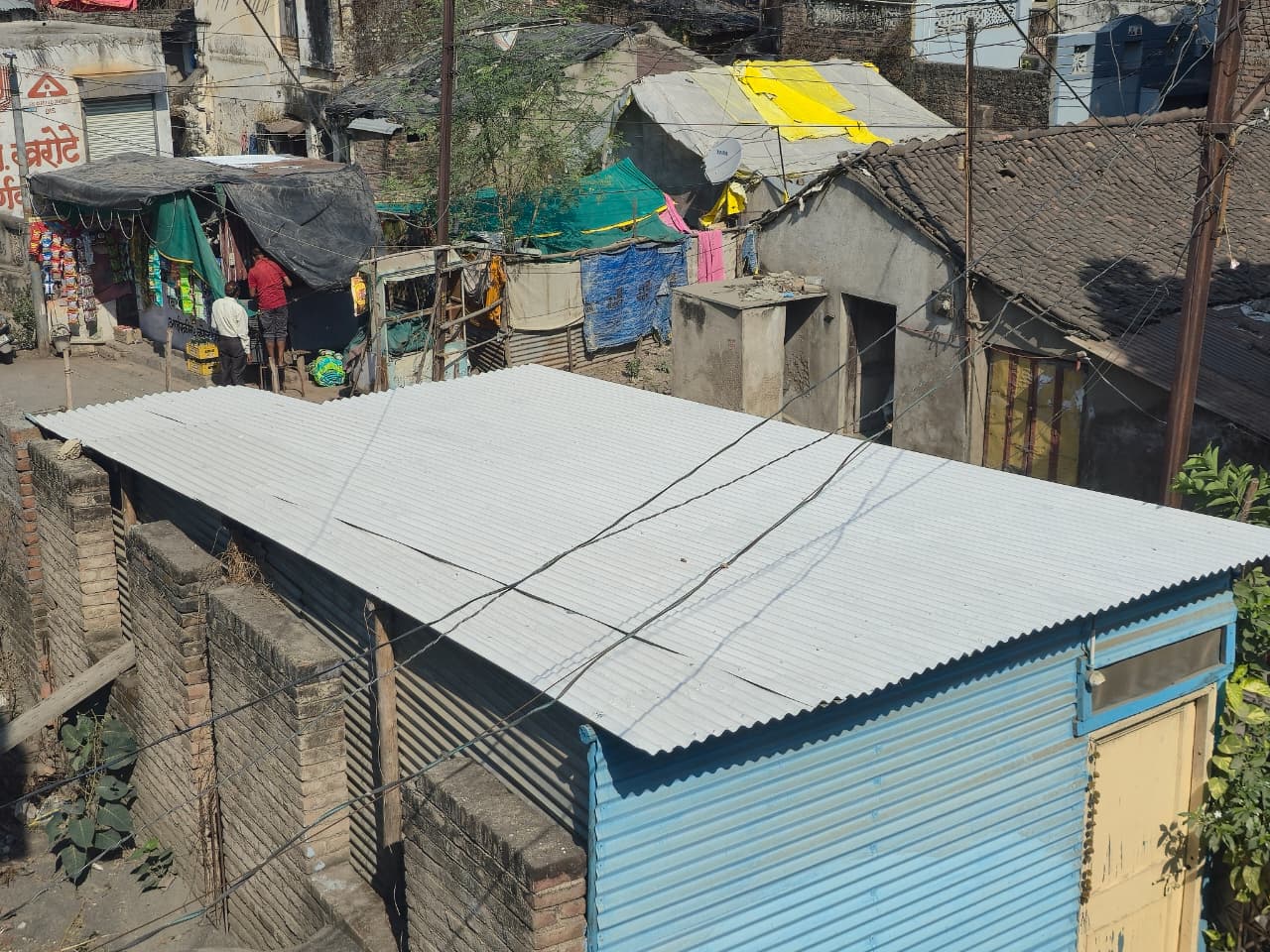
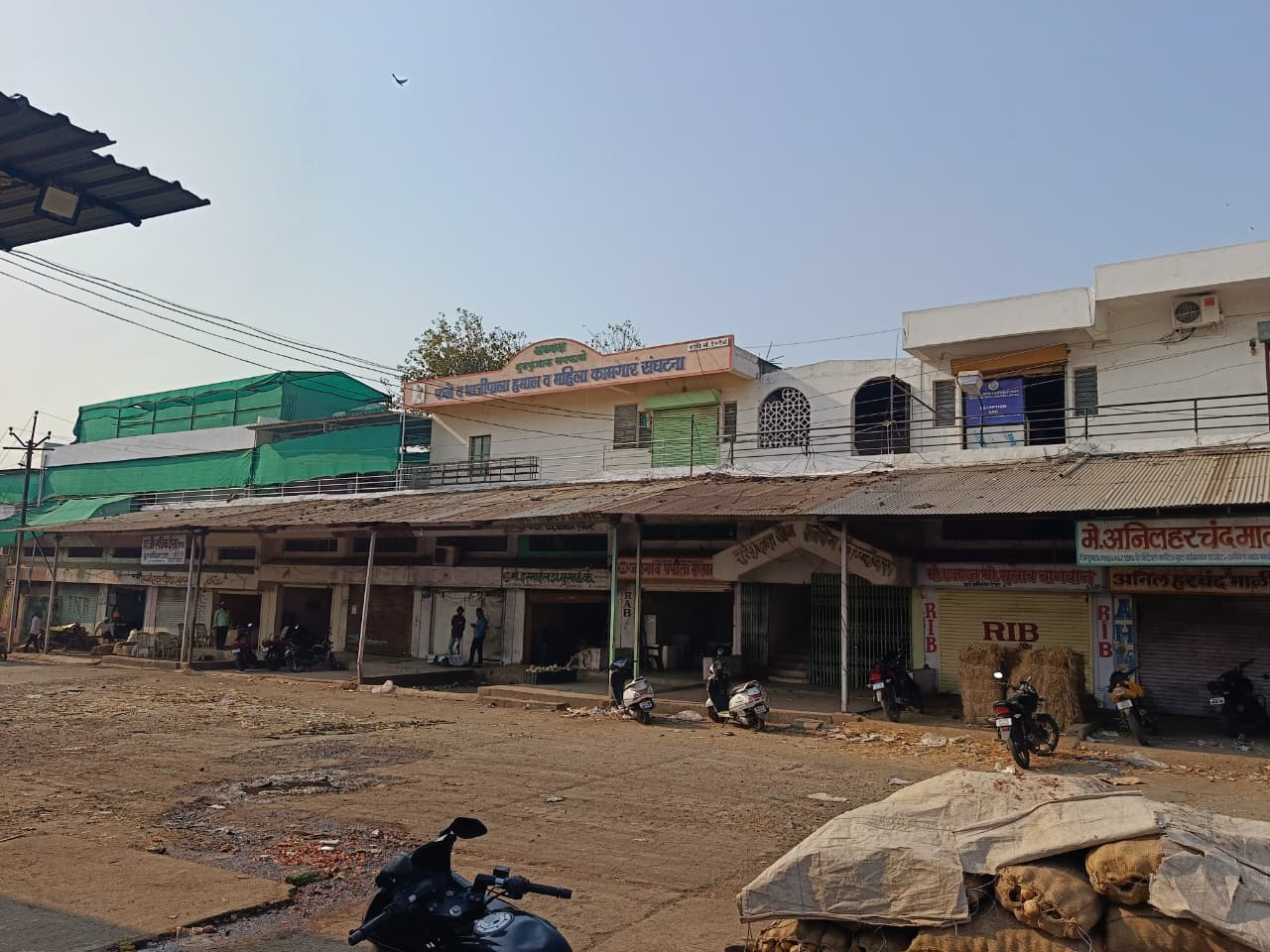
Who suffers most in a heatwave is not decided by temperature alone. Gender and social inequalities shape who is exposed, who is able to act, and who is ultimately protected. Older people, young children, people with disabilities and outdoor workers face the most severe risks.
Valentina said: “Women often carry greater caregiving burdens and more indoor heat exposure, and pregnant and breastfeeding women face specific dangers, yet the evidence shows that heat action plans routinely name these groups without ever translating that into real, targeted support.
“That is why gender equality and social inclusion sit at the very heart of our approach. Through our Missing Voices methodology, we make sure the people most at risk design the warning system itself, defining what a warning should say, how it should reach them, and what action it should trigger, so that the system works first for those most likely to be left behind.”
Closing that gap is a global commitment. The UN’s Early Warnings for All initiative (EW4All), launched by the Secretary-General at COP27, calls for every person on Earth to be protected by an early warning system by the end of 2027. With just 17 months until that deadline, the goal is still a long way off. Despite progress, global coverage remains uneven, and many countries still lack effective heat early warning systems.
The project also contributes to the wider ambition of the Risk-informed Early Action Partnership (REAP) to ensure that more people are protected through effective early warning and early action.
“Living in a Hotter World” is designed to help close that gap, building on the flood early warning work already trusted in these cities, because extreme heat is closely connected to extreme rain.
Valentina added: “The point of this work is simple; the alerts that have reached people in the UK this year are precisely what every community at risk from extreme heat deserves: a warning that arrives in time, in plain language, linked to real action and designed to reach everyone.
“Strengthening these systems is one of the most immediate and affordable ways to protect people in a warming world: the World Health Organization and World Meteorological Organization estimate that scaling up heat-health warning systems could save nearly 100,000 lives a year.
“The heat building over Britain this week will break in time. For a growing number of cities, it won’t. As this summer’s records fall, the real question is no longer whether extreme heat is coming but who gets a warning, and who doesn’t. We are working to make sure the answer is everyone.”