Kenya: Revitalising agriculture
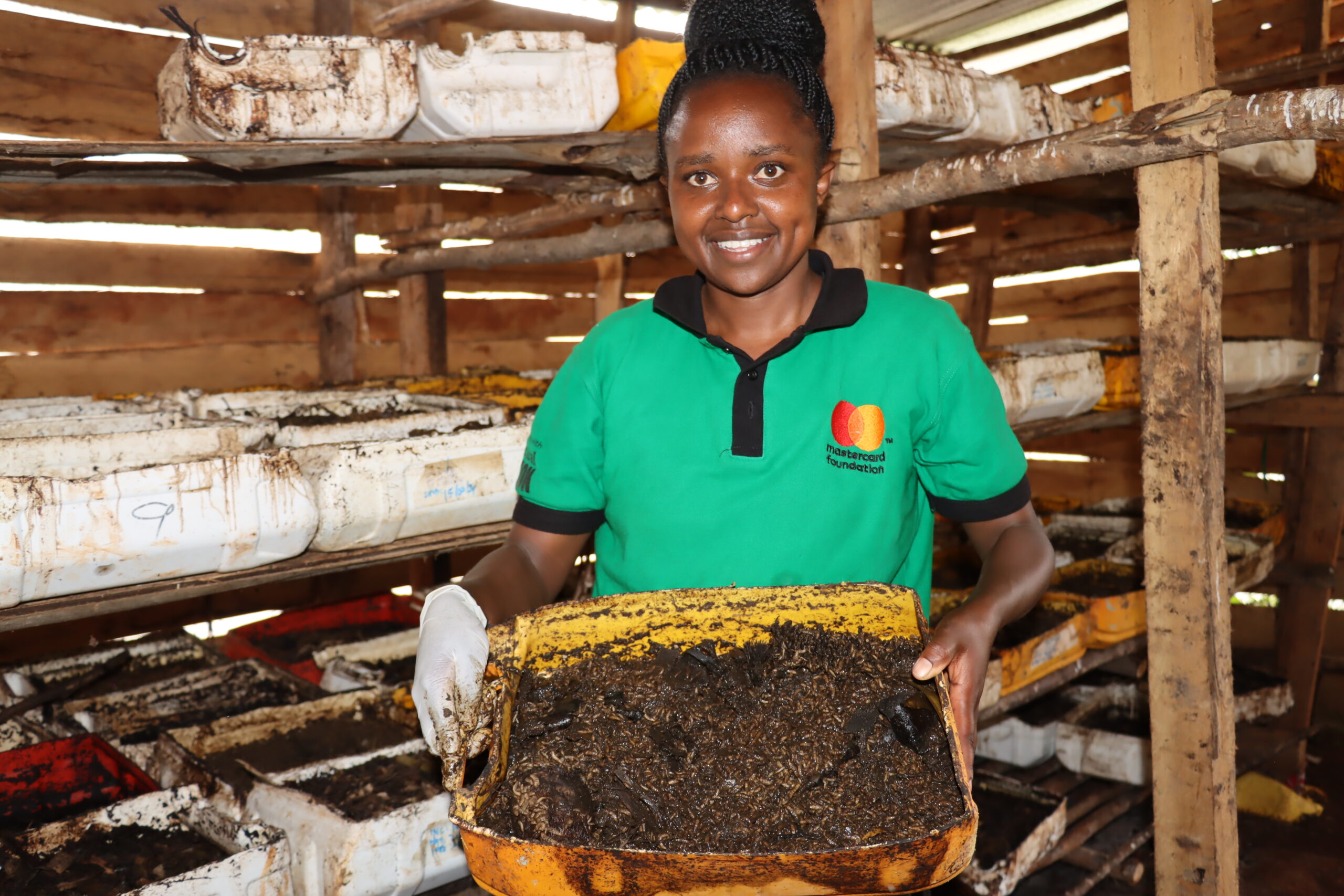
In Kenya a few years ago, Anastanciah Nyangaresi saw farming as a means of survival rather than a viable business. Her costs were considerable on her family’s half-acre plot. She was reliant on chemical pesticides and conventional farming methods to grow cabbages. Despite using the fertiliser created by the Black Soldier flies she farmed, her monthly income was capped at KES 10,000 (approximately 60 pounds). She also had no way of selling her produce beyond her local village.
In December 2023, she joined the Resilient Agriculture for Young People (RAY) project, and her transformation began. Through training in regenerative agriculture, business development, and financial literacy, Anastanciah transformed her farm.
“RAY has not just changed my life—it has given me a platform to empower others and build a better future for us all (…) Farming was just a way to feed my family. I never imagined it could transform into a business that could empower me and others in my community,” she reflects.
Adopting regenerative techniques, she went from a chemical-based to a sustainable organic approach to farming. Anastanciah mastered Azolla farming (a high-protein aquatic plant that can be used as animal feed), composting and creating organic pesticides using the tithonia plant, peppers, and aloe vera. These innovations cut her production costs and boosted her yields.
“Switching to organic methods has been a game-changer. I spend less and grow more. What’s more, my farm is now a model for sustainable practices in my community,” she said proudly.
Her efforts inspired the local community to support her Black Soldier fly farming. Neighbours and fellow farmers within the project began collecting and delivering waste materials, ensuring a steady supply of the larvae.
With her improved skills, Anastanciah diversified her farming ventures. She expanded her crops to include organic tomatoes and spring onions, practising crop rotation to maintain soil health. Links to new markets facilitated through the project enabled her to secure supply contracts with local schools and institutions. This diversification tripled her monthly earnings.
Anastanciah didn’t stop there—she expanded her agribusiness into poultry farming. Her poultry business now generates an additional KES 10,000 per month, and she also earns KES 1,000 per kilogram by selling Azolla cultures to other young, local farmers.
“Diversification has given me stability and opened opportunities I never thought possible. It’s not just about what I can do—it’s about how I can help others succeed too,” she shares.
Acknowledging her expertise and dedication, Anastanciah was recently selected as a mentor for the RAY project. She now advises eight young farmers (five women and three men) on adopting sustainable agricultural practices, enhancing their business skills, accessing broader markets, and promoting mainstream gender equality.
But her impact extends far beyond her immediate community, becoming a passionate advocate for empowering women and young people in agriculture, representing young farming entrepreneurs at a county-level stakeholders’ meeting in Nyamira in October 2024.
The path forward
The stories of Amrita, Anastanciah, Roxana, and countless other women around the world remind us of the transformative power of empowerment and opportunity. But to accelerate progress, systemic change is essential.
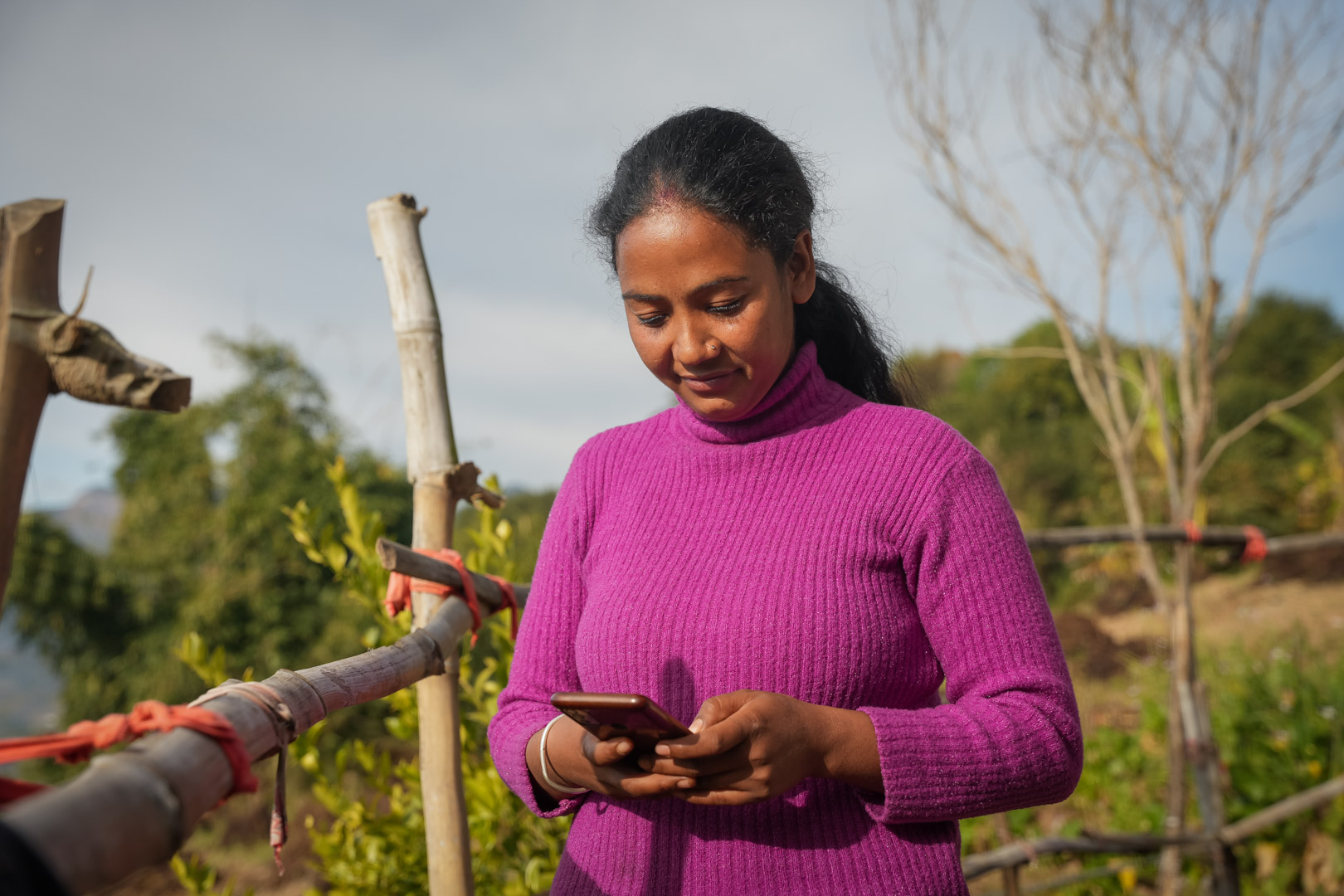
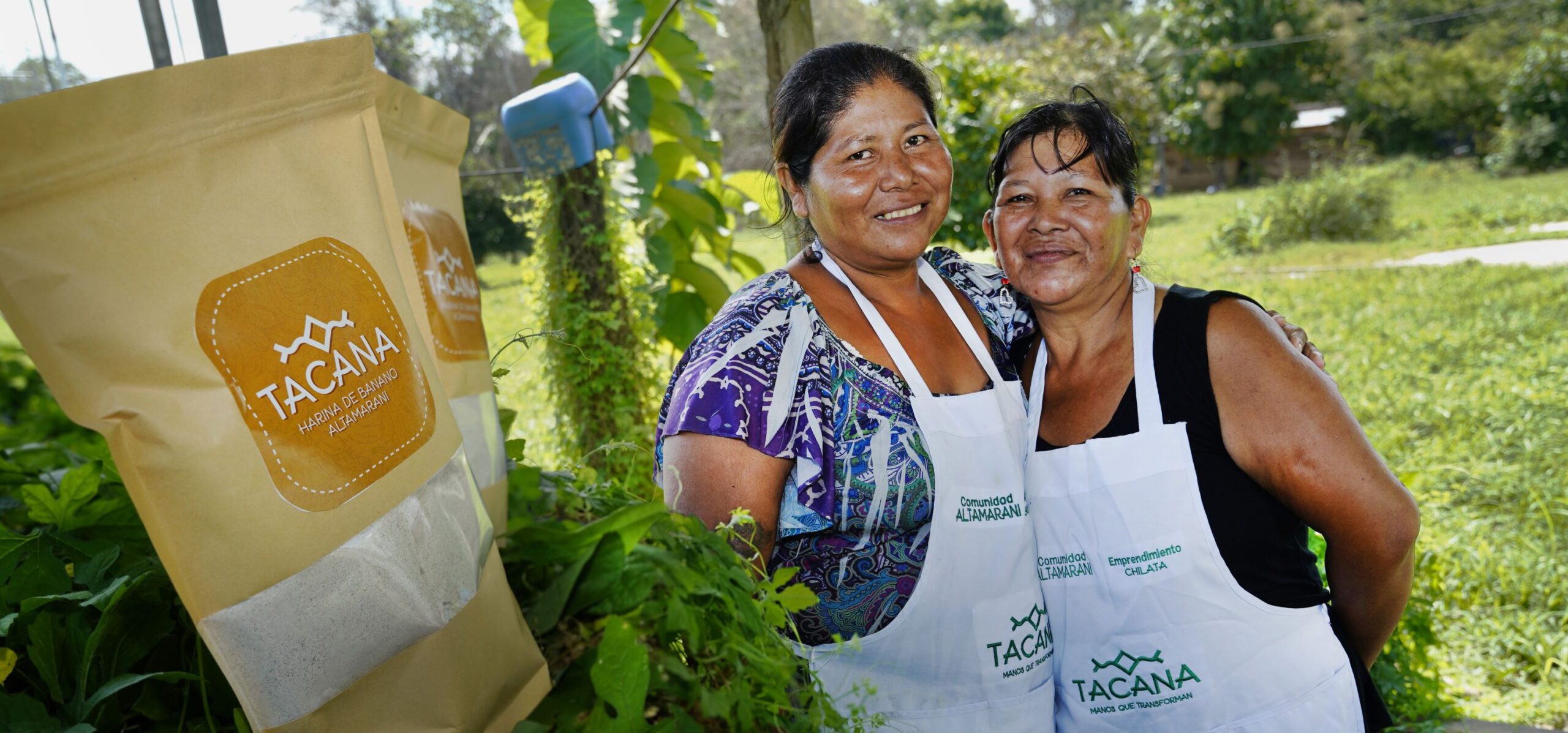
Investing in programmes like Nepal’s digital literacy classes equips women with the skills to thrive in a modern economy. Ensuring women have access to land, credit, and markets is critical for economic independence. Supporting initiatives like the Tacana Women’s Route shows how women-led businesses can drive environmental and financial sustainability. And this is just the beginning—much more must be done.
This International Women’s Day, let’s commit to taking concrete actions. Support organisations that champion women’s rights, advocate for policies that promote equality, and share these stories to inspire others.
Together, we can create a world free of bias, stereotypes, and discrimination—a diverse, equitable, and inclusive world where difference is valued and celebrated.
Let’s #AccelerateAction for gender equality, not just for today, but for generations to come.