Bridging Science and Practice

for Resilience

Science for Humanitarian Emergencies and Resilience (SHEAR) was an innovative, multi-partner research programme carried out in some of the world’s most hazard-prone places.

It has helped forge a better understanding of disasters, in order to predict them and minimise the risk they pose to vulnerable communities.

Natural hazards like floods, storms and landslides are impacting millions of people around the world every year and thousands of lives are lost. Responding to disasters, and helping people to rebuild their lives afterwards, costs billions of pounds.

With the climate changing more and more people will be vulnerable to natural hazards. For those living in places hazard-prone places with low economic development, the risks are higher.

In order to build greater resilience to disasters, we need to better understand and predict hazards so that affected communities can be prepared for them and respond when they take place. Thanks to scientists around the world, knowledge and tools that can help are being developed, but more research is needed.

There is also a risk that the gaps between science and practice on the ground result in learning not being shared directly with those who need it or being shared in ways that are inaccessible and hard to put into action. Information needs to reach decision makers in local and national government, civil society, community organisations and, of course, the individuals at risk.

An orange calendar icon with a black outline featuring a square marking a day.
Dates

2016 – 2022

A globe with a circle.
Regions

Asia, Africa

An orange seedling icon
Themes

Food systems, climate resilience

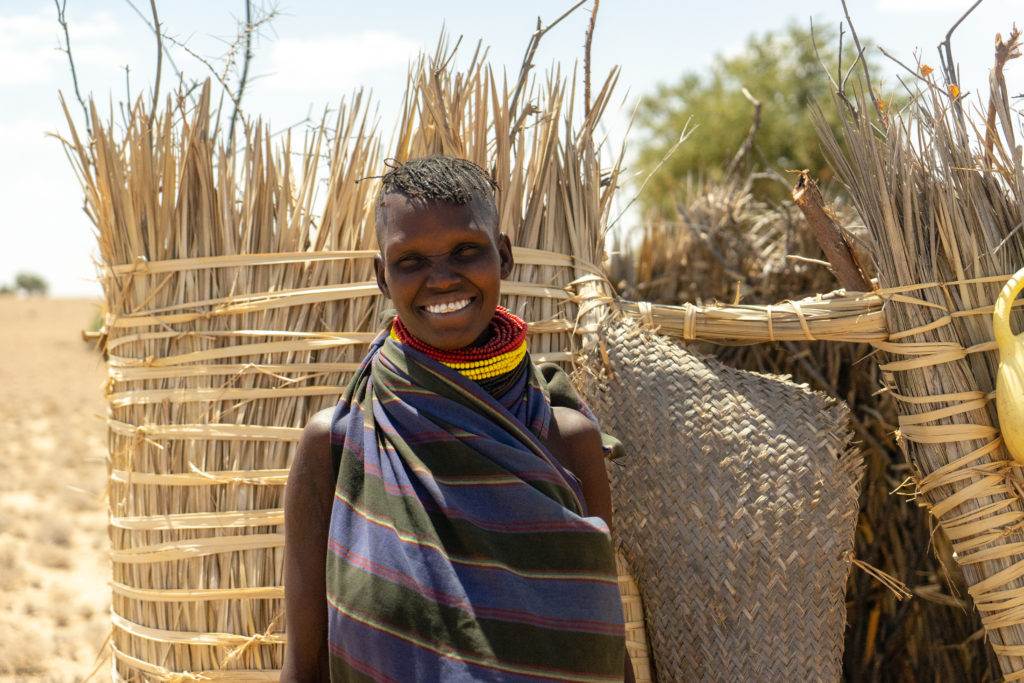
A young woman bridging science and practice for resilience while standing in front of a straw hut.

Project Overview

Full title: Science for Humanitarian Emergencies and Resilience (SHEAR)

Dates: 2016- 2022

Location: Research was conducted in some of the world’s most at risk places and shared globally.

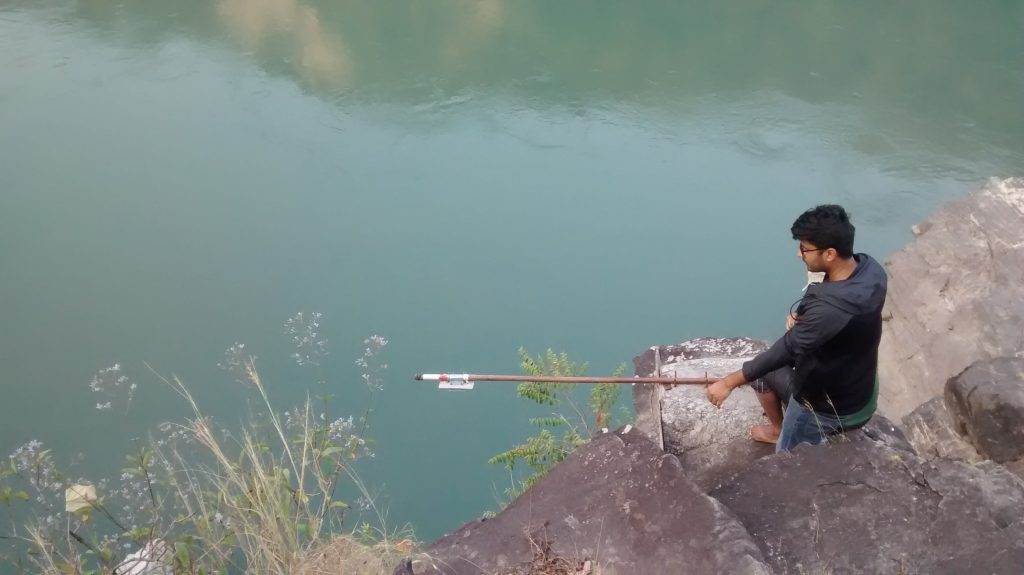
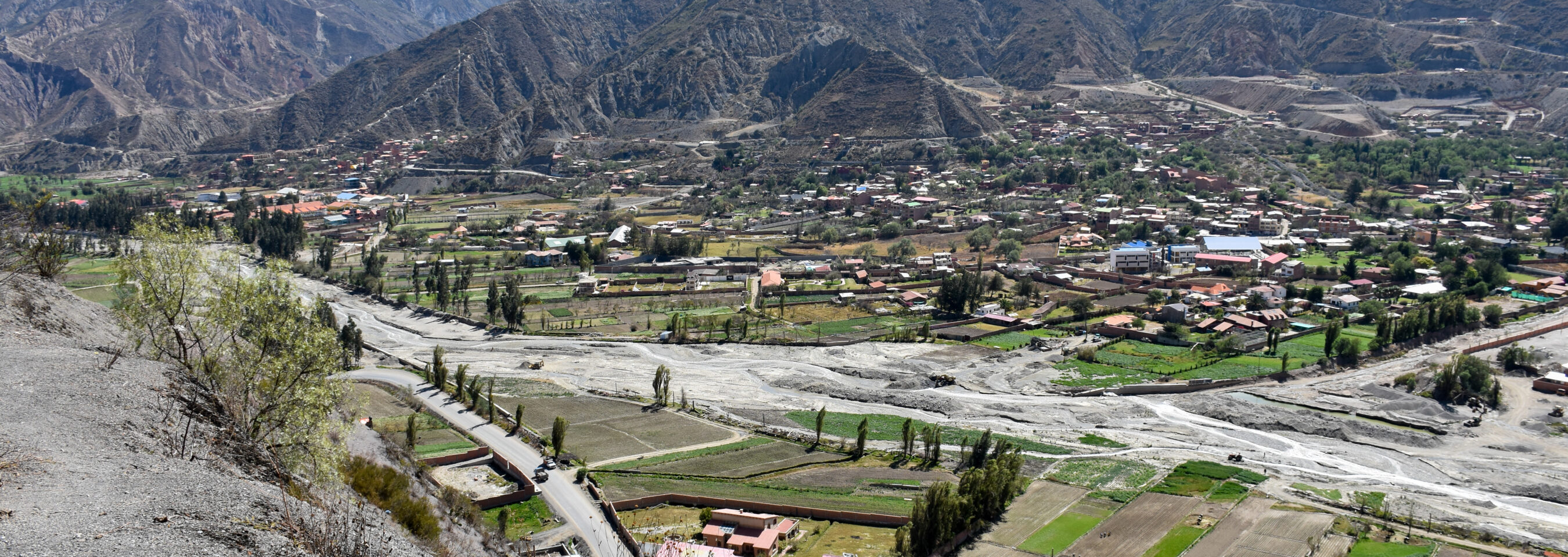
Our role: Practical Action was a research partner in the LANDSLIP and Landslide EVO projects, which both aimed to develop early warning systems for landslides in India and Nepal respectively. Together with the Red Cross Red Crescent Climate Centre, we were also the knowledge brokers for the whole programme, facilitating knowledge exchanges and collating and disseminating lessons learned across a wide range of research projects.

Participants: The SHEAR programme was made up of over 100 research projects delivered by researchers, scientists and practitioners from almost 70 different universities or institutions.

Project Budget: Practical Action received £312,000 to deliver our role as Knowledge Brokers across the SHEAR programme.

Theme: Climate resilience

Funded By: Natural Environment Research Council (NERC) and the Foreign, Commonwealth and Development Office (FCDO)


A blue icon with a thermometer around it.
35%

the amount that climate and weather related disasters have increased by since the 1990s

A group of people with blue faces on a green background.
193.4 million

people were affected by natural hazards each year between 2001-2020

Our approach

The ability to understand and predict naturally occurring disasters is key to reducing risk. SHEAR partners have carried out innovative research in hazard-prone places around the world so that people at risk can become more resilient.

Practical Action together with the Red Cross Red Crescent Climate Centre played a vital role in this large, multidisciplinary, global programme. We ensured that new knowledge was well-managed, synthesized and translated into accessible and actionable language and formats. This was then shared with practitioners and decision makers who can use it to build a more resilient future for people at risk of natural hazards.

This important role as knowledge broker means that the reach and impact of SHEAR can continue to grow and be sustained long after the programme itself has ended. Much of SHEAR’s knowledge can be found in the Practical Action Knowledge Centre.

Our goals

Through cutting-edge research SHEAR partners aimed to enhance the quality, availability and use of risk information and early warning systems. For more information, use the links below.

  • Improved data
    With improved quality, availability and accessibility of hazard-related data, disaster impacts can be better defined and anticipated.
  • Improved forecasting
    SHEAR projects have worked to advance the quality of forecast information to support preparedness, by increasing the confidence, credibility and usability of forecasting science.
  • Improved tools
    To translate science into action, information needs to be gathered, processed and communicated in an effective and accessible way. SHEAR projects have developed a wide range of suitable tools and strengthened people’s capacity to use existing tools.
  • Improved decision making
    SHEAR projects have been working to understand decision makers’ needs, and to distil and communicate the information they need to take effective action quickly and efficiently.

Our achievements

Read more examples of the impact of SHEAR’s work.

  • Key project achievements
    • Advanced scientific and applied understanding of hazard risks.

    • Developed forecasting and early warning systems for fast- and slow-onset hazards.

    • Enabled timely early action by decision makers for disaster preparedness, response, and recovery.

  • Country specific achievements

    Kenya:

    • Improved operational drought forecasting systems in partnership with government agencies.
    • Agencies now independently provide drought forecasts to support farmers’ preparedness.

    Mozambique:

    • Delivered real-time flood emergency information during Cyclones Idai and Kenneth (2019).
    • Enabled targeted, life-saving humanitarian interventions in high-risk areas.

    India:

    • Developed a prototype regional landslide early warning system.
    • Contributed to the establishment of a national landslide forecasting centre by the Geological Survey of India.
    • Knowledge from SHEAR is guiding plans to expand early warning systems to other regions by 2030.
  • Sustainable Development Goals

    This project contributes to progress against at least three of the 17 SDGs.

    • Goal 11: Sustainable Cities and Communities
    • Goal 13: Climate Action
    • Goal 17: Partnerships for the Goals

Project funded by:

The uk natural environment research council logo aims to understand landslides and build resilience.
Understand landslides through the shear logo on a white background.
Uk aid logo with the words uk aid from the british people.
The landslip logo: Building resilience through understanding landslides.

Work like this depends on your support

Help us work with communities to tackle some of the world’s toughest problems.

Donate securely