A Stronger Nepal

Clean stoves, healthier homes

An orange calendar icon with a black outline featuring a square marking a day.
Dates

2022-2032

A globe with a circle.
Country

Nepal

A lightning bolt on a grey background, representing the practical action we take.
Themes

Energy

More than 50 percent of households in Nepal still rely on solid biomass fuels such as firewood, agricultural residues, and animal dung for cooking, often using inefficient traditional stoves. This causes high levels of household air pollution, leading to an estimated 22,000 premature deaths annually, particularly among women and children. It also accelerates deforestation, increases greenhouse gas emissions, and places time and financial burdens on rural households, reinforcing poverty and gender inequality.

Although the Government of Nepal has committed to expanding clean cooking solutions by 2030, adoption remains slow in rural and semi-urban areas due to low awareness, affordability barriers, limited decision-making power among women, and weak supply chains.

In response, Practical Action is implementing a market-based approach to accelerate clean cooking adoption in Nepal. The Transforming the Cookstove Market (TTCM) project supports 75,000 households in Lumbini and Sudurpaschim Provinces to adopt less polluting and improved Tier-3 cookstoves. We are doing this by improving access, strengthening supply chains, and supporting distributors and manufacturers to expand their reach in remote communities.

By promoting sustained use of clean cookstoves over time, the project supports improved health, reduced environmental impact, and more resilient livelihoods for rural households.

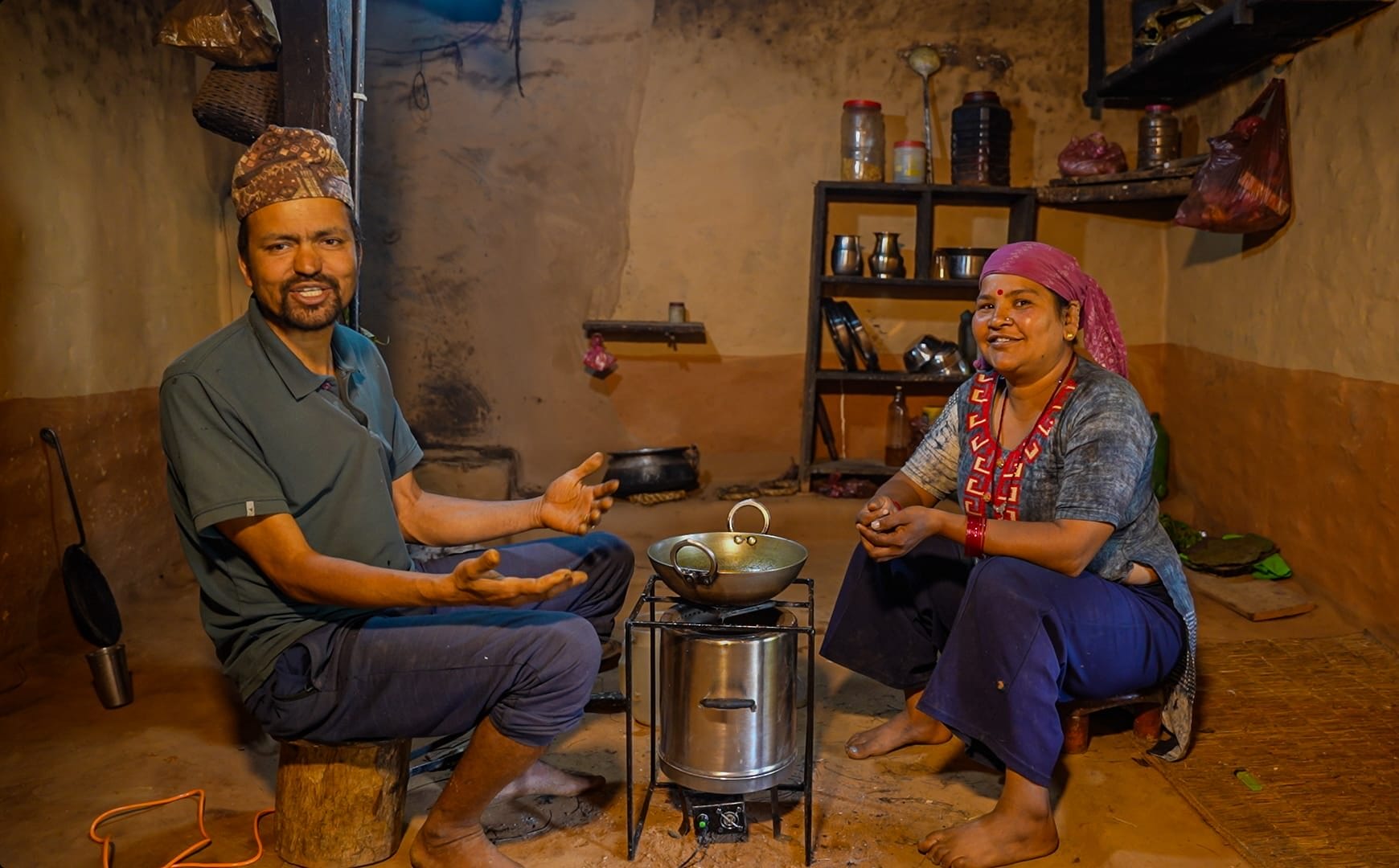
A man and woman sit on the floor of a rustic kitchen, smiling and talking beside a cooker with a cooking pot. The room has clay walls, shelves with kitchen items, and a warm, inviting atmosphere.

Project overview

Full title: Transforming the cookstove market in Nepal (TTCM) project

Dates: July 2022 to March 2032

Location: Nepal (Pyuthan, Rolpa, Rukum, Arghakhanchi, Palpa and Gulmi districts in the Lumbini province, and Achham, Doti, Dadeldhura, Bajura, Baitadi and Kailali districts in the Sudhurpaschim province)

Our role: Practical Action is leading the project, working with partners across the cookstove market to connect households, distributors, manufacturers and other stakeholders.

Participants: 62 Local Governments, 2 Local NGO’s, 10 Last- Mile Distributors and 3 Cookstoves Manufacturing Companies

Project budget: EUR 5.5 million

Local implementing partners: ASTHA Nepal and DECOS

Funded by: Livelihood Funds

Barriers to clean cooking in Nepal

In Nepal, reliance on traditional biomass fuels remains widespread, particularly in rural areas. While these fuels are often locally available, their use in inefficient stoves leads to significant health, environmental, and economic impacts. Indoor air pollution continues to be a major public health issue, and the demand for firewood contributes to deforestation and greenhouse gas emissions.

Access to cleaner cooking technologies remains uneven. Although national policies promote improved cookstoves and electric cooking, many households face barriers to adoption. These include limited awareness of available options, upfront costs, and restricted access to suppliers in remote areas. Women, who are primarily responsible for cooking, often have limited influence over household purchasing decisions, further slowing uptake.

At the same time, gaps in the supply chain limit the availability and reliability of clean cookstoves. Distributors and retailers often lack the capacity to reach last-mile communities, while after-sales services and maintenance systems are not always in place. Addressing these interconnected challenges is essential to enable wider adoption and ensure long-term use of clean cooking technologies.

Making clean cooking possible, one cookstove and household at a time

The TTCM project focuses on increasing access to clean cookstoves and sustaining their use by stimulating both demand and supply.

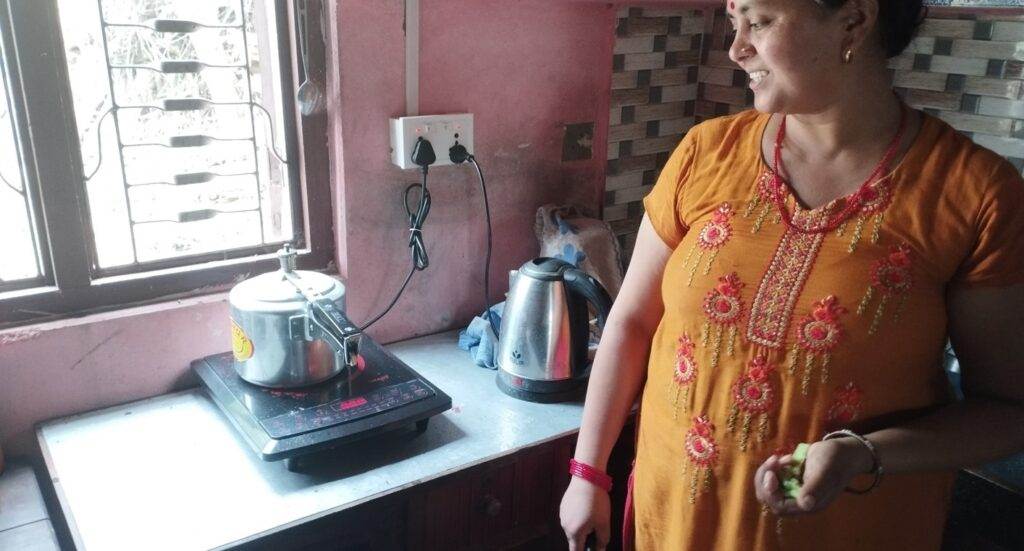
On the demand side, the project raises awareness of the health, environmental, and economic benefits of clean cooking through community engagement, demonstrations, and collaboration with local groups. It also improves affordability by supporting households to make use of available incentives when purchasing a stove.

On the supply side, the project is working with manufacturers, distributors, and retailers to strengthen the cookstove market. This includes building the capacity of last-mile distributors, supporting marketing and distribution networks, and improving the availability of spare parts and after-sales services.

The project also supports post-purchase engagement to encourage continued use and address challenges faced by households. Through these combined efforts, it aims to create a more accessible, reliable, and sustainable market for clean cooking solutions.

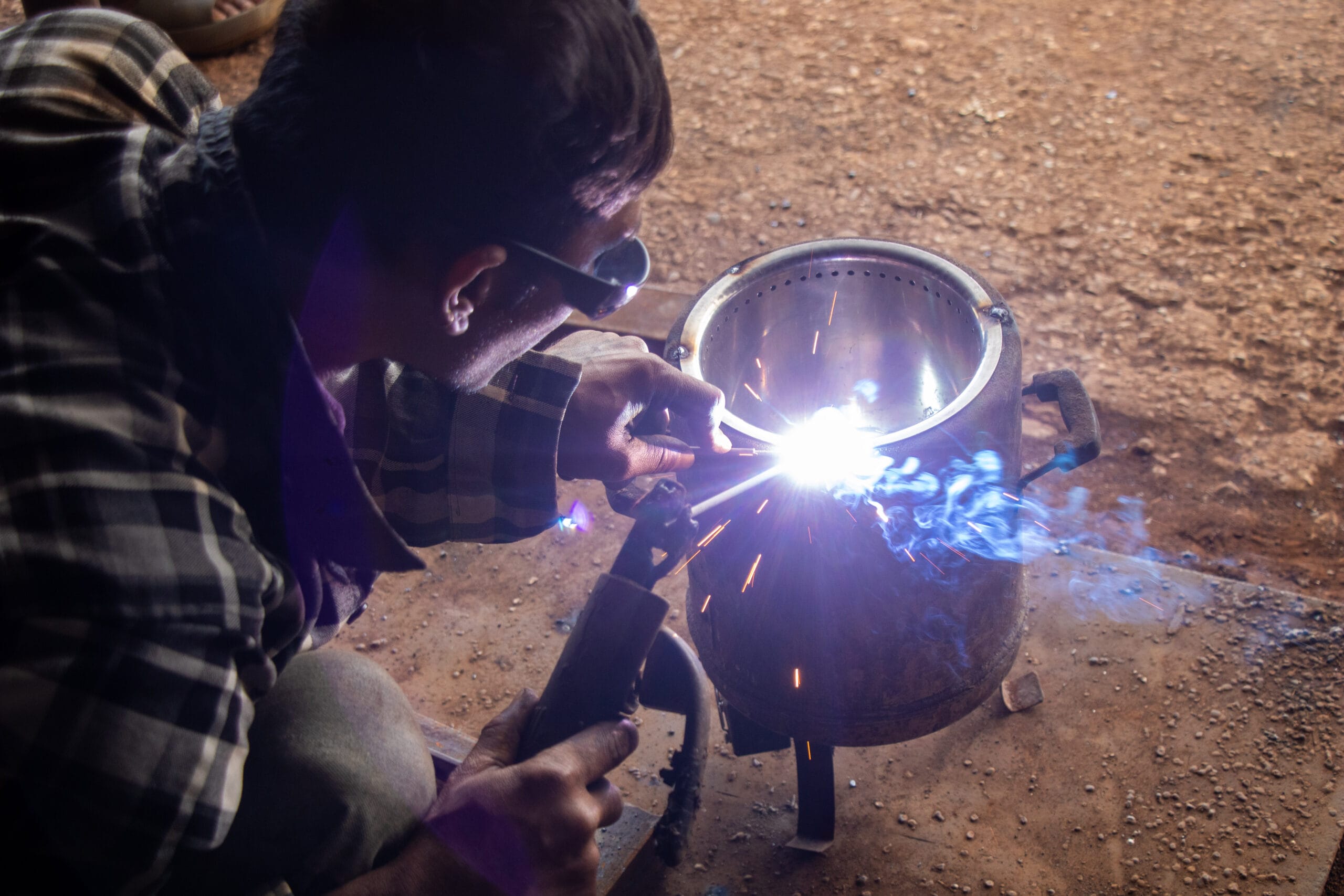
A person wearing protective glasses welds a metal object, creating bright sparks and smoke. The scene takes place on a rough, brown surface, and the person is dressed in a checked shirt.

By the end of the project, we aim to:

Access and adoption

  • Support 75,000 households, reaching around 375,000 people, including 202,500 women
  • Expand access to clean cooking solutions across rural and remote communities

Household health and environmental impact

  • Reduce firewood consumption by up to 80% among participating households, with an estimated 1.7 million tonnes of CO₂ emissions avoided over 10 years
  • Contribute to improved household health through reduced exposure to smoke
  • Reduce time and effort spent on cooking and fuel collection, particularly for women and children

Market systems and livelihoods

  • Provide access to reliable repair and maintenance services for 27,000+ users
  • Strengthen capacity for ongoing repair, maintenance, and after-sales services
  • Support the growth of local businesses and job creation in the clean cooking sector
  • Strengthen local supply chains and last-mile distribution networks

Work like this depends on your support

Help us work with communities to tackle some of the world’s toughest problems.

Donate securely