Now is the time for all of us to step in, showing that a fair and thriving future is still within reach, taking action to make it real and influencing wider change.
Practical Action’s CEO Sarah Roberts underlines why climate change remains her number one priority and what the organisation will do to help the world address the challenge.
When I meet our teams and partners around the world, I often return full of conflicting feelings – hugely impressed by what has been achieved and angry and frustrated at how many challenges they have had to overcome
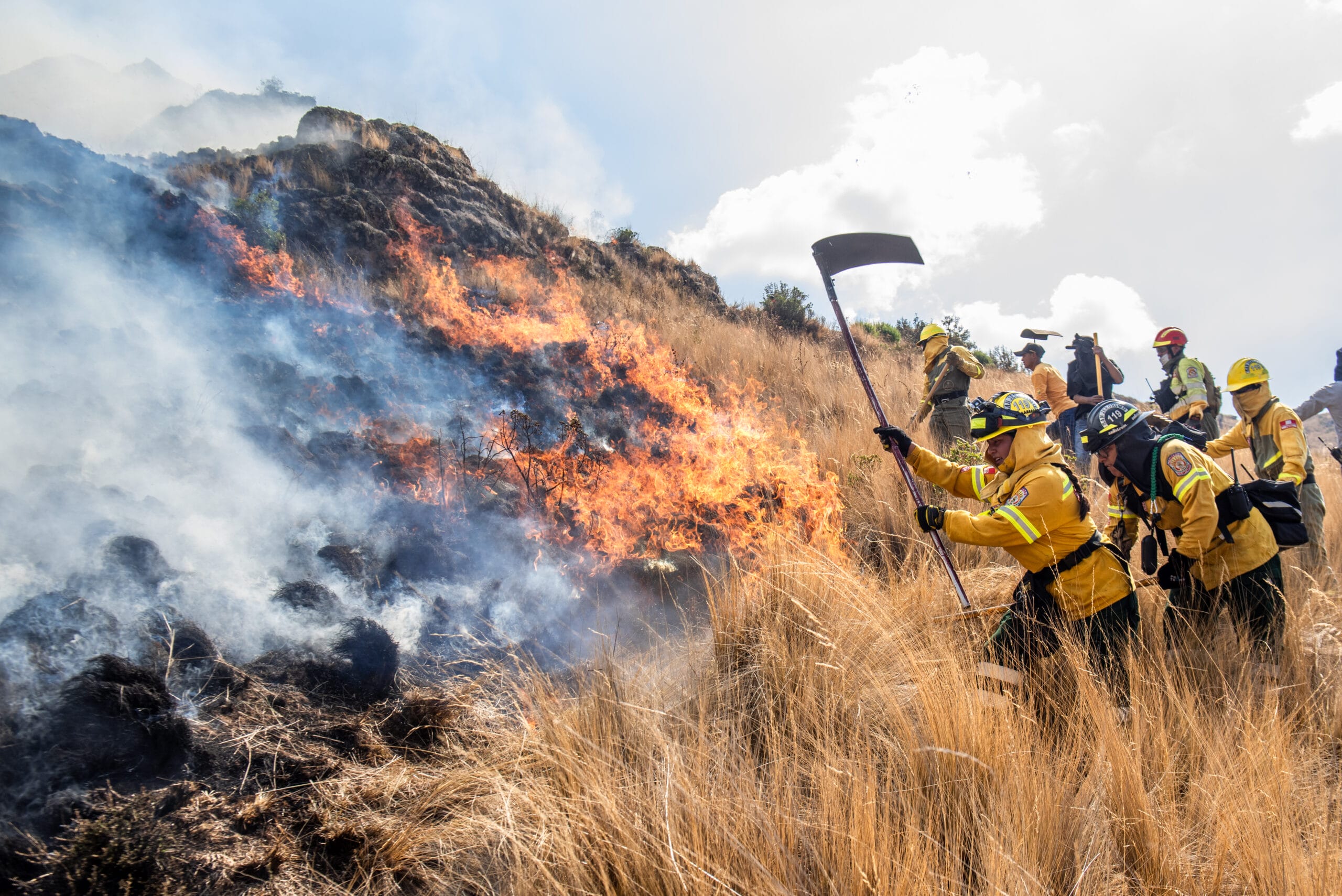
Time after time, I hear the same stories. Droughts, heavy rain and extreme heat are destroying crops. Floods and wildfires are wiping away livelihoods. Millions of people are working hard every day to feed their families, only to see that effort undermined through no fault of their own.
Climate change is damaging lives now, costing the world billions – and it doesn’t affect people equally. The most vulnerable and marginalised people are hit the hardest and have the fewest resources to adapt. Communities are being pushed back into poverty, reversing decades of progress and fracturing societies.
For some, their entire way of life is under threat. I have watched horrified as forest fires run rampant in Ecuador and talked to devastated people restarting their lives after decades of hard work and investment in sustainable forestry and agriculture was burnt to the ground.
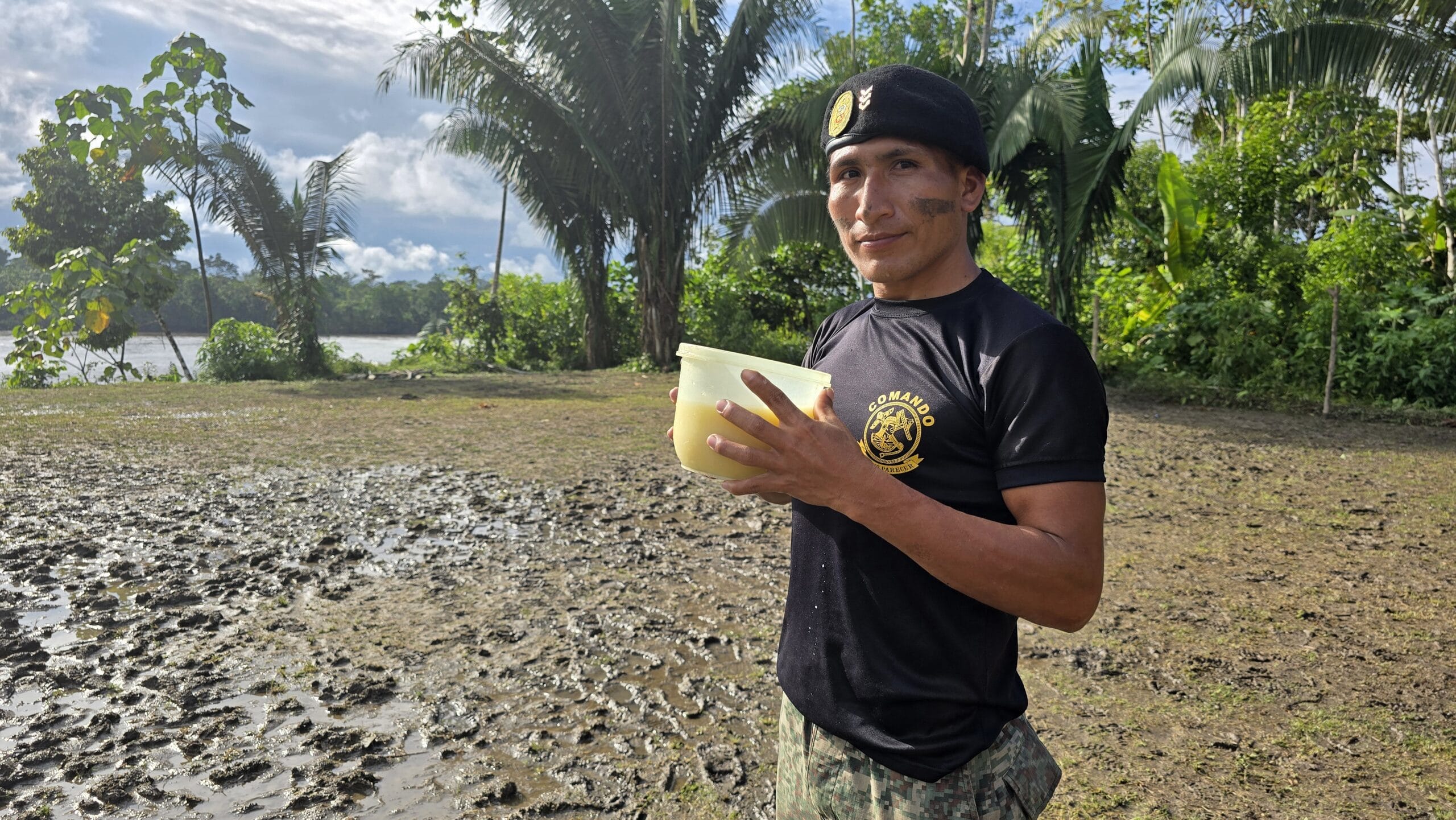
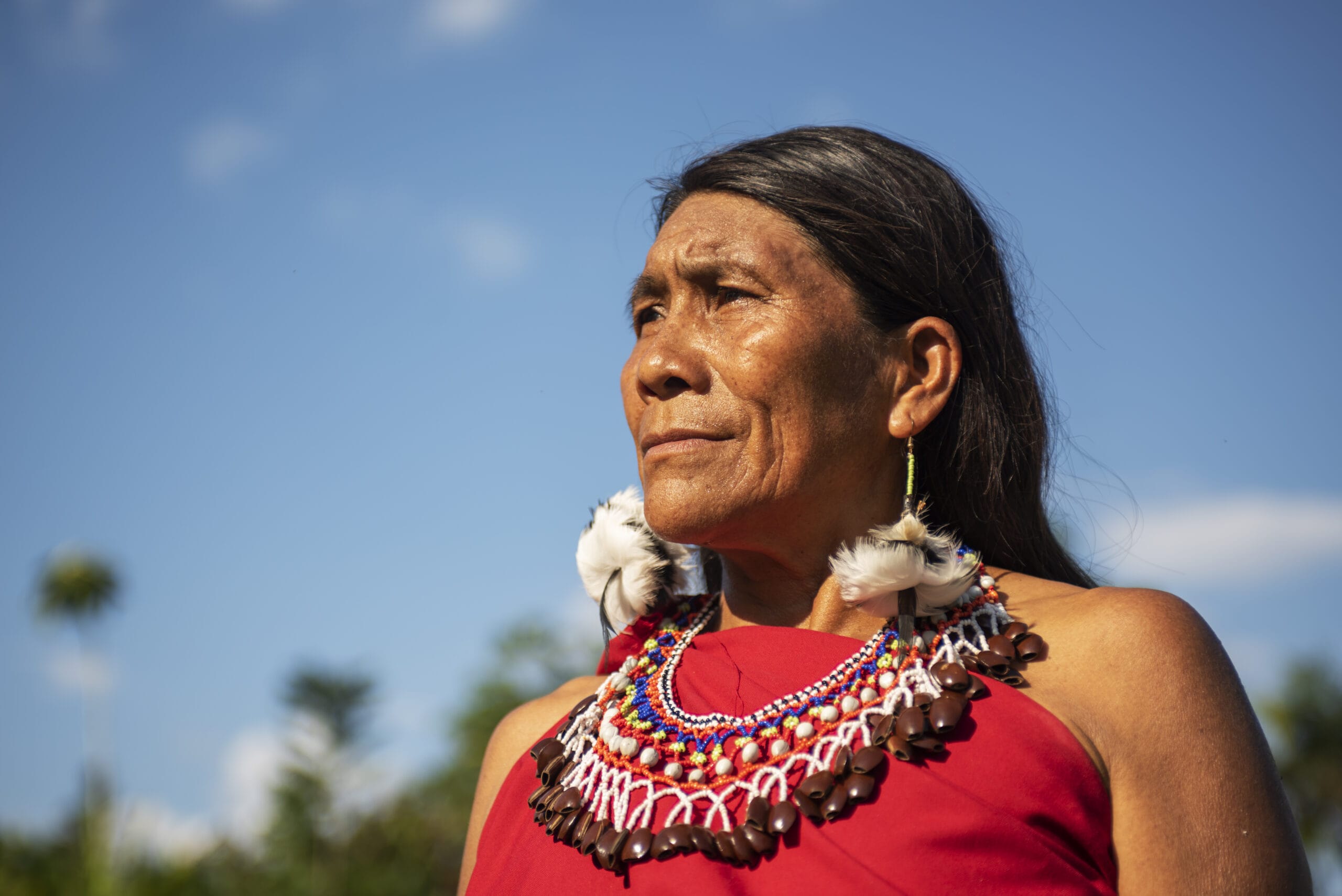
Earlier this year, an Amazonian leader described to us how he and his neighbours now patrol their river armed with weapons, trying to stop illegal loggers and miners. He told us of the silence that followed when hundreds of trees a day fell in an area once alive with bird song and the noise of animals at dusk and dawn.
Yesterday, at COP30, I let Nick Stern go ahead of me at a coffee stand so he could start his talk on time. Later, as I listened to him talking, 20 years after his groundbreaking report for the UK Treasury, demonstrated that the benefits of strong and early action on climate change far outweigh the economic costs of not acting, I didn’t know whether to laugh or cry.
While I see individuals taking action to deal with the climate crisis in every community – from the Peak District village where I live, to farming communities in Bangladesh and renewable energy start-up entrepreneurs in Rwanda – the truth is, we have not managed to sufficiently change our economic systems and political approaches to rapidly reduce climate emissions.
The expectation that positive change would accelerate when the impacts of the climate crisis began to affect the rich as well as the poor, and the economic costs of inaction become impossible to ignore have not held.
Today, global statistics remain horrifying:
- 3.6 billion people are currently considered to be highly vulnerable to climate change
- 14.5 million deaths are expected to be caused by heatwaves, floods and other extreme weather events
- $12.5 trillion of economic losses are expected by 2050.
But sometimes it is a particular statistic in a particular place that really hits home.
This weekend, as I watched the huge river in Belém flow to the sea, a noticeboard informed me that it was 31 degrees Celsius. But it was the number below it that I haven’t been able to forget: 48. That’s the temperature forecast for 2050. That’s not something we can cope with.
What are we doing about it?
By now, I am prepared to be disappointed by the lack of meaningful international political leadership at COPs. But I come to COPs for many reasons. The conference also brings together the best and most inspiring climate solutions and adaptations from across our planet. It provides a space to forge alliances to accelerate and invest in change that makes a real difference.
And it brings home how we can all play our part in shaping the world we want to live in, as citizens, as voters, as part of collective endeavours, small and large. One of the engagement approaches I have loved in the run-up to this COP is the #89Percent campaign, highlighting the proportion of the population that wants faster action on climate change and getting us all to #ProtectWhatYouLove.
When people want change, but see no leadership or progress, then hope can be lost and that is dangerous. When people lose hope and see no solutions to the problems they fear, extremism can fill the place of hope.
Now is the time for all of us to step in, showing that a fair and thriving future is still within reach, taking action to make it real and influencing wider change.
Practical Action has six decades of experience supporting people pulling themselves out of poverty, during which we have seen how climate change and poverty are interconnected. So now we must ensure that every partnership and programme of work includes ways of helping people deal with the climate and nature crises.
This isn’t just about surviving the crisis: it’s about creating fairer, more resilient systems that protect lives, restore nature and open new paths for prosperity.
Here’s how Practical Action works with in some of the most vulnerable places in the world.
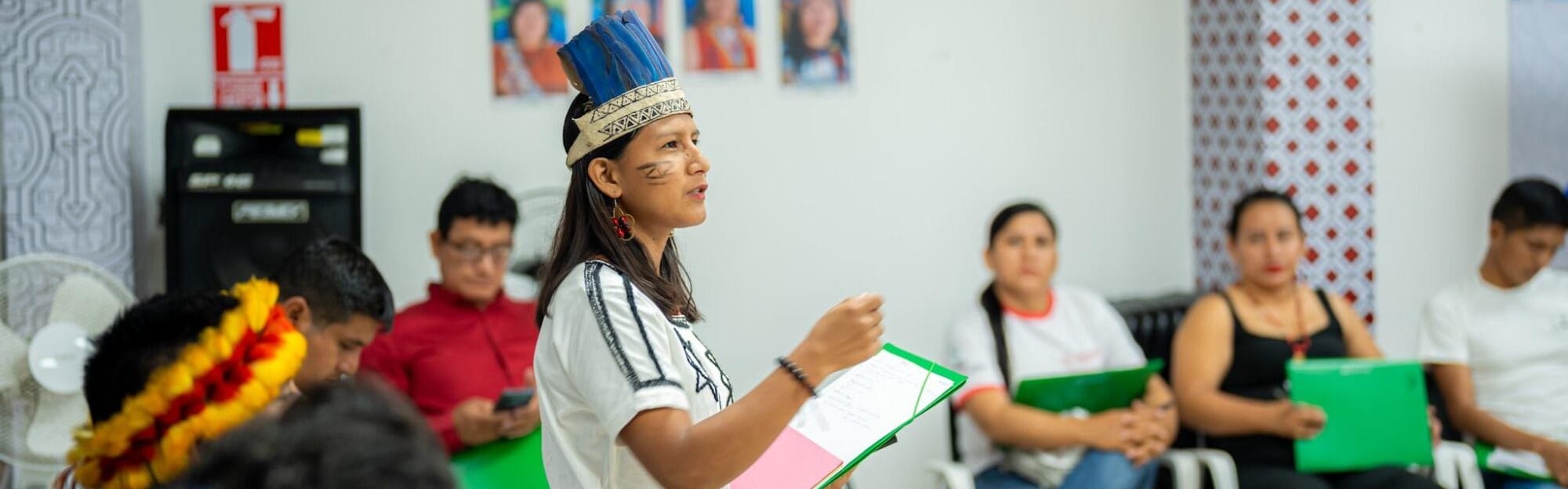
- In Peru, Ecuador and Bolivia, we partner with Indigenous communities in remote Amazon and Andean territories so they can strengthen governance, access finance, and manage their lands in ways that sustain both culture and income.
- In Sudan, we are helping farmers adapt to drought and heat while supporting large influxes of displaced people, fleeing the war in other parts of the country.
- In Nepal and Bangladesh, we are working with women left in charge of farms in remote villages where men have migrated to cities or abroad.
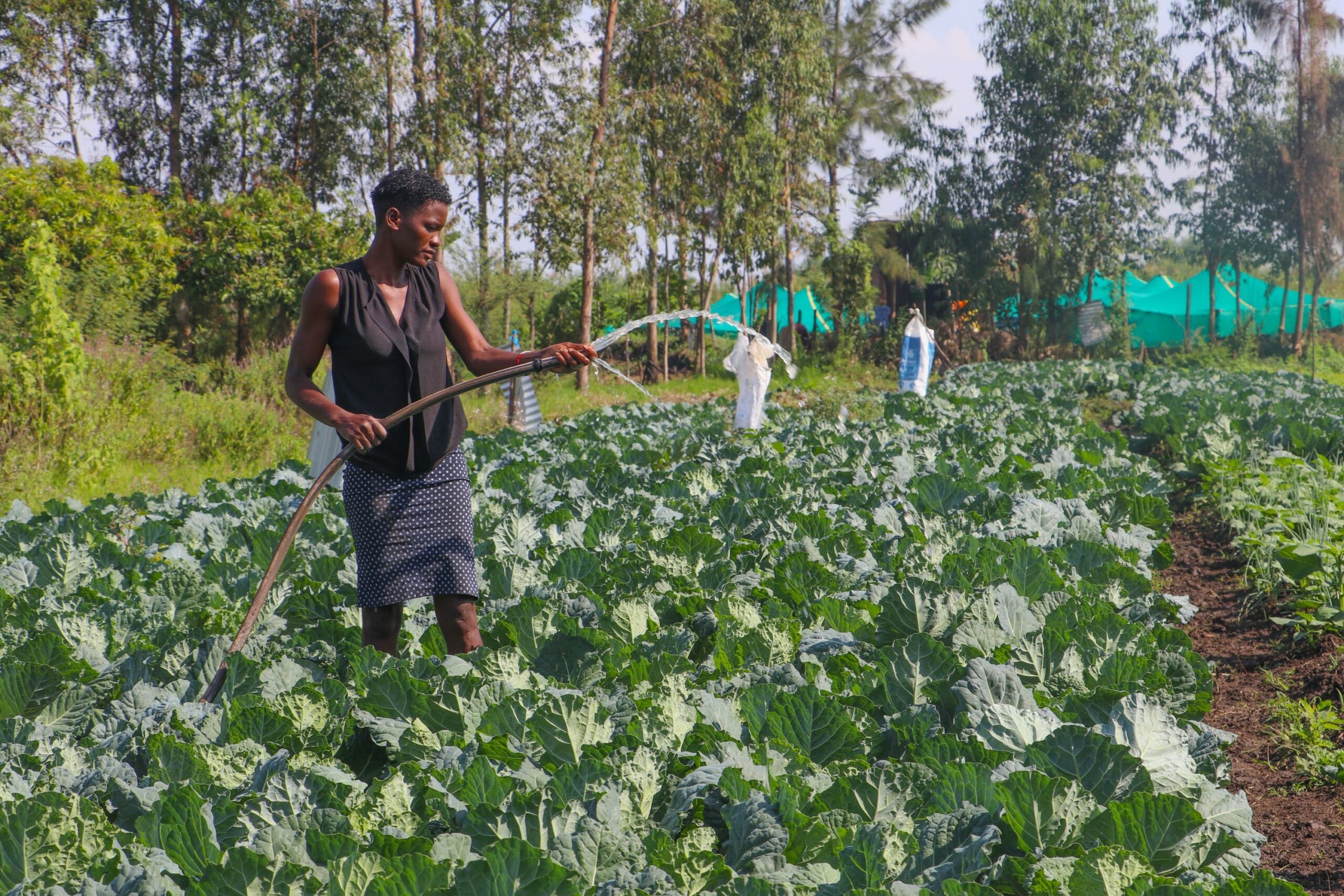
- In Kenya, we work with thousands of young people to revive rural economies, as they fail to find good options for work in the cities.
So, what’s coming in the next five years? Let’s keep it local:
Contexts and challenges are hugely variable, but our principles remain the same. Change is driven by local communities and partners. People know what they need, but often lack finance, political networks or the knowledge and training they need to take action.
Our role is to work alongside them, help remove those barriers and secure the conditions for their ideas to succeed. Programme plans must have the ability to be flexible and agile enough to adapt when conditions shift.
When there is not enough community consultation, buy-in and leadership of work, progress fails. Too many programmes do not deliver long-term change because they were not planned and led by the people they aimed to support.
It is vital we prioritise the growth and development of strong, well-run local organisations, so they don’t just deliver work, but they lead change.
At this COP, we are demonstrating what this looks like. Currently, only 1% of funding reaches the indigenous groups who are working so hard to protect the land they love – land that is essential for the survival of us all.
It is vital we prioritise the growth and development of strong, well-run local organisations, so they don’t just deliver work, but they lead change.
Today, I am excited to join Indigenous organisations and key donors for the Amazon to discuss Indigenous-led proposals for funding mechanisms that work for them. Our role is to back their leadership and help turn these ideas into commitments.
Only with well-funded and effective local organisations, can we build on local knowledge, create culturally grounded movements for change and strengthen local leadership that can build movements so change happens at a scale.
I am optimistic that we can create this. We see that happening in different places we work, whether it is supporting the work of AIDESEP, the largest indigenous peoples’ organisation in the Peruvian Amazon, or working with young agricultural entrepreneurs and partners as they develop rural economies in Kenya.
Our ambition
COPs are always a good moment for reflection and reckoning. This is a moment to deliver on promises made, and to prove how climate action can work. Practical Action is committed to be part of that.
We want to increase the number of people who have strong resilient livelihoods and are part of thriving inclusive economies. By 2030, our ambition is to have helped 10 million people live more sustainably and thrive, despite climate change.
To get there, we are focusing on three priorities.
- Adapting and building resilience – a smart investment that boosts productivity, improves lives and promotes long-term growth.
- Transforming food systems – Food production and distribution is currently responsible for up to a third of global emissions. Healthy food systems, powered by regenerative agriculture, can create thousands of jobs, sustainable economies and safeguard the future of our planet.
- Reliable energy for everyone – In remote areas, access to clean, reliable energy can change a whole community and mean the difference between opportunity and exclusion. Still, millions of people lack this basic requirement for economic development.
If COP30 is to mean anything, it must mark the point where momentum from the ground forces a change in direction across the world. Only by showing, together, the approaches deliver for people, nature and economies, can we create that future.