Clean cooking that works in the real world
At Practical Action, we take a systems thinking approach to clean cooking. That means looking beyond the stove itself to addressing the issues that prevent extremely poor communities from transitioning to cleaner ways of cooking in a sustainable way; to work not only in making the change possible, but welcome.
Here’s what that looks like:
Designing solutions with the people who use it
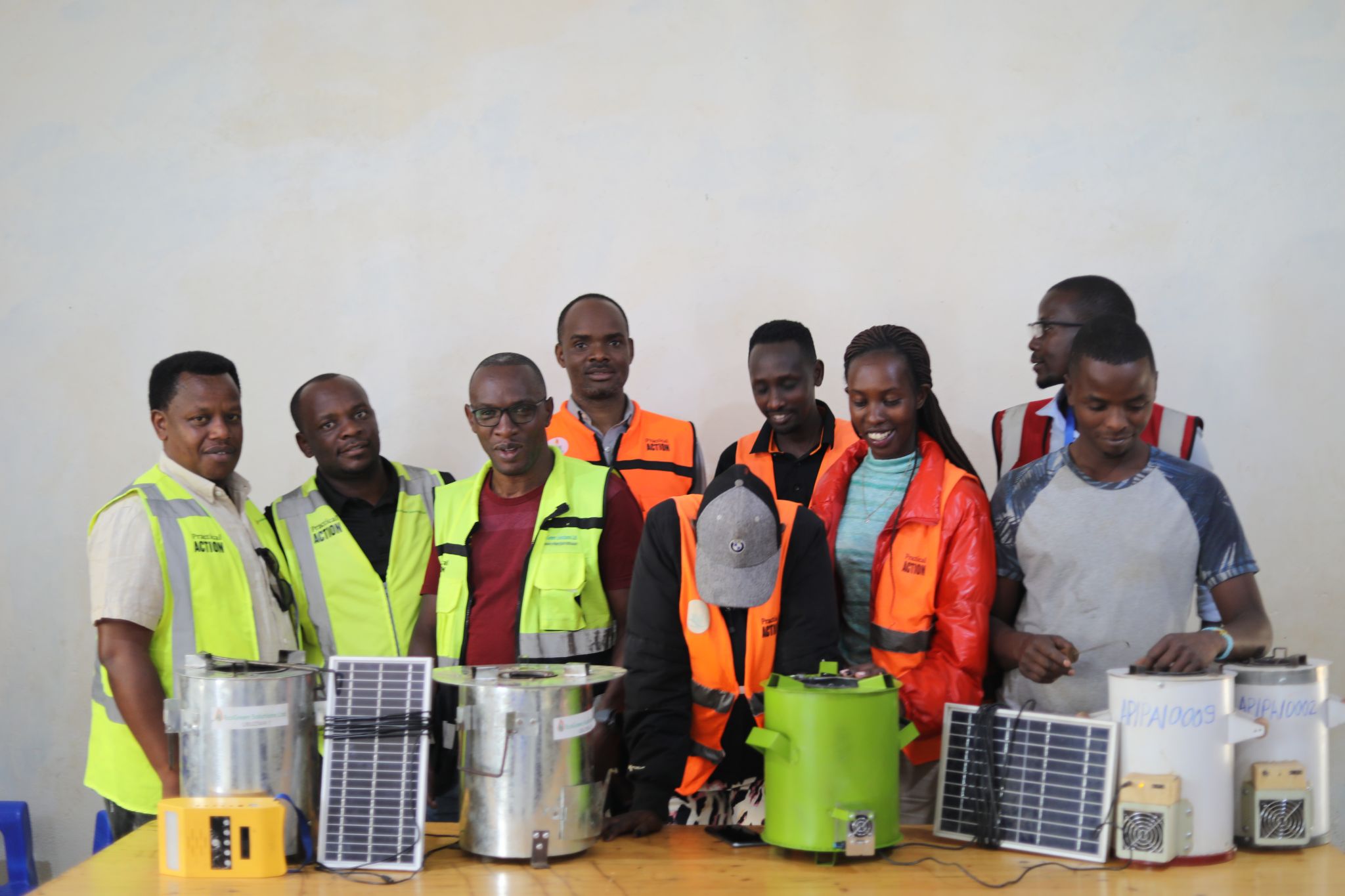
We work closely with communities to build solutions that reflect how they live and cook. This includes working in refugee camps, informal settlements, and remote villages, where context is everything. Through , we ensure all technologies used make sense in the daily lives of families and are truly embraced in the long run.
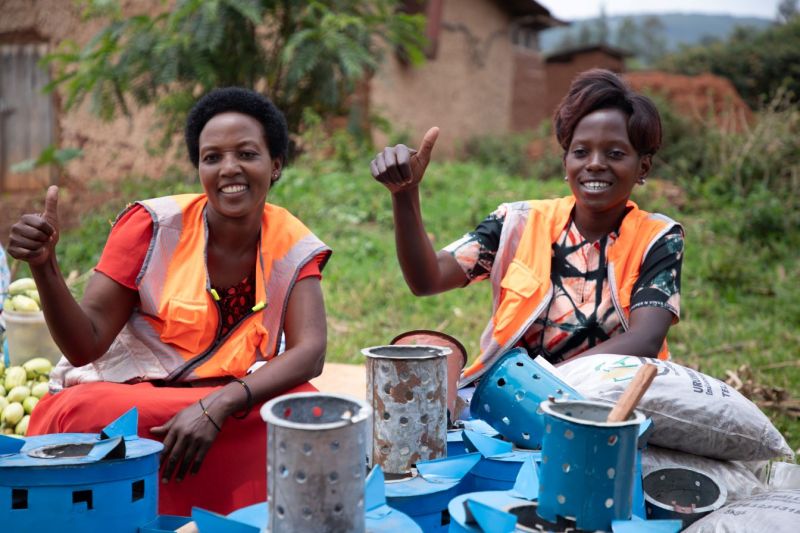
In most of the settings where we work, women do the cooking — but they’re also the entrepreneurs, technicians, and innovators. We support women to lead clean cooking efforts by building their skills in business and leadership, connecting them to finance and technology, and strengthening their role in local energy markets. When women are equipped to lead, clean cooking systems become more inclusive, more sustainable, and more effective —especially when communities, including men, not only welcome their leadership but actively help create the space for it to thrive.
Stronger Markets
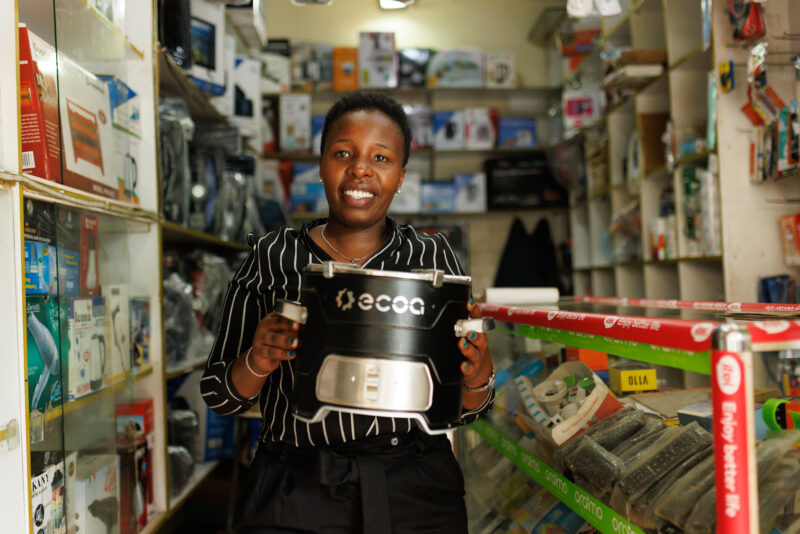
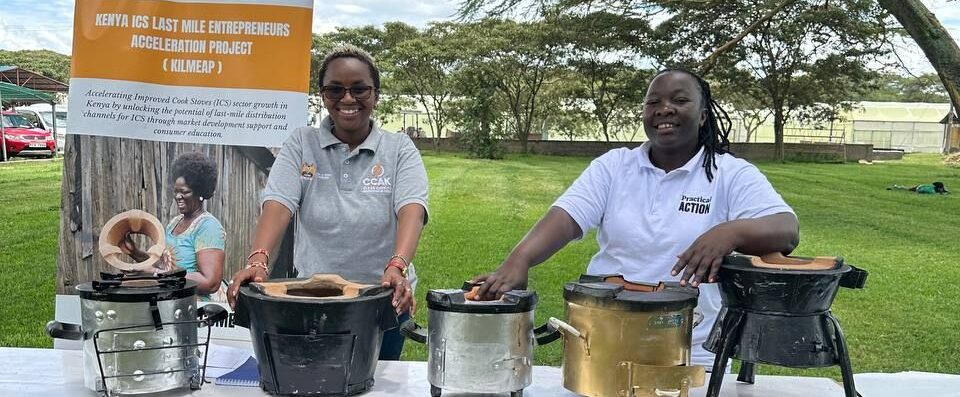
We work with small businesses and local supply chains to ensure technologies not only reach the people who need them but remain accessible over time. That includes building after-sales service, local repair capacity, and partnerships with energy enterprises.
Financing that meets people where they are
Many families simply can’t afford the upfront cost of a clean stove. We use a blended financing approach that combines results-based finance, carbon credits, grant funding and microfinance to make access possible and scalable.
In Rwanda, we work with UNHCR and Endev to make clean cooking affordable for refugees by pairing results-based finance with efforts to de-risk private sector investment in camps. In Sudan, our award-winning carbon-offset project used microfinance to help 12,000 households switch from traditional fuels like firewood to cleaner liquefied petroleum gas (LPG), while strengthening women’s roles in supply chains.
We’re also applying lessons from Nepal, where combining carbon credits with results-based financing has enabled over 75,000 households to access clean cooking solutions. These models are unlocking access for those who would otherwise be left behind.
Policy and partnerships
We help shape local and national policies and strategies and collaborate with multiple stakeholders including developing and humanitarian actors, government and private sector partners to align clean cooking with energy access, health, and climate goals.
This approach has helped us reach over 3.5 million people across Africa and position clean cooking as a core part of inclusive energy transitions.