It is the latest blow to indigenous farming communities who were already struggling to cope with the effects of climate change, which are characterised by longer, more frequent droughts, wildfires, heavy rains and flooding.
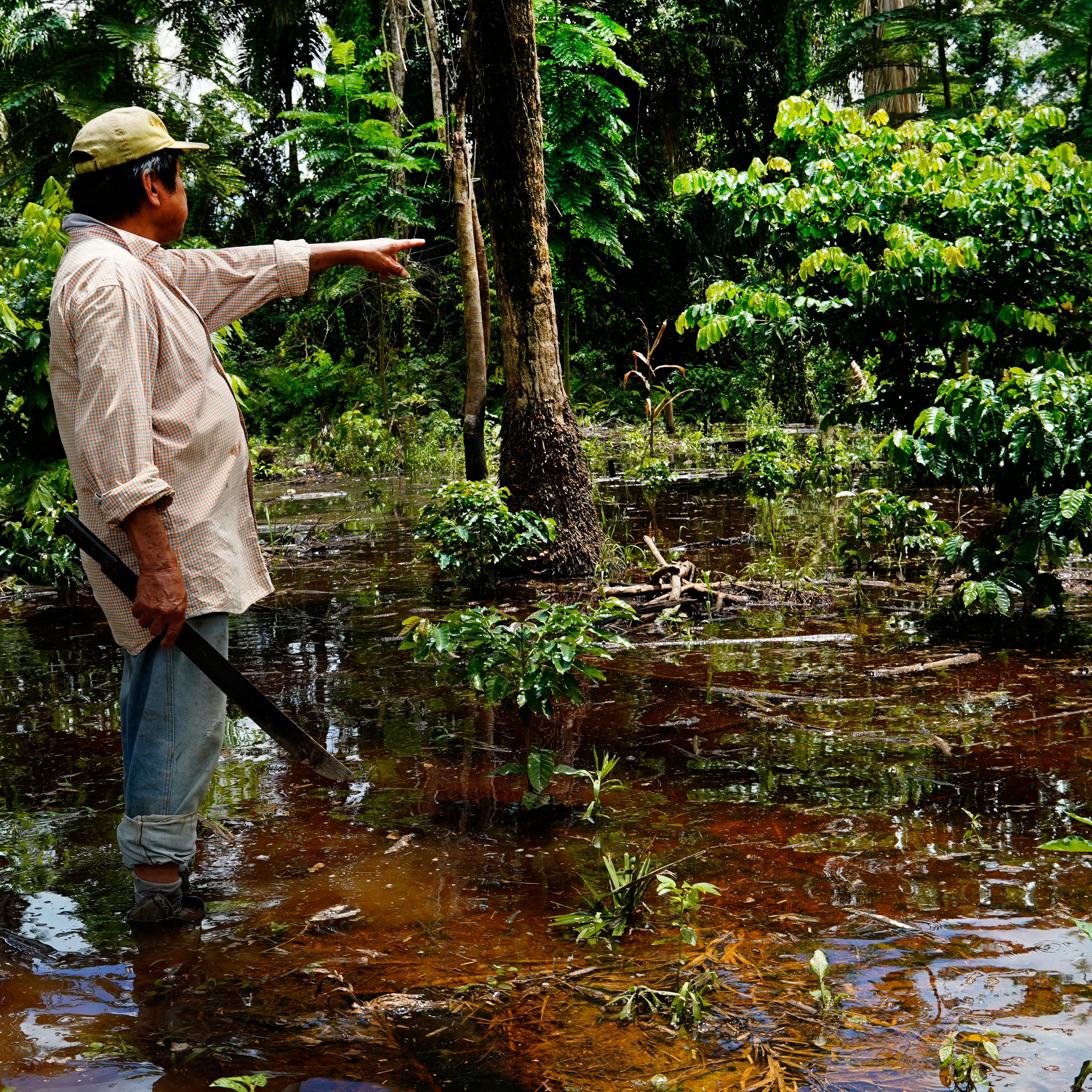
Wildfires destroyed homes and burned down crops of cacao, coffee, yuca, maize and other fruit trees vegetables when they broke out in late 2023 and 2024.
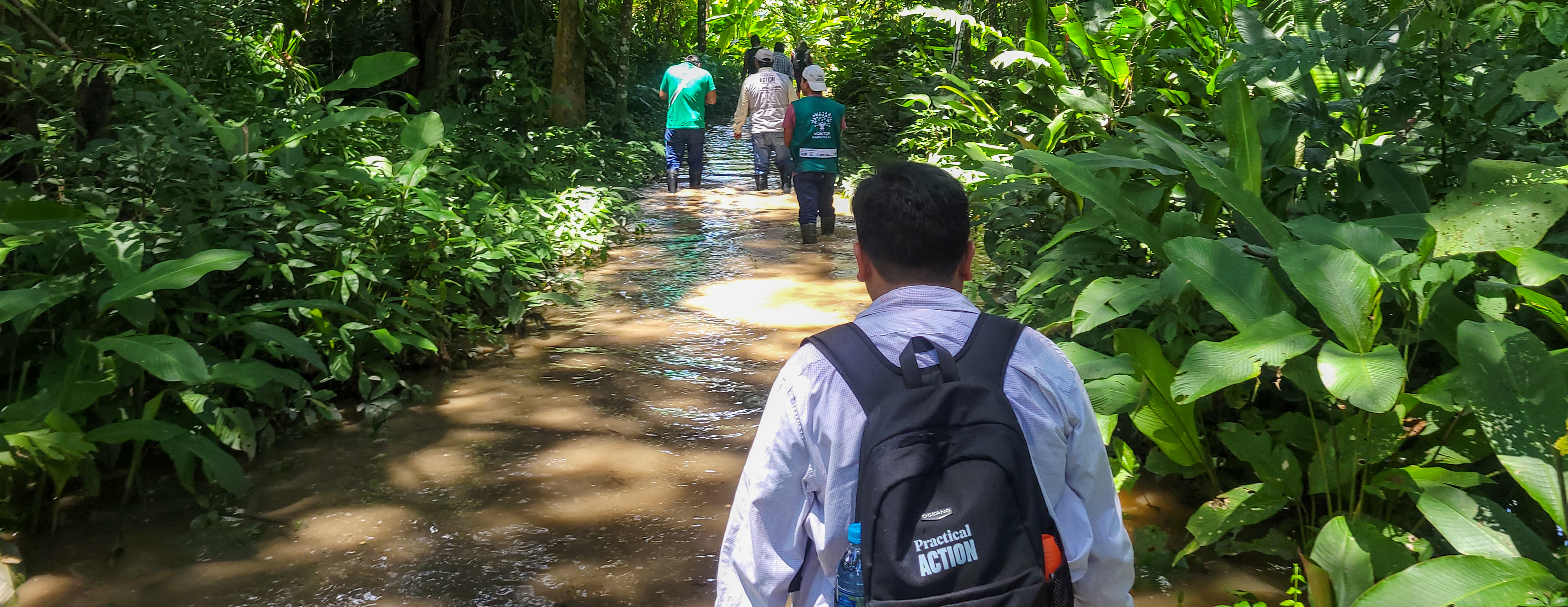
Since then, communities and Practical Action staff worked together to replant and recover the farms, improving resilience to weather-related emergencies and developing warning systems through the installation of solar panels for communication and to power water pumps and irrigation.
Wenceslo Mamio from the village of Capaina, said today (Friday, 14/3),
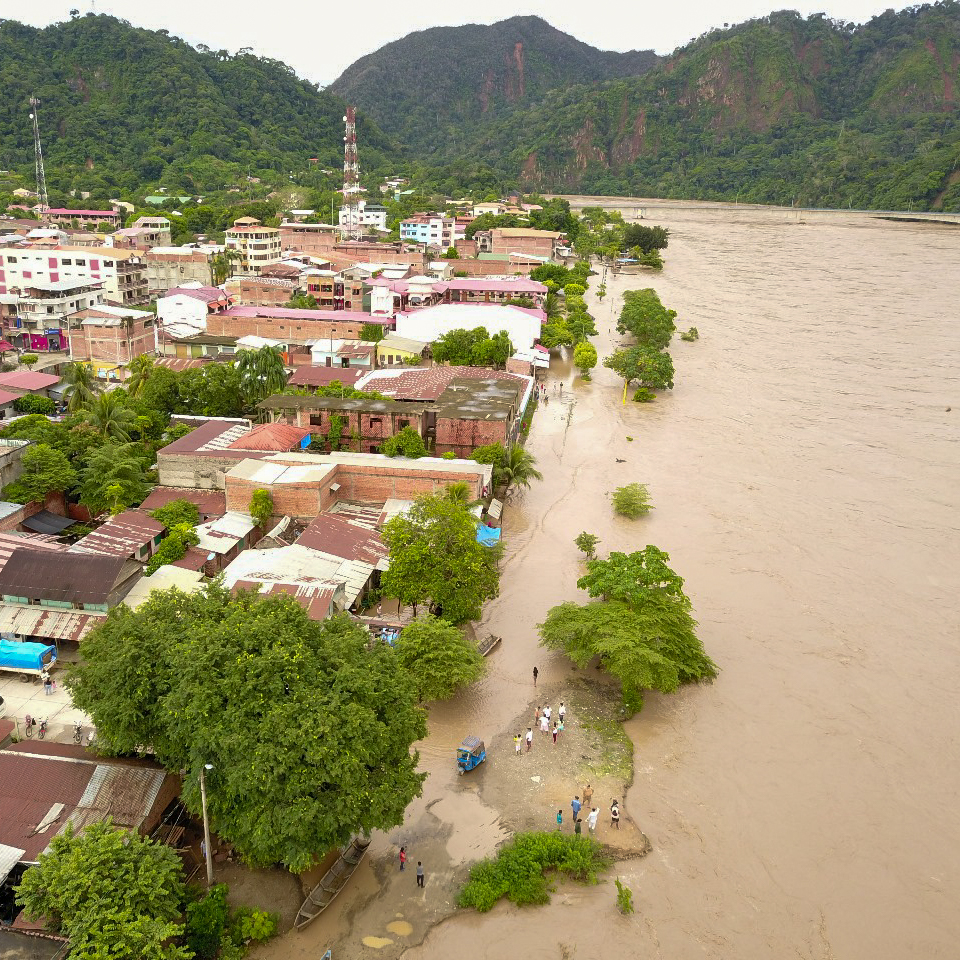
“The water is now in our community and in the next hours all the houses are going to flood. Besides this, we have a lack of fuel, so we can not be evacuated. We are asking our authorities and people in general for support – so we can at least have shared plots of land to feed our community later this year.”
This is the second major flood that Capaina, and other communities in the Tacana indigenous territory (in the San Buenaventura municipality) has faced in the last 10 years. In 2014 Capaina was flooded and almost all the population was evacuated for four weeks until they could start rehabilitation work and strengthen their resilience.