By Mamadou Toure, Climate Resilience Lead, and Audrey TIAKOU, Knowledge Assistant, Practical Action Senegal
As world leaders prepare to meet at COP31 in Antalya, they must recognise that the success of global climate commitments will ultimately be measured in the communities facing the effects of climate change.
Across Africa, floods, droughts and environmental degradation are threatening livelihoods, food security and access to essential resources. Yet communities are not simply waiting for international support. They are developing ways to manage climate risks, protect their environments and adapt to changing conditions. Their experience must have a much greater influence on the decisions made at international climate negotiations.
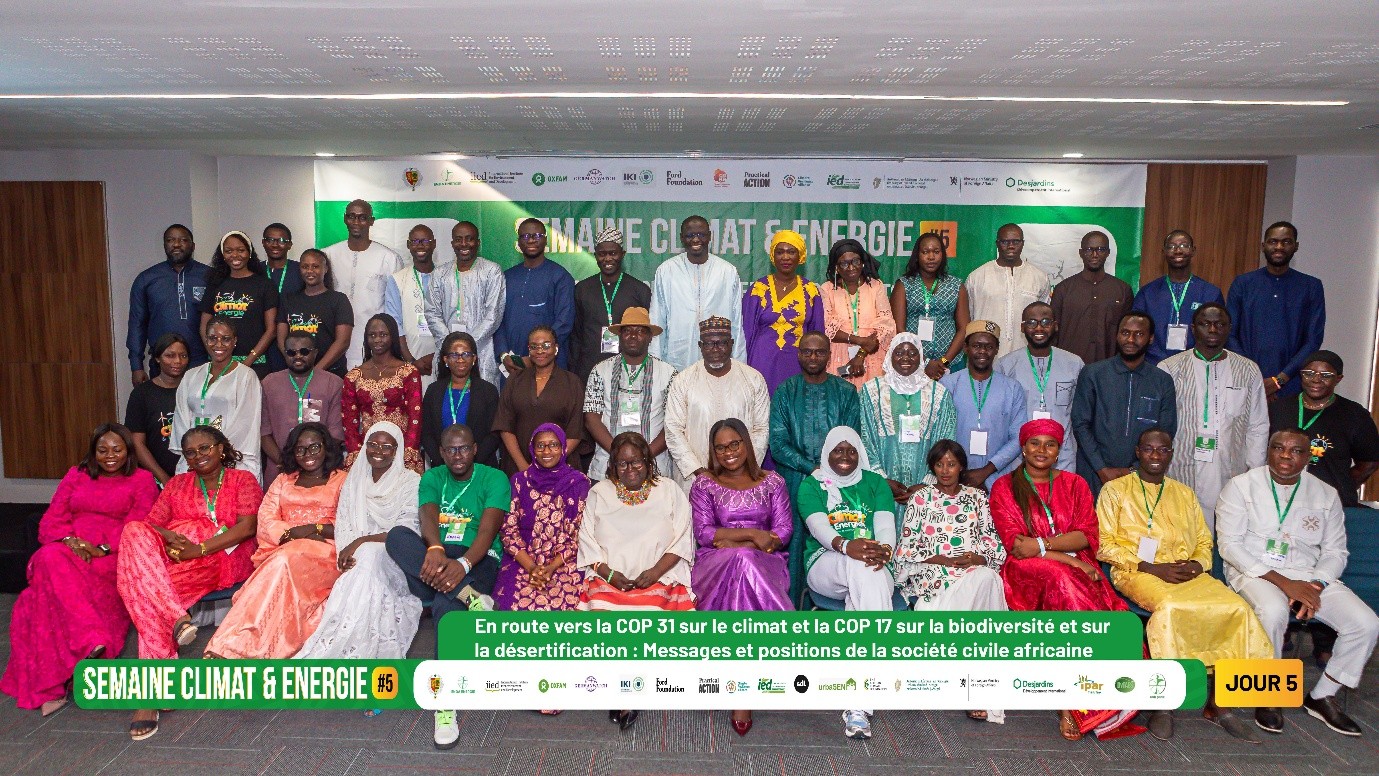
This was one of the central messages from the fifth Climate & Energy Week , organised by Enda Énergie in Dakar, Senegal, in July. The event brought together local authorities, researchers, civil society organisations, communities and private-sector representatives to discuss how climate action can better respond to local realities.
As members of the Zurich Climate Resilience Alliance, Practical Action contributed its experience of working with communities on climate resilience, including inclusive early warning systems and ecosystem-based approaches. The discussions highlighted a persistent problem: Africa has climate strategies and ambitious commitments, but too many communities still struggle to access the resources, finance and decision-making processes needed to put them into practice.
Climate finance must reach the people closest to the problem
In Senegal, making climate finance accessible means ensuring that local authorities, community organisations and local NGOs have the resources to turn their knowledge of climate risks into practical solutions.
These organisations are often closest to the communities experiencing the effects of climate change. They understand the local challenges; know which livelihoods are most vulnerable and can identify solutions that respond to people’s needs. Yet they can struggle to access international climate funding because of complex application processes, administrative requirements and limited capacity to manage large grants.
We need funding arrangements that recognise their role and give them a more direct route to finance. This could include dedicated funding windows for local organisations and municipalities, allowing them to develop and implement adaptation projects based on priorities identified by their communities.
However, providing funding is only part of the solution. Smaller organisations also need investment in the skills, technical expertise and financial management systems required to deliver programmes effectively. Funders should therefore make provision for capacity-building alongside project funding, rather than expecting local organisations to meet the same administrative requirements as much larger institutions.
There must also be room for learning. Locally led adaptation involves testing solutions in complex and changing environments, and not every intervention will deliver the expected results. Funding arrangements should recognise this, allowing organisations to learn from setbacks while maintaining transparent reporting and appropriate accountability.
Practical Action’s experience through initiatives such as the Biodiverse Landscapes Fund (BLF) offers useful lessons about bringing different partners together to address environmental challenges across landscapes. We should build on such approaches to ensure that local organisations and communities have a stronger role not only in delivering climate programmes, but also in shaping how resources are allocated and decisions are made.
Ultimately, climate finance must do more than reach local areas. It must give the people closest to the challenges the means and authority to lead solutions.
Communities have knowledge that climate policy cannot afford to ignore
Finance alone will not build resilience. Effective climate action must also recognise the knowledge and experience of the people living with environmental change.
Communities have generations of experience managing their land, water and natural resources. This knowledge can complement scientific evidence and help develop solutions that reflect local conditions.
Yet traditional and practical knowledge is not always adequately represented in national adaptation plans or climate policies. Women, who often play central roles in managing household resources and sustaining local livelihoods, must also have a stronger voice in these decisions.
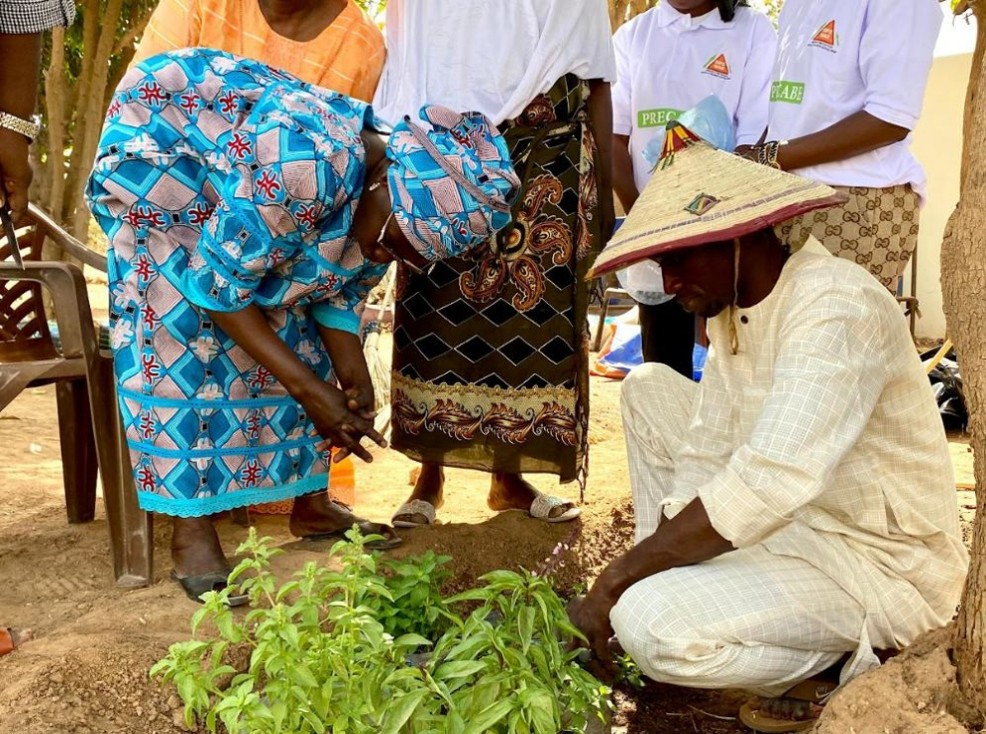
In Senegal, Practical Action’s work through PRECABE in Thiès demonstrates the importance of ecosystem-based approaches to strengthening community resilience. By connecting local priorities with nature-based solutions, such initiatives show how protecting ecosystems can also support the people whose livelihoods depend on them.
This integrated approach matters because climate change, biodiversity loss and land degradation are interconnected. Addressing them together offers opportunities to protect natural resources while strengthening livelihoods and communities’ ability to adapt.
Early warning and preparedness must reach everyone
Communities also need timely and accessible information to prepare for climate-related hazards. Through our work on ResAlert/WISER in Senegal, Practical Action supports efforts to strengthen inclusive early warning systems. However, an effective warning system is not simply about collecting climate information or issuing alerts. People must receive warnings they understand, trust and can act upon. This means involving communities in the design and delivery of early warning systems, paying attention to people who may otherwise be excluded and ensuring that warnings are connected to practical preparedness measures. These are the kinds of locally grounded approaches that deserve greater attention and investment.
COP31 must turn ambition into implementation
African countries are bringing valuable experience to COP31. Across the continent, communities and local organisations are developing practical responses to climate risks, protecting ecosystems and finding ways to strengthen livelihoods. The challenge is ensuring that this experience shapes international climate decisions and influences how climate finance is distributed.
National governments have an important role in setting climate priorities and providing oversight. However, local authorities and community organisations should not have to depend entirely on central institutions to access international climate finance. COP31 must create greater opportunities for them to access funding directly and influence how it is used.
African countries should arrive at COP31 with three clear priorities
- Establish direct-access funding mechanisms: International climate funds should create dedicated funding windows through which local authorities, NGOs and community organisations can access resources without unnecessary administrative intermediaries.
- Make local capacity a funding priority: Climate finance should recognise that effective adaptation requires investment in the institutions, skills and technical expertise needed to deliver programmes at community level.
- Give communities a voice in funding decisions: People most affected by climate change should have a meaningful role in identifying priorities, shaping interventions and assessing their impact.
Africa should not arrive at COP31 simply asking the world to act on climate change. It should arrive with solutions, experience and a clear expectation that global decisions must work for the communities on the front line.
The real measure of COP31’s success will be whether it changes who can access climate finance, who influences how it is spent and whether communities have greater control over their climate future.