COP30 closes with alarming gaps for communities facing climate impacts despite progress
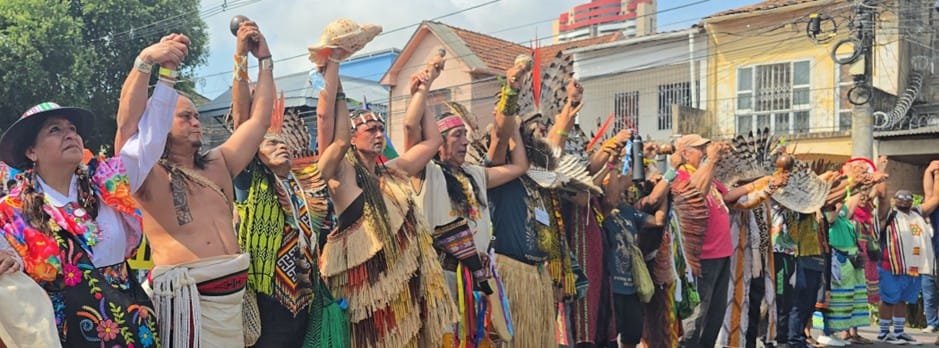
The UN climate talks in Belém have ended with some steps forward on how the world tracks progress on climate adaptation.
However, Practical Action staff working closely with communities living with climate impacts say the outcome still falls well short of what is needed.
Missed opportunities on confirmed funding and on stronger ways to track progress on adaptation stand out as key concerns.
Negotiators approved a set of 59 indicators linked to the Global Goal on Adaptation, a UN process that aims to measure whether countries are doing enough to help people adapt to climate change.
Practical Action has been calling for this progress for several years, because these indicators are designed to show if adaptation efforts are actually reducing risk and protecting lives and livelihoods.
Yet, these indicators were not included in the final political agreement adopted at COP30. This makes it harder to hold governments to account on whether adaptation efforts are truly making a difference.
At the same time, the outcome on adaptation finance was disappointing. A commitment made at COP26 in Glasgow to triple adaptation finance has now effectively been scaled back to doubling, with full tripling delayed until 2035. There is still no agreed baseline to show what current funding levels are, and no clear commitment to provide predictable grant-based support.
This keeps climate-vulnerable countries without the certainty they need to plan long-term action.
Sarah Roberts, Practical Action’s CEO attended the talks in Belém. She said:
“Communities on the front line of the climate crisis are adapting every day with what little they have. COP30 needed to deliver clarity, ambition and a step-change in adaptation finance. Instead, it delivered a package that is procedurally useful but doesn’t match the reality people are facing.
“Progress on the Global Goal on Adaptation is important, but without reliable finance and clear accountability, the world is not yet on a path that matches the scale of climate impacts people are facing.”
Practical Action experts say what this outcome means in practice
Demet Intepe, Practical Action’s climate change adaptation and resilience expert, said:
“COP30 delivered some progress on adaptation, but it still falls short of what frontline communities deserve. Work on the Global Goal on Adaptation can now move forward, yet the absence of any reference to it in the final political agreement weakens the overall outcome.
“Tripling adaptation finance was the minimum required. Without clear timelines, a baseline or predictable grant-based support, we still do not know how or when this funding will reach those who need it most.”
Alicia Quezada, Practical Action Regional Director, Latin America, said:
“While progress on how adaptation is measured is welcome, weakened finance leaves many communities without the resources needed to protect their land, strengthen local economies and plan for an increasingly uncertain future. We see every day how locally led action builds real resilience. What is missing is finance that is predictable, fair and accessible to the people driving that change.
“Our ambition in Latin America is to contribute to stronger rural economies in some of the world’s most important landscapes, so the people who live there have the means and the power to manage them in the way they see fit.”
Dharam Uprety, Practical Action Climate and Resilience lead, Asia, said:
“Across South Asia, monsoon patterns are shifting, droughts are deepening, and heatwaves are becoming deadlier. Delays and weak decisions on adaptation mean that community knowledge, early warning systems and local solutions risk being pushed to the margins.
“The Global Goal on Adaptation can still become a meaningful tool if it is grounded in lived experience and backed by reliable funding.”
Mamadou Ndong Touré, Climate and Resilience lead, West Africa, said:
“Farmers across the global south are already coping with unpredictable rains and falling yields. Reducing ambition on adaptation finance and delaying progress to 2035 has real consequences for people trying to protect crops, water supplies and local systems which move food from farms to markets to tables.
“Adaptation cannot be built on shrinking commitments. Communities need predictable support and a clear path to act.”
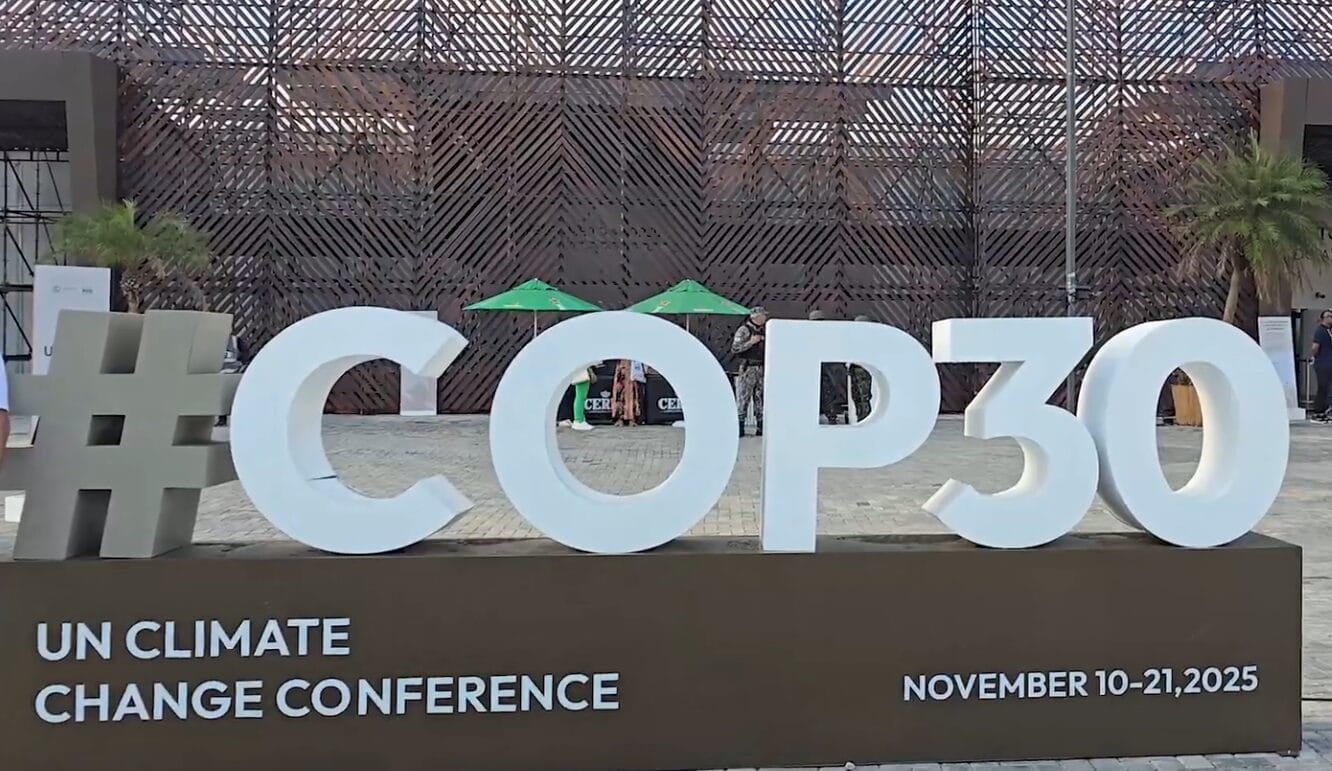
What COP delivered and where it missed the mark for Practical Action
What delivered:
- A starting set of global adaptation measures: Countries agreed to keep working with a set of 59 global measures to track whether people are becoming safer from climate impacts. This is a step Practical Action has long called for.
- Stronger gender focus in planning: New decisions on National Adaptation Plans ask governments to better reflect the needs and leadership of women and people most at risk from climate impacts.
- Community, Indigenous and local knowledge and leadership recognised: COP30 decisions refer to traditional, Indigenous and local knowledge as important for effective climate action. This strengthens the case for adaptation approaches that are led by communities and rooted in local realities.
Where it fell short:
- Adaptation finance still off the mark: The pledge to triple adaptation funding has been watered down and pushed back, keeping vulnerable countries with less clarity on how much money will arrive and when.
- Funds still slow to reach communities: There is still no agreed, clear, direct way for climate finance to get to Indigenous peoples, local institutions and community organisations that are already leading adaptation.
- Energy for resilience overlooked: The outcome does not recognise reliable, clean energy as a basic requirement for resilient water, food, livelihoods and early warning systems.
- Weak accountability on adaptation: The new global adaptation measures sit outside the main political decision, making it harder to track whether governments are actually using them.
- Food systems stuck on the sidelines: Food and agriculture were discussed, but this did not lead to strong new commitments to improve how food is grown, processed, transported, sold and consumed, so it can better cope with heat, droughts and floods.
- Loss and damage support still lagging: Funding to help communities already losing homes, land and livelihoods is increasing, but remains far behind the scale of loss they are facing.
What happens next
With COP30 concluded, Practical Action reinforces its commitment to turning these gaps into action by:
- Enabling direct climate finance to communities: Working with Indigenous peoples and local institutions so they can design, manage and track climate funds in their own territories.ge and track climate funds in their own territories.
- Bringing community evidence into national plans: Helping partners document what is working on the ground and feed that evidence into Global Goal on Adaptation reporting and national adaptation plans.
- Putting energy at the heart of resilience: Expanding access to clean, reliable energy for water systems, food production, local businesses and early warning systems.
- Backing farmers to protect food and incomes: Supporting climate-resilient food systems and regenerative agriculture that help farmers stay on their land and earn a decent living.
- Pushing for fairer, more predictable public finance: Using our experience with communities to press governments and funders to match their promises with long-term funding.
Now the real test is whether COP30’s limited progress turns into action where people live with climate risks. Practical Action will use this outcome to press for decisions and funding that help people grow food, secure an income and plan for safer futures.
To partner with Practical Action and show how adaptation finance can drive real change, please contact our Business Development team:
Corporate partners:
Emily Darroch
Email: [email protected]
Call: +44 (0)1926 634 516
Institutional partners, trusts and foundations:
Victoria Ireland
Email: [email protected]
Call: +44 (0)1926 634 497