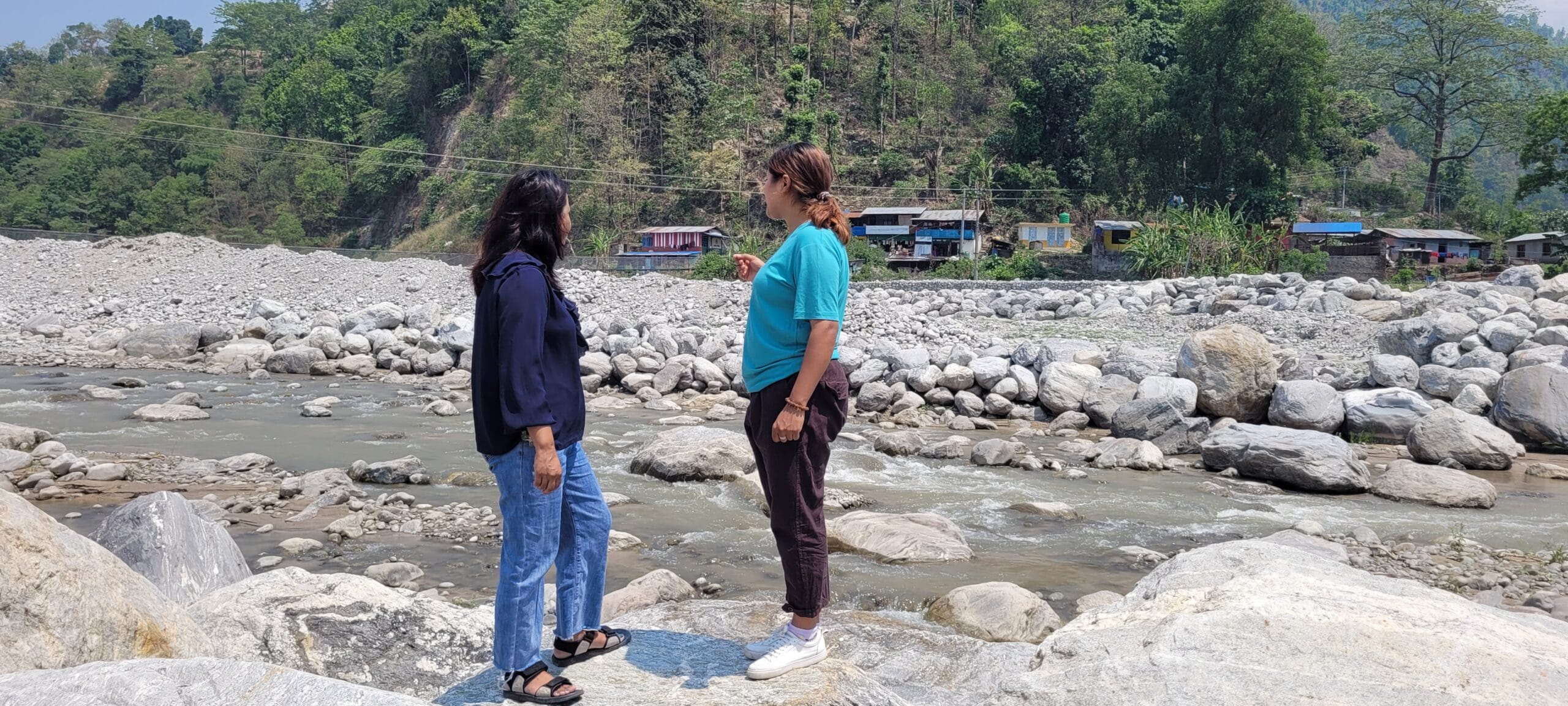
We are profoundly saddened by the loss of lives, livelihoods, and infrastructure caused by the devasting floods. The devastation we are seeing is a painful reminder of how vulnerable people are to sudden and extreme events.
Everyone at Practical Action has been deeply saddened by the devastating flash floods that have struck Nepal.
Our thoughts are with everyone who has lost loved ones, those who have been displaced, and those still waiting for assistance.
Practical Action in Nepal has had a presence in some of the districts most severely affected, and many of our team have worked closely with these communities over the years.
This disaster is a stark reminder of the disproportionate impact of climate change on communities who have contributed least to the crisis yet bear its heaviest cost. It reinforces why supporting the most vulnerable people is critical now more than ever.
We can confirm all our colleagues are safe although some have family and friends who may have been directly impacted.
Practical Action has worked on early warning systems in Nepal for 25 years.
Our experience has shown that people are best able to act on warnings when they understand the risks they face, receive timely and actionable information, and have well-understood plans and processes in place to protect themselves, their families, and their livelihoods.
In Nepal, our work has included supporting vulnerable towns and villages to monitor weather and river conditions, strengthen local communication networks, prepare plans and organise how they will respond when warnings are issued.
Pooja Sharma, Practical Action Country Director for Nepal, said:
“The past week has been incredibly difficult for the people of Nepal and for all those who care deeply about this country.”
We are profoundly saddened by the loss of lives, livelihoods, and infrastructure caused by the devasting floods. The devastation we are seeing is a painful reminder of how vulnerable people are to sudden and extreme events.
“While no early warning system can work perfectly in every case, making sure people and institutions have the information, knowledge and support they need to act quickly can save lives, as we have already seen in some of the stories which have emerged this week.
“Our focus will now be on understanding how early warning systems could be improved and adapted, and how community resilience measures can be further strengthened.
We need to work with communities, local governments and other stakeholders not only to respond to shocks, but also to adapt and build long-term resilience in this time of increasing climate and disaster risks.
“Where we can add value by bringing our skills and knowledge gained from working alongside communities, we will be sure to do so to help strengthen preparedness, resilience and recovery efforts.”