We will use these insights to shape future investments and partnerships so the impact can be sustained and expanded.
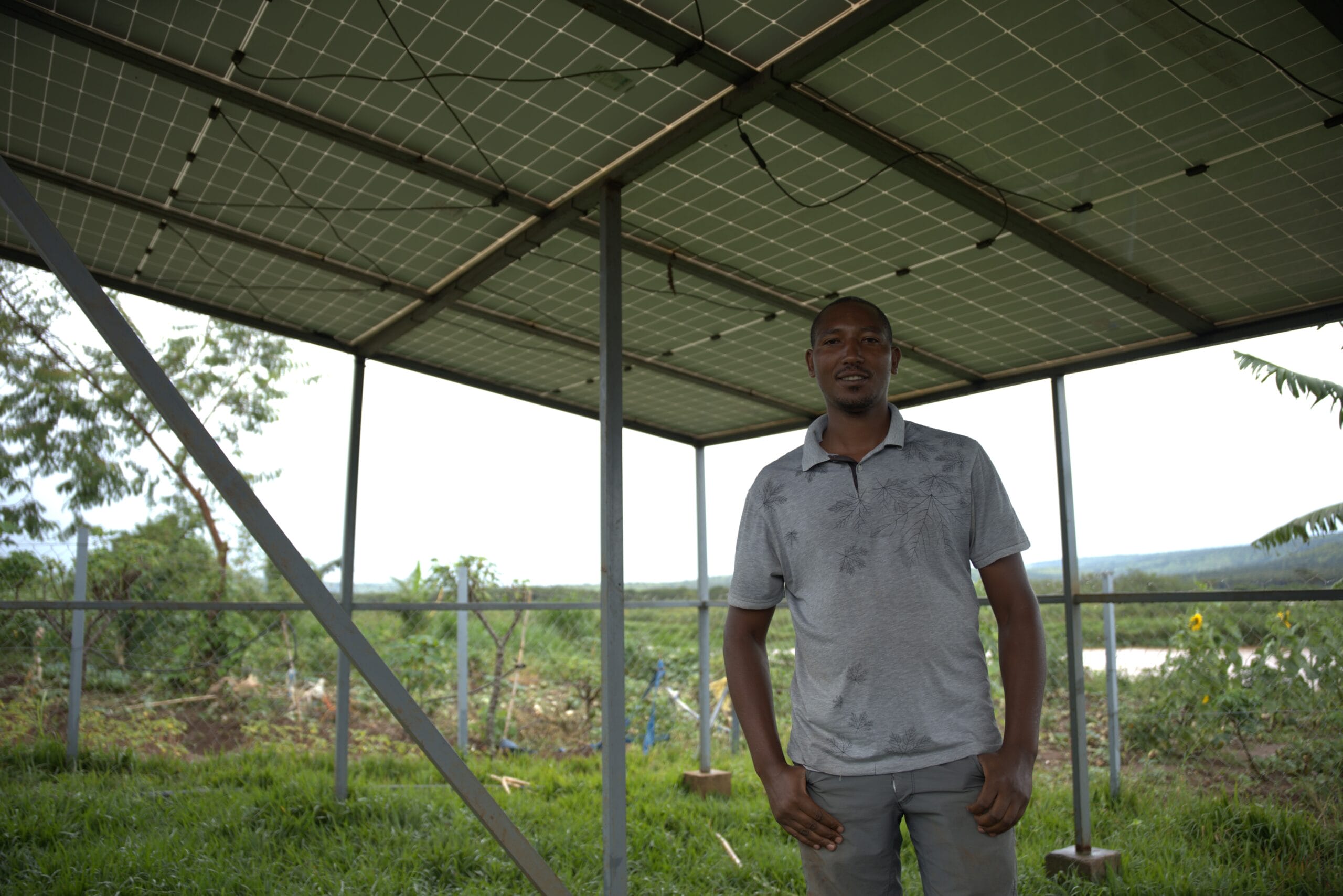
Hundreds of people in Rwanda’s refugee camps and surrounding host communities are building more resilient livelihoods through solar-powered businesses.
Now, the project behind that success is providing valuable lessons that could help improve future programmes.
As the work comes to an end, the experiences of entrepreneurs, suppliers and project partners are helping shape future renewable energy initiatives by showing what worked, what didn’t and where programmes can be improved.
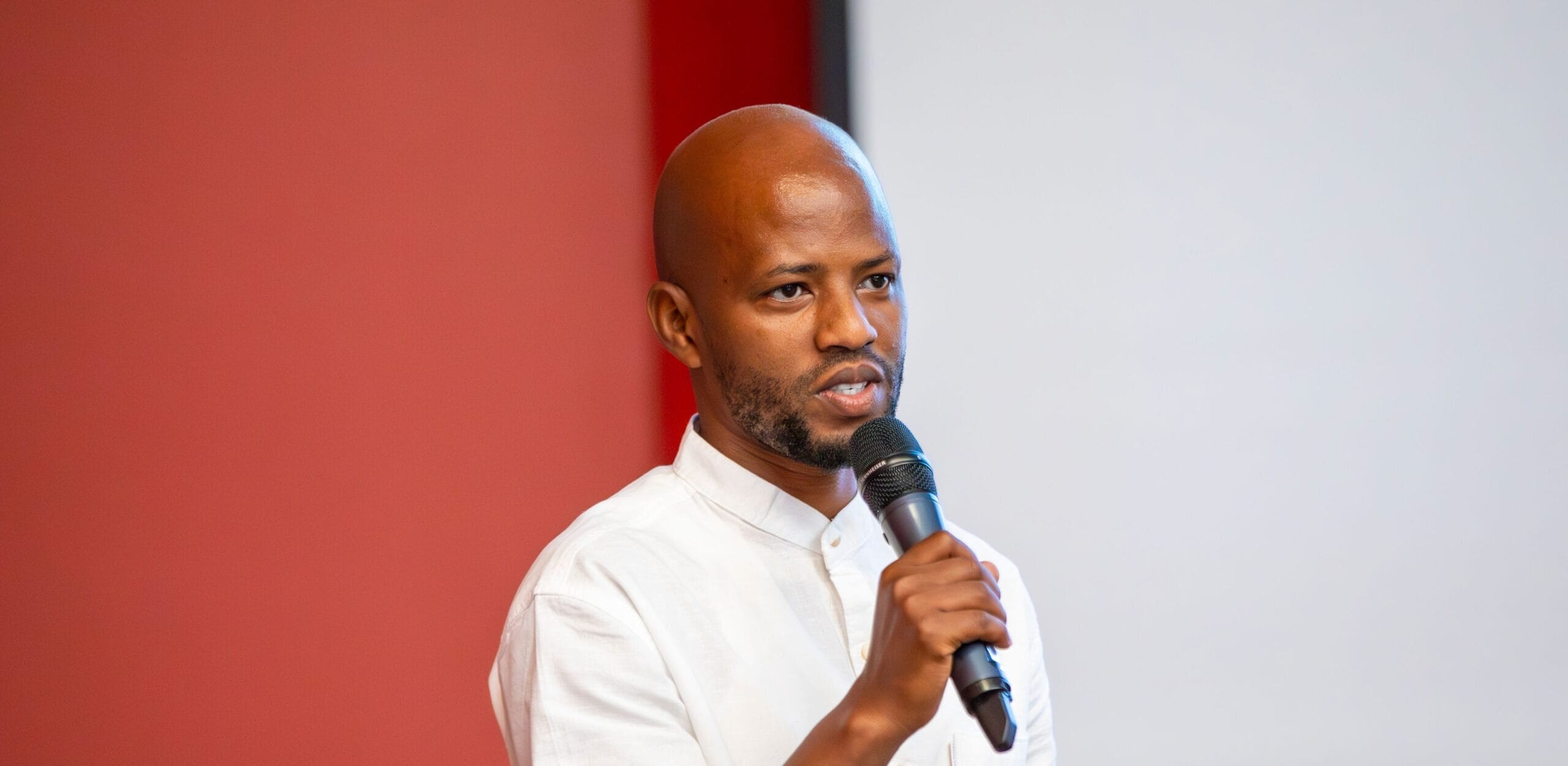
Robert Mutalindwa, Humanitarian Productive Use of Renewable Energy Project Manager, said:
“These lessons go beyond one project. They give us practical evidence on how to better support entrepreneurs to adopt renewable energy, grow their businesses and improve their incomes.”
We will use these insights to shape future investments and partnerships so the impact can be sustained and expanded.
To achieve these results, the work was delivered across the Mahama, Kiziba and Nyabiheke refugee camps and surrounding host communities in Rwanda between 2024 and 2026. By providing subsidised access to solar-powered refrigerators, freezers, grain mills, sewing machines, barber kits and other business equipment, it helped entrepreneurs start or expand businesses and improve their incomes.
The experience showed that supporting entrepreneurs with clean energy is about much more than providing technology. From choosing the right products to designing finance that works for local communities, the project highlighted several ways future programmes can deliver even greater impact.
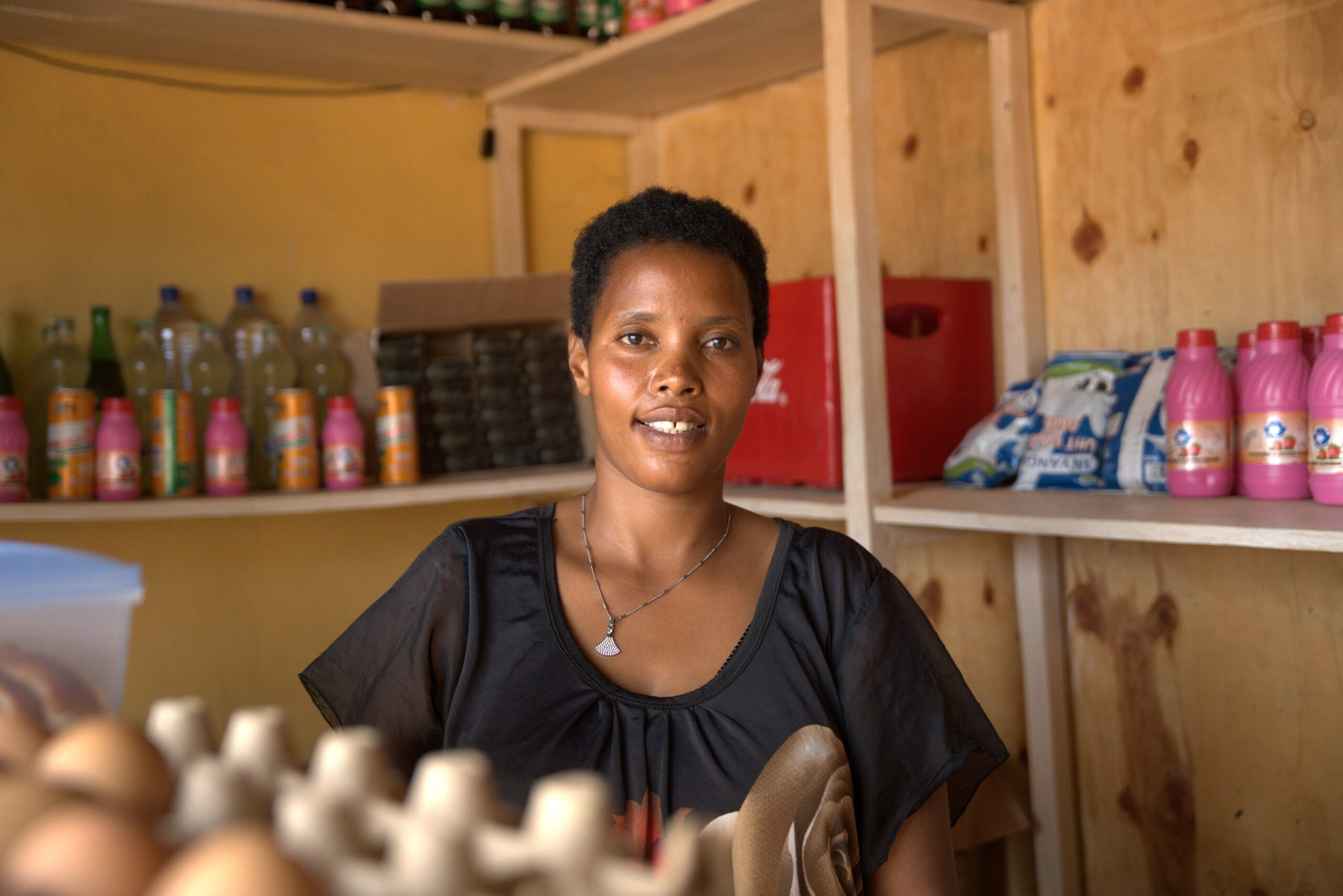
For entrepreneurs like Nadine Umutoni, who runs a restaurant and shop in Mahama Refugee Camp, the project has helped create new opportunities for the future.
“I feel the future will be good. You can’t just sit and expect the future to be good; you have to work hard and work with a goal. My goal is to keep growing my business so customers can always find what they need, and to give my children the opportunity to study well and choose the future they want.”
The £600,000 Humanitarian Productive Use of Renewable Energy (H-PURE) project was funded by the British High Commission Kigali, the UK Government through the Transforming Energy Access platform, and the IKEA Foundation, and implemented by Practical Action in partnership with Energy Saving Trust, co-secretariat of Efficiency for Access.