View the Project
The Casamance estuary is one of West Africa’s richest coastal ecosystems. Its mangroves, wetlands and marine habitats protect shorelines, sustain biodiversity and support the livelihoods of thousands of people who depend on fishing, agriculture and local natural resources. Yet rising sea levels, coastal erosion and climate change are placing increasing pressure on these ecosystems, threatening both the environment and the communities that rely on it.
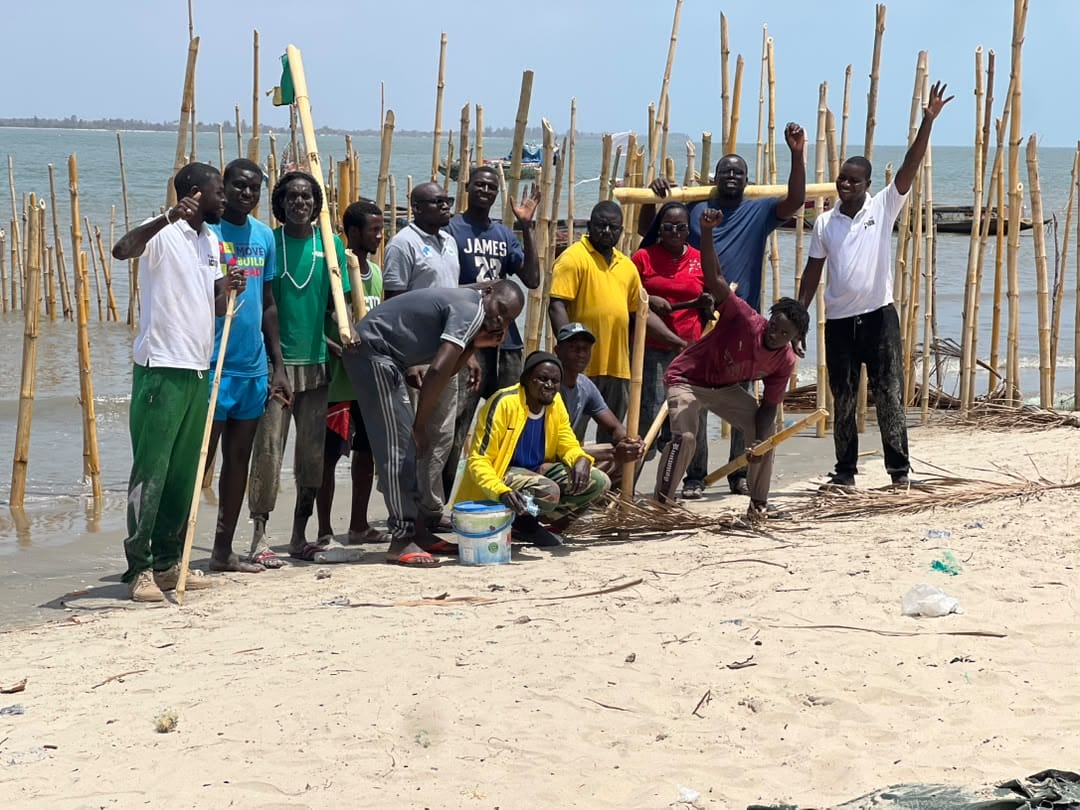
The RESILAO project will work with communities on Diogué Island and its surrounding coastal areas to strengthen resilience through an integrated ecosystem-based adaptation (EbA) approach. By combining ecological restoration, nature-based coastal protection, participatory governance and local capacity building, the project will help restore vulnerable ecosystems while reducing climate risks and supporting more resilient livelihoods. In doing so, it aims to demonstrate how healthy coastal ecosystems and strong community involvement can provide a model for climate adaptation across West Africa.

2025 – 2027

Senegal
Climate resilience
Located in Senegal’s Lower Casamance, Diogué Island forms part of one of West Africa’s most important coastal ecosystems. Mangrove forests, wetlands and marine habitats support biodiversity, protect the coastline from erosion and provide the natural resources that sustain local communities.
These ecosystems are increasingly under pressure. Rising sea levels, stronger coastal erosion and more frequent extreme weather events are accelerating environmental degradation, while growing pressure on natural resources further weakens the resilience of coastal landscapes. As ecosystems deteriorate, communities become more exposed to climate risks, threatening livelihoods, infrastructure and food security.
Protecting coastal communities therefore requires a new way of working with nature. Rather than intensifying resource extraction, nature can be seen as an ally in addressing these challenges. Restoring natural systems can help reduce climate impacts. Healthy mangroves and coastal habitats can stabilise shorelines, buffer storm surges, support fisheries and improve the long-term resilience of coastal economies.
The RESILAO project aims to demonstrate how ecosystem restoration and community-led governance can work together to protect both people and nature while generating knowledge that can be applied in other vulnerable coastal areas across West Africa.
Full title: Strengthening the resilience of vulnerable ecosystems and communities to the effects of coastal and marine erosion in the Casamance estuary: the case of Diogué Island and its hinterland.
Dates: 2025 – 2027
Location: Diogué Island, Lower Casamance, Senegal
Our role: Practical Action is responsible for coordinating the project, developing partnerships, and fostering synergy with national and local institutions. We will ensure the quality control of reports and the consistent implementation of the project.
Participants: Coastal communities, women’s organisations, young people, local authorities, marine protected area managers, community leaders and institutional partners.
Project budget: US$100,000
Implementing partners: École Polytechnique de Thiès (EPT) and GIPS/WAR
Funded by: PRCM (Regional Partnership for the Conservation of the Coastal and Marine Zone in West Africa)
Healthy ecosystems are one of the most effective ways to reduce coastal climate risks. Because of this, through an EbA approach, the project will focus on:
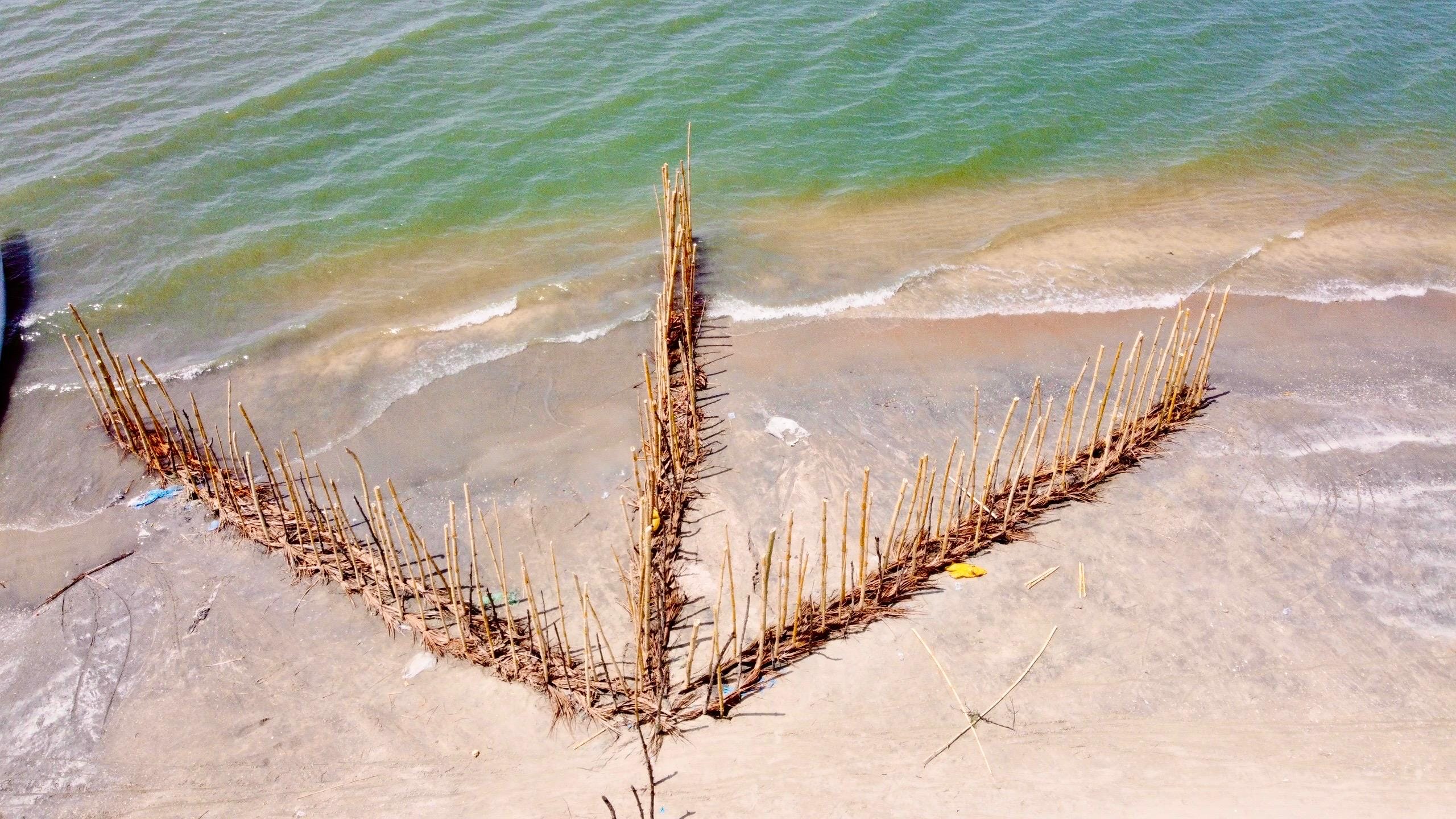
Together, these actions will contribute to healthier coastal ecosystems, reduced climate risks and more resilient livelihoods for communities living along Senegal’s coast.
Help us work with communities to tackle some of the world’s toughest problems.