View the Project
Young people can play an essential role in sustaining the forests and agroforestry systems of the Bolivian Amazon. Yet many indigenous youth have limited opportunities to develop technical skills, add value to local products or build livelihoods beyond family farming. This restricts their economic participation, the long-term potential of local bioeconomy value chains, and their opportunities to shape fulfilling futures within their own communities.
The Amazonian Youth Bioeconomy Schools & Labs project will work with around 500 young people from Tsimane and Mosetén communities across the municipalities of Palos Blancos, Rurrenabaque and San Borja. By combining practical training, shared innovation spaces and strong local partnerships, the initiative will help young people develop the skills, confidence and opportunities to participate more actively in sustainable forest-based economies. In doing so, it aims to strengthen resilient livelihoods, support standing forests and develop a model that can be replicated across other parts of the Amazon.

June 2026 – May 2029

Bolivia

Food & agriculture
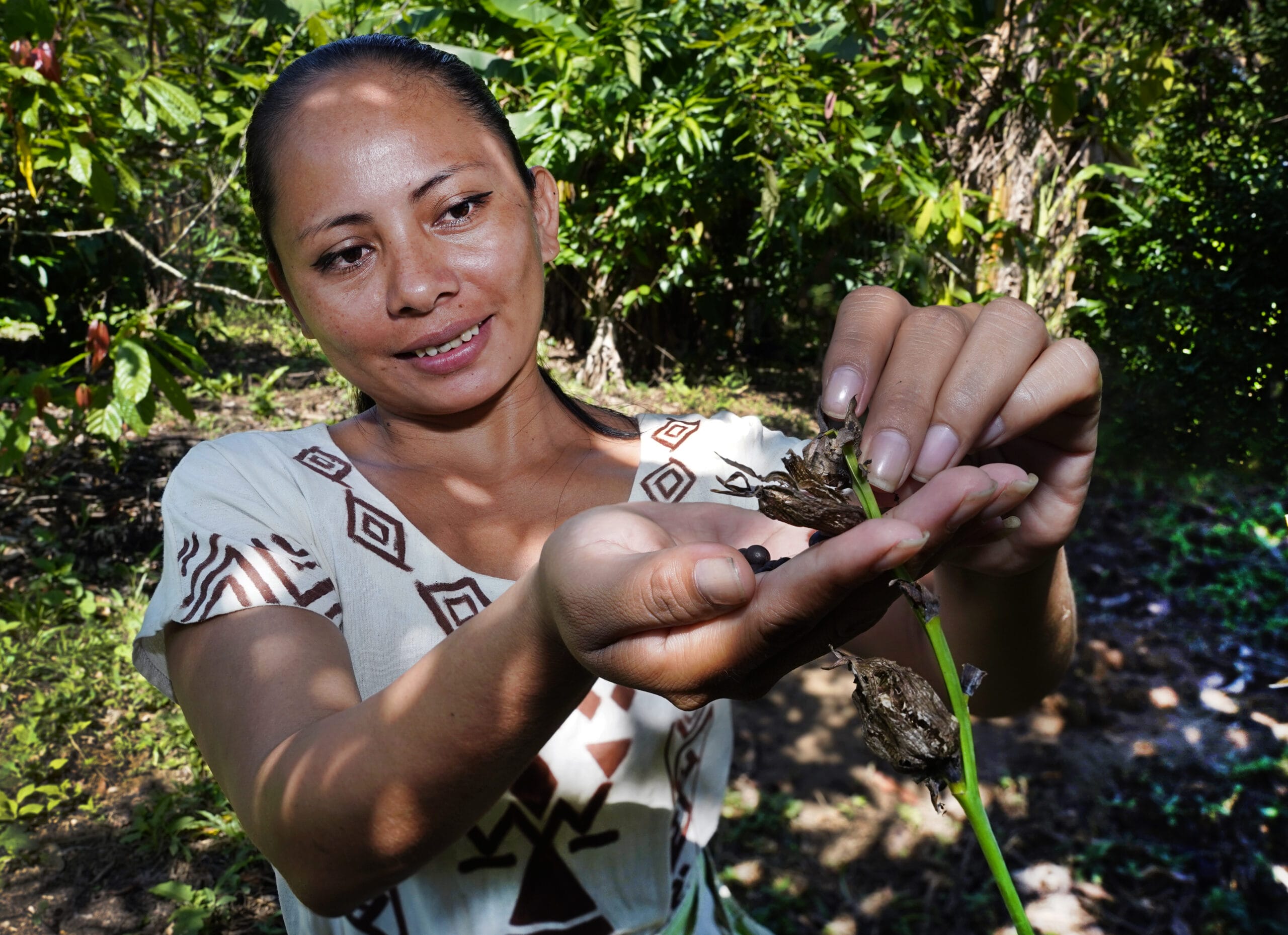
The municipalities of Palos Blancos, Rurrenabaque and San Borja form part of an important agroforestry and forest-based production corridor in northern Bolivia. Coffee, cocoa and diversified agroforestry systems are well established, while products such as açaí, majo, copoazú and other Amazonian fruits contribute to local livelihoods and regional markets. These productive landscapes support both household incomes and the conservation of standing forests.
Indigenous young people already play an active role in these production systems, but their participation is often limited to unpaid or low-value agricultural work within family farms. Opportunities to engage in product processing, quality control, marketing or collective enterprise development remain scarce, particularly in remote communities where access to technical training, productive equipment and innovation spaces is limited. Young women often face additional barriers to participating in economic activities and leadership roles.
Digital skills also present a growing challenge. While mobile phones are widely used for communication, opportunities to develop practical digital skills for production management, market access and business coordination remain limited, and internet connectivity continues to be constrained in many communities.
Expanding opportunities for indigenous youth is essential not only for creating more resilient livelihoods, but also for strengthening the long-term sustainability of Amazonian bioeconomy value chains and ensuring that agroforestry knowledge and forest-based livelihoods continue across generations.
Full title: Amazonian Youth Bioeconomy Schools & Labs
Dates: June 2026 – May 2029
Location: Palos Blancos (La Paz), Rurrenabaque (Beni) and San Borja (Beni), Bolivia
Our role: Practical Action leads the project in partnership with the Tsimane Mosetén Regional Council (CRTM) and the municipal governments of Rurrenabaque, San Borja and Palos Blancos.
Participants: Around 500 young people from T’simane and Mosetén communities.
Project budget: £300,000
Coordinated with: Consejo Regional Tsimane – Mosetén and Organización de Pueblos Indígenas Mosetén, and municipalities of Ruerrenabaque, San Borja, Palos Blancos.
Funded by: This initiative is supported by the LACT Programme, implemented by The Karlsson Játiva Charitable Foundation
Expanding opportunities for indigenous youth requires more than technical training alone. Young people also need access to practical experience, productive equipment, supportive networks and opportunities to turn new skills into economic activities.
To address these interconnected challenges, the project combines two complementary approaches:
The project will be implemented by Practical Action Bolivia in partnership with the T’simane Mosetén Regional Council (CRTM) and the municipal governments of Rurrenabaque, San Borja and Palos Blancos. These partnerships will help ensure that activities respond to local priorities while strengthening indigenous participation and local ownership.
Together, the Schools and Laboratories will create a practical learning-to-enterprise model that strengthens youth participation in Amazonian bioeconomy systems while generating evidence for replication in other forest landscapes
By combining indigenous knowledge, sustainable agroforestry practices, entrepreneurship and digital innovation, the project will create new economic opportunities for young people while contributing to forest conservation, community resilience and long-term inclusive development in the Bolivian Amazon.
Help us work with communities to tackle some of the world’s toughest problems.