View the Project
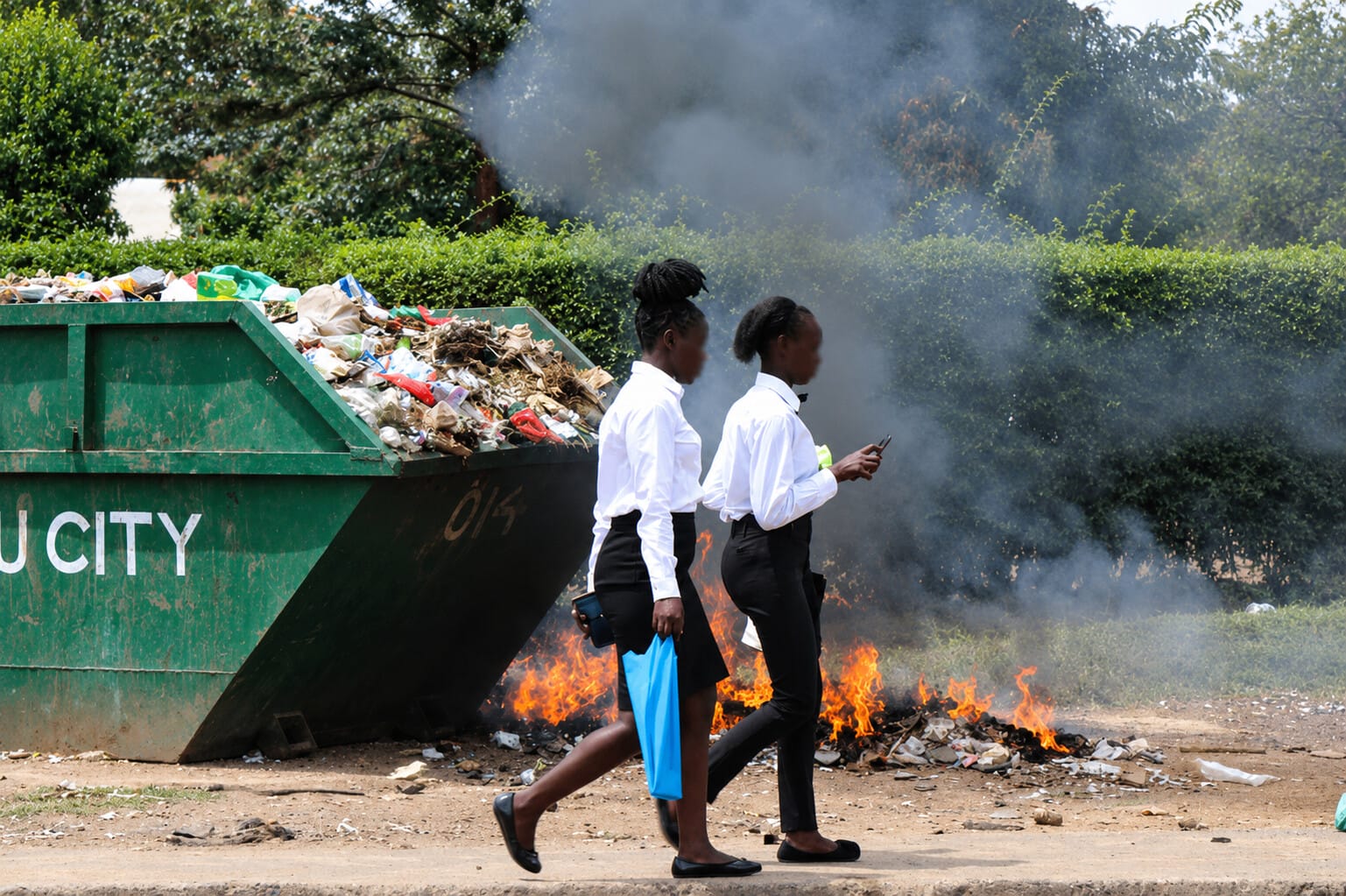
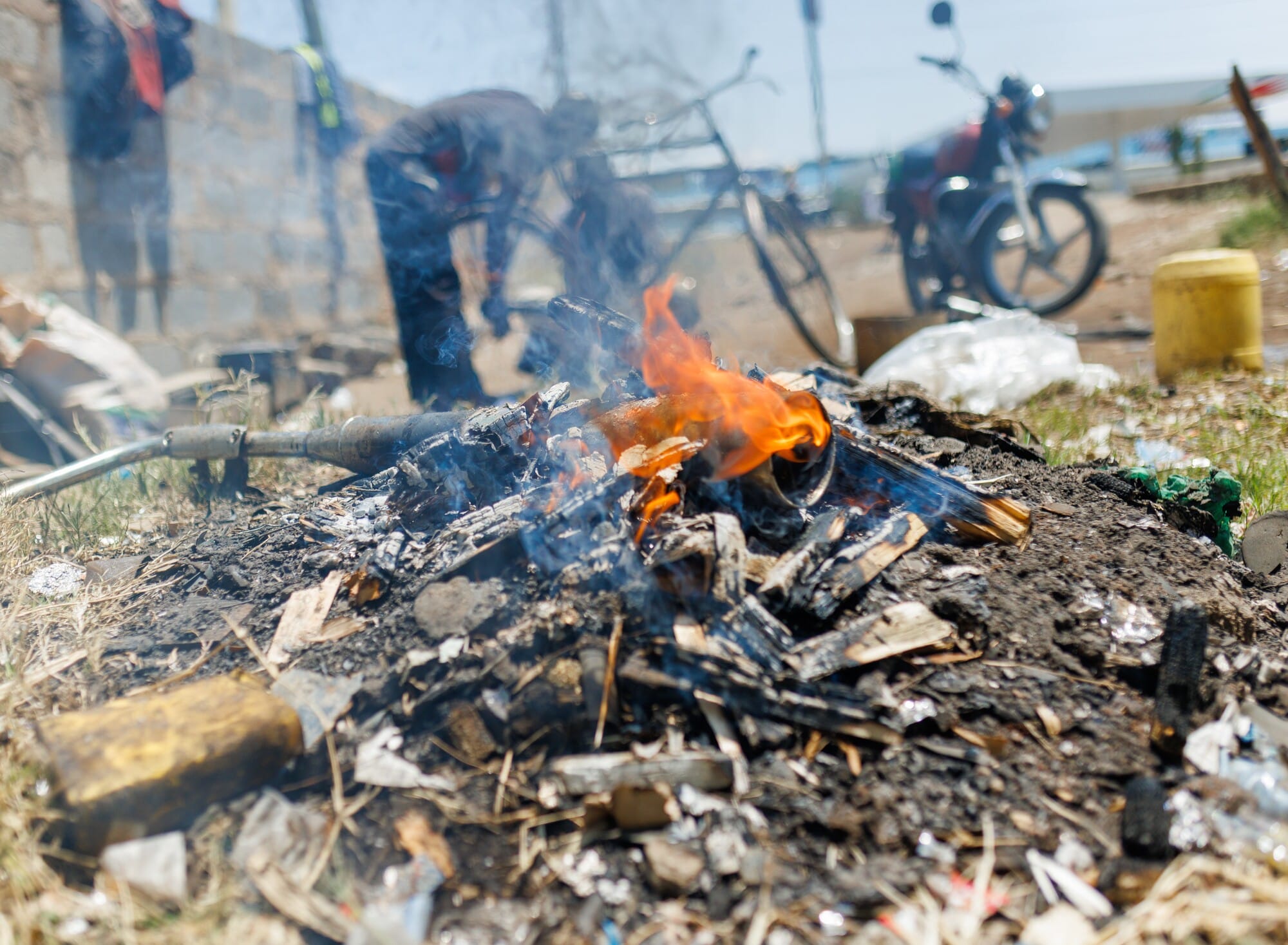
Across many fast-growing cities in Africa, Asia and Latin America and the Caribbean, waste is still openly burned, especially where collection services are limited, unaffordable or unavailable. The smoke harms people’s health, contributes to climate change and destroys materials that could otherwise be reused or recycled.
Through the Transformative Action to End Open Burning of Waste project, we worked with partners to develop regional roadmaps that governments and city authorities can adapt to their own situation and use to develop local plans to reduce open waste burning.
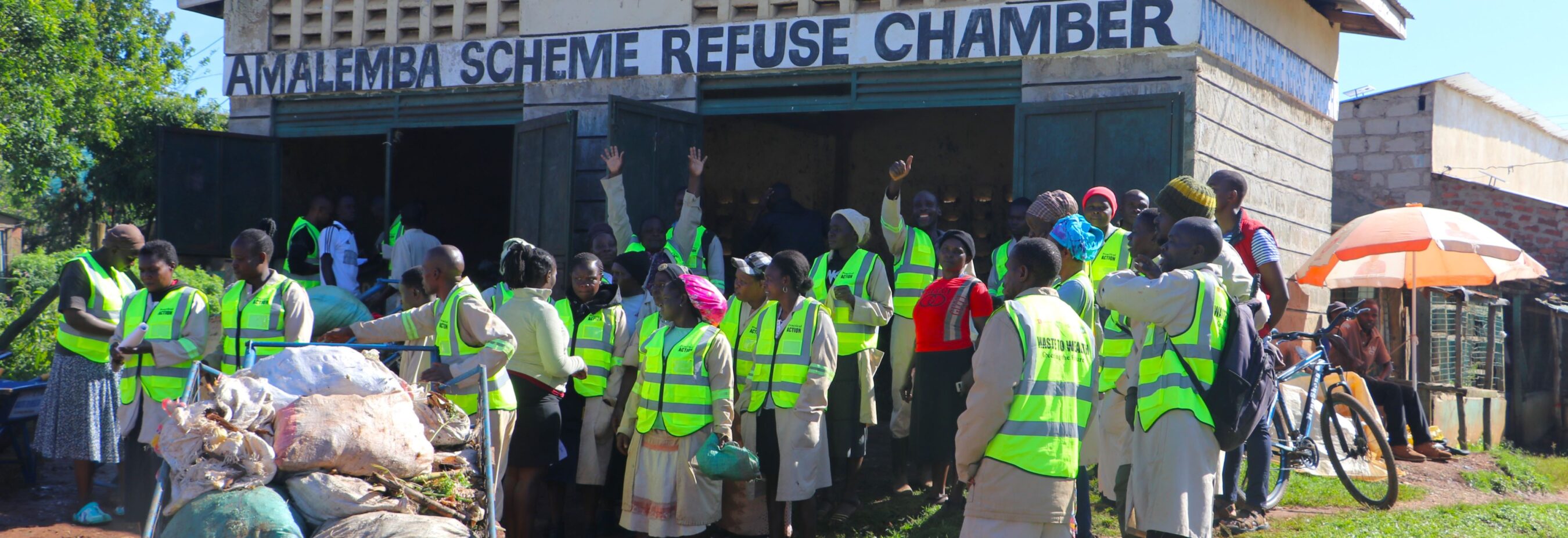
In Kenya, Kisumu became the first city to pilot the Africa Regional Roadmap, which aims to reduce open burning by 60% by 2030. We worked with Kisumu City, waste groups, recyclers and other organisations to develop a city action plan using local data and input from people involved in waste management. The city then began carrying out parts of the plan. Through the project, 3,000 households stopped burning their waste, enrolled in collection services provided by informal waste collectors and began separating their waste. The city also increased its waste management budget.
Kisumu shows how a regional roadmap can guide practical action at city level. Further investment would help Kisumu carry out more of its plan and support other cities to develop and fund plans that fit their own needs.

April 2024 to March 2026

Kenya
WASH & waste
Local authorities often lack enough funding, equipment and information to collect and dispose of growing amounts of waste safely. Informal waste workers help fill these gaps but are not always included in city planning. In Africa, up to 90% of waste is openly dumped or burned.
Open waste burning damages both people and the environment. Open waste burning releases black carbon, tiny particles and other toxic pollutants. These pollute the air, contribute to climate change and increase the risk of chest, heart and other health problems. Across Africa, air pollution from all sources is linked to more than one million premature deaths each year.
Burning also destroys materials that could be collected, reused or recycled, reducing income opportunities for waste workers and recycling businesses.
In Africa, Practical Action’s city-level work focused on Kisumu, Kenya’s third-largest city and a major commercial centre. The city has around 600,000 residents, many of whom live in low-income neighbourhoods where waste collection is weak. In 2024, Kisumu generated around 272 tonnes of municipal waste each day, but only about 27% was collected and 6% recycled. Half of households burned, buried or openly dumped at least some of their waste, rising to 68% in low-income settlements. An estimated 23 tonnes of waste was burned each day.
Despite these challenges, Kisumu already had an existing network of waste collection groups, recyclers and local markets for recovered materials. Building on these existing strengths offered an opportunity to reduce open burning while improving public health, protecting the environment and improving local livelihoods.
Full title: Transformative Action to End Open Burning of Waste
Dates: April 2024 to March 2026
Location: Africa, Asia and Latin America and the Caribbean. Practical Action’s intervention took place in Kisumu, Kenya.
Our role: Practical Action was part of a consortium with Engineering X, UN-Habitat, the Institute for Global Environmental Strategies and the International Solid Waste Association. In Kenya, we worked with Kisumu City and local partners to translate the Africa Regional Roadmap into a city action plan to reduce open waste burning and dumping.
Participants: 3,000 households benefited directly. Participants included governments, city authorities, households, waste picker groups, community health promoters, landlords, caretakers, schools, recyclers, off-takers, development partners and other organisations involved in waste management. In Kisumu, activities focused on low-income and underserved settlements.
Budget: £961,000 ($1.3 million)
Theme: Climate resilience
Funded by: Climate and Clean Air Coalition
Reducing open waste burning requires reliable data, coordinated city planning and practical alternatives that involve people already working in waste collection and recycling.
The project worked at two levels. At the regional level, partners developed roadmaps for Africa, Asia and Latin America and the Caribbean. These set out practical steps that national and local authorities can adapt, using their own data and input from people involved in waste management. The project also mapped potential funders and financing options that governments and cities could explore to put the roadmaps into action.
In Kisumu, the city adapted the Africa Roadmap to local conditions through four main areas:
In March 2026, Kisumu was recognised by the United Nations as one of the inaugural “20 Cities Towards Zero Waste”, reflecting the city’s progress in boosting waste collection, reuse and recycling. Our work in the project contributed to this progress through the city action plan and related waste management improvements.
The overall project has produced regional roadmaps, a city action plan for Kisumu and practical experience that governments can use to reduce open burning and dumping of waste. The priority now is to build on this work by:
Continued funding can help extend this work in Kisumu and other cities, contributing to the Africa Roadmap targets of reducing open burning by 60% by 2030 and eliminating it by 2040.
To explore partnership opportunities, contact us at: [email protected]

Help us work with communities to tackle some of the world’s toughest problems.