If I could get a solar light, it would help us a lot. It would make us feel safer at night and allow my grandchildren to study.
Malita Zefinati
We look at what this inequality means on the ground and what needs to be done to address it.
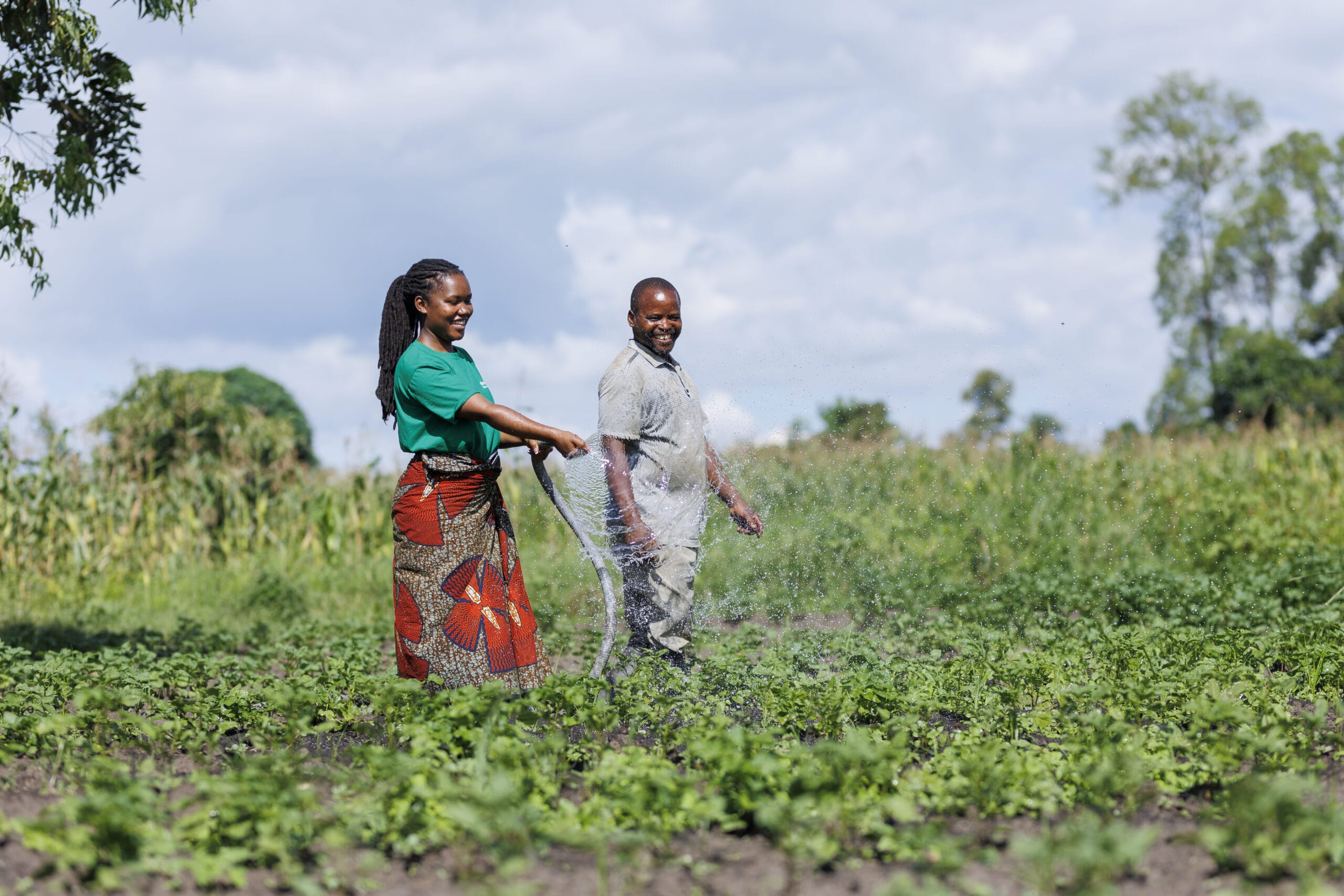
Across Africa, Asia and Latin America, women are the backbone of food systems.
They plant seeds, tend crops, process harvests and sell produce in local markets that sustain families and communities.
Globally, women produce up to half of the world’s food, and many do so as smallholder farmers working small plots of land with limited access to finance, tools and markets. This often leaves them more exposed to changing weather and rising costs.
Yet when climate finance (the funding meant to help people adapt to climate change and build resilience) is distributed, women farmers receive only a tiny fraction.
Research shows that only a small share of global climate finance reaches small-scale farmers, where many women work.
The scale of the missed opportunity is staggering. The UN Food and Agriculture Organisation estimates that if women had the same access as men to land, finance and farming resources, farm yields could increase by up to 30 percent, reducing hunger for as many as 150 million people.
This is because women farmers are often denied equal access to credit, quality seeds, tools and training that help farms produce more food.
The opportunity is clear. The evidence is strong. But the investment does not match the need. Let’s look at why that is.
For more than a decade, wealthy nations have pledged to mobilise $100 billion per year in climate finance. That target was delayed for years and remains insufficient compared to the scale of climate impacts.
The UN Environment Programme estimates that developing countries will need more than $300 billion annually by 2035 for adaptation alone. Yet adaptation finance currently represents only a fraction of that amount, and within that limited funding even less reaches smallholder women farmers directly.
This is often because many women farmers do not own the land they work, have limited access to finance, and live in rural areas that large funding programmes struggle to reach.
This is not just a funding gap. It is a justice gap.
If I could get a solar light, it would help us a lot. It would make us feel safer at night and allow my grandchildren to study.
Malita Zefinati
To understand what this inequality means to people, you simply have to stand in a field.
In Mtambo Village in Malawi, 65-year-old Malita Zefinati farms two acres of maize, groundnuts and cowpeas. Her harvest supports her children and grandchildren. She works the land by hand. She plans around the rains. She saves what she can.
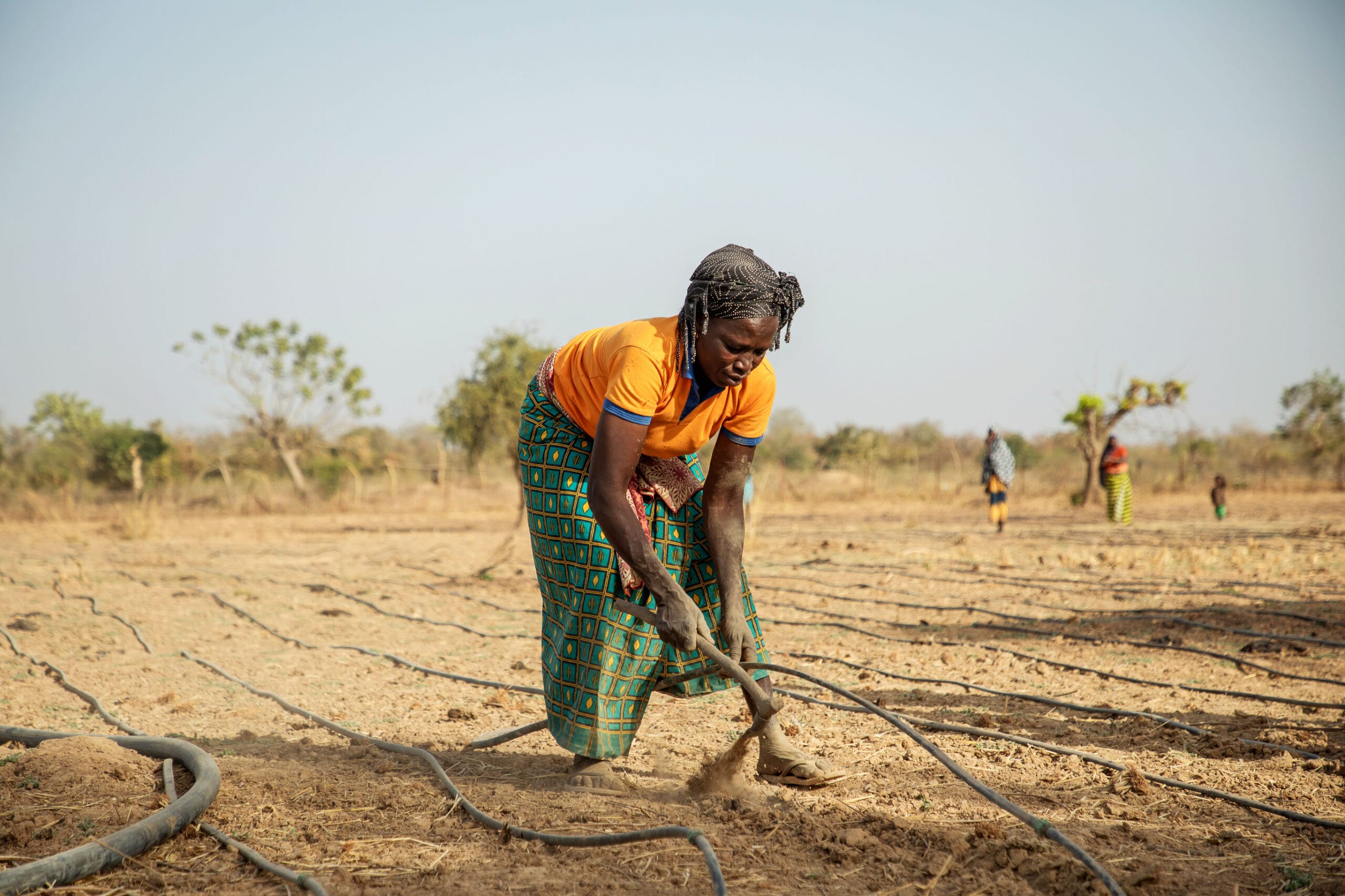
But climate change has made rainfall unpredictable. Heavy rain and floods wash away seedlings. Dry spells arrive without warning. With electricity access in Malawi at only about 15 per cent, most rural farmers cannot use electric pumps for irrigation, so watering crops becomes back-breaking work done by hand.
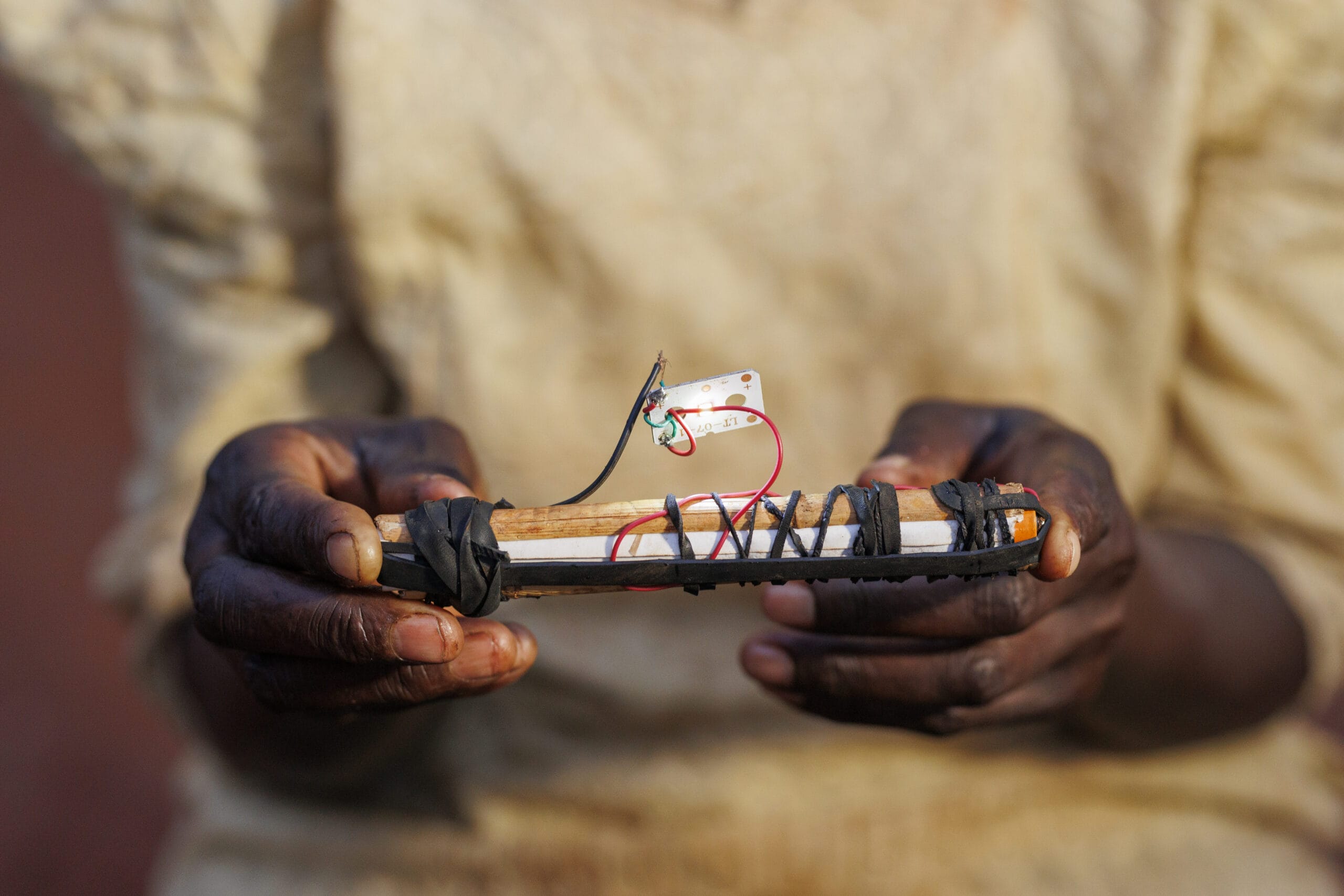
Malita’s household is part of the 85 per cent. At night, her family relies on a wooden battery torch. The light is dim and unreliable. Batteries must be replaced every few days. Her grandchildren struggle to study after sunset. Limited access to reliable energy also makes it harder for farming families like Malita’s to improve their livelihoods and adapt to changing weather.
“If I could get a solar light, it would help us a lot. It would make us feel safer at night and allow my grandchildren to study” Malita says.
She knows solar lights are sold by local women’s groups. She understands their value. She would invest if she could, but without affordable credit or flexible finance, the upfront cost is too high because when rainfall is uncertain, even small financial risks feel impossible.
Malita’s story is not about a lack of ambition. It is about a system that does not reach her.
Now let’s go to another field, this time in the village of Toécé in Burkina Faso.
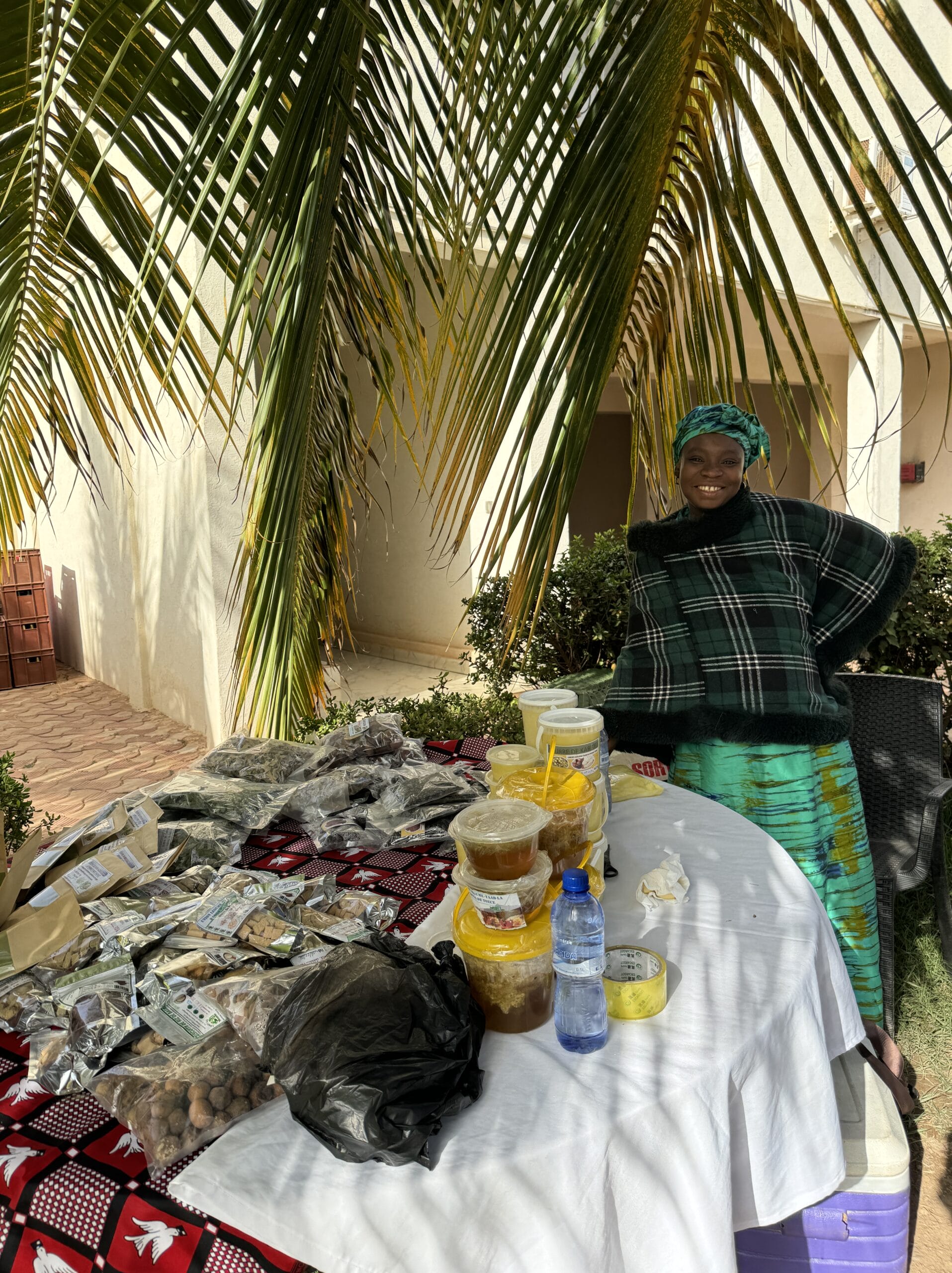
Awa Convolbo leads the Lagumtaab La Panga women’s cooperative in Toécé, producing shea butter. Like many rural communities, they lack connection to the national grid. Water access has been unreliable. Drought has intensified pressure on livelihoods.
Through Practical Action’s work with local partners, Awa and her cooperative received training in renewable energy and financial management. They adopted improved cookstoves that reduce firewood use and protect health. A new water pumping system improved irrigation. A knowledge exchange visit to Rwanda strengthened savings and governance practices. These changes have helped women farmers improve production and strengthen their resilience to changing climate conditions.
For women farmers like Awa and her cooperative, the impact has been practical and powerful: lower energy costs, improved productivity, stronger savings and greater confidence.
Awa said, “With reliable water and better tools, we work with more confidence. We are not just surviving, we are growing.”
Utamuvuna Mariette, Gender Advisor, Practical Action in Rwanda, said: “The contrast between Malita and Awa reveals the truth: women often have the solutions but lack the capital to scale them and respond to the challenges they face.
“In many cases they are already adapting to climate change, but by failing to support them, we are underfunding women, food security, climate resilience and economic growth across the globe.”
With reliable water and better tools, we work with more confidence. We are not just surviving, we are growing.
Awa Convolbo
The barriers women farmers face are structural.
First, in many countries women do not legally own the land they farm. Without land titles, they struggle to secure credit. Without credit, they cannot invest in renewable energy, irrigation or other climate-resilient technologies.
Second, climate finance systems are often designed around large infrastructure projects or national programmes. Application processes are technical and reporting requirements complex. Small, women-led cooperatives rarely have the capacity to navigate these systems, and women farmers are often the least likely to engage with local and national governments.
Third, adaptation funding, the very funding smallholder farmers most urgently need, remains under-prioritised. According to the Organisation for Economic Co-operation and Development (OECD), adaptation represents only a minority share of total climate finance.
Fourth, even when climate finance is delivered, it often fails to reflect the needs of women farmers. As a result, women receive a smaller share of resources, and existing funds are poorly targeted to address the challenges they face.
This is not only about how much money flows. It is about who the system is designed to serve.
In many cases they are already adapting to climate change, but by failing to support them, we are underfunding women, food security, climate resilience and economic growth across the globe.
Utamuvuna Mariette
A fairer climate finance system is possible.
Imagine adaptation funding that reaches women-led cooperatives directly. Affordable credit for solar irrigation and water management. Renewable energy embedded into food system planning. Digital tools that connect farmers to markets and weather forecasts.
We are already seeing what works.
In western Nepal, women farmers are going digital, using technology to improve market access, start banking and investing, and strengthen resilience through targeted training. Through Practical Action’s Digital Finance programme, more than 7,000 women have gained digital and financial skills, helping them access banking services and manage their finances more independently.
When women gain access to energy, finance and information, they increase production, stabilise incomes and invest in their families.
Research consistently shows that when women control income, more is spent on food, education and health. The blueprint for change is clear.
At COP30 in Belém, governments made some progress by recognising the importance of women in climate action through the new Belém Gender Action Plan. But progress fell far short of what is needed.
The conference did not deliver meaningful new climate finance targeted at women farmers, and adaptation funding, where their needs are greatest, remains severely underfunded.
As many observers have noted, the gap between commitments and real investment remains wide.
This is not just a policy failure. It is also a missed investment opportunity. Food systems cannot be resilient if half their workforce is underfunded. Efforts to tackle climate change cannot succeed if they overlook women farmers. And global promises cannot claim fairness if they fail to reach those most affected.
If climate finance is to support women farmers and strengthen livelihoods, it must change not just in volume, but in how it works. Governments, donors and financial institutions must:
On International Women’s Day, celebration is important. But structural change is essential.
We invite governments, donors, businesses and partners to work with us. Support our advocacy for fairer climate finance systems. Invest in solutions that reach women farmers directly. Help us build food systems that are resilient, inclusive and sustainable.
Because when women farmers thrive, communities thrive. And when communities thrive, the world is better prepared for the climate challenges ahead.
At Practical Action, we support communities to forge their own futures with solutions that foster resilience, create jobs and lasting prosperity.
Across our work, this includes:
We are demonstrating what works locally and pushing for systems that scale it globally.