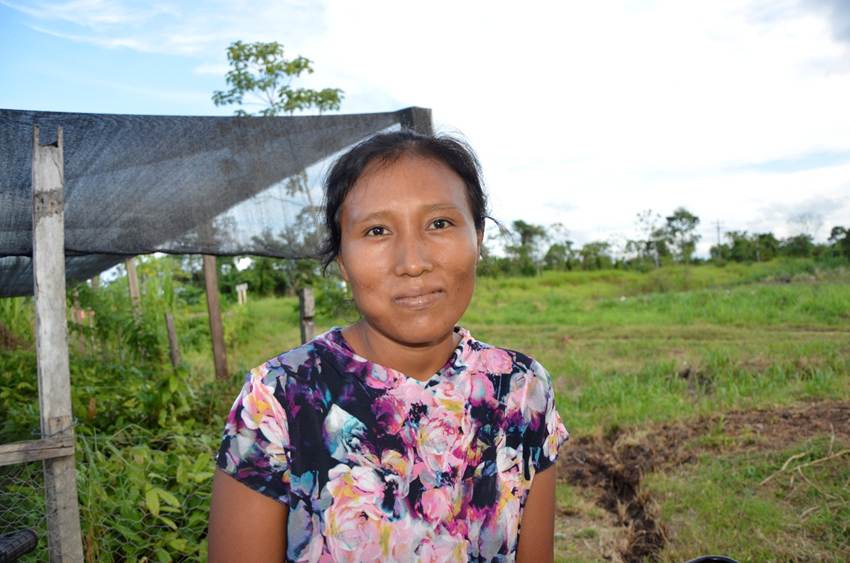
Learning to manage fire is the most important thing we all need here in the community.
Vilma
We’ve been working with Indigenous communities in the Bolivian Amazon to tackle the growing wildfire crisis since 2025. Together we’re combining centuries of traditional ecological knowledge with modern fire prevention and land management techniques.
Now, that work has a new dimension. A series of community capacity building workshops is equipping local people with practical skills in integrated fire management. These range from early warning systems and controlled burns to agroforestry and post-fire recovery. The aim is both to protect forests and livelihoods from the next fire and to build lasting climate resilience that communities can own and pass on for generations.
Across Bolivia and much of the Amazon, wildfires are becoming more frequent and more destructive. Decades of deforestation have stripped away the natural buffers that once slowed the spread of fire. As forests shrink, soils dry out faster, temperatures rise and communities whose livelihoods depend directly on the land, are left increasingly exposed. For indigenous communities living closest to the forest, the consequences are felt hardest.
In 2023, in the indigenous community of Bajo Colorado, a wildfire swept through without warning, destroying crops, homes and livelihoods.
Vilma Alameda was in the school where she works as a teacher when the alarm sounded. Within minutes, the whole community was fighting the flames with shovels, machetes and buckets of water drawn from the river.
“All the community members, the women, even the children, went to fight the fire,” Vilma recalls. “We couldn’t beat the fire… that day was very desperate, we didn’t know what to do.”
The fire reached the cacao plantations and destroyed many people’s livelihoods. It was a terrible event, but Vilma took a very practical and action-oriented lesson from it: “Learning to manage fire is the most important thing we all need here in the community.”
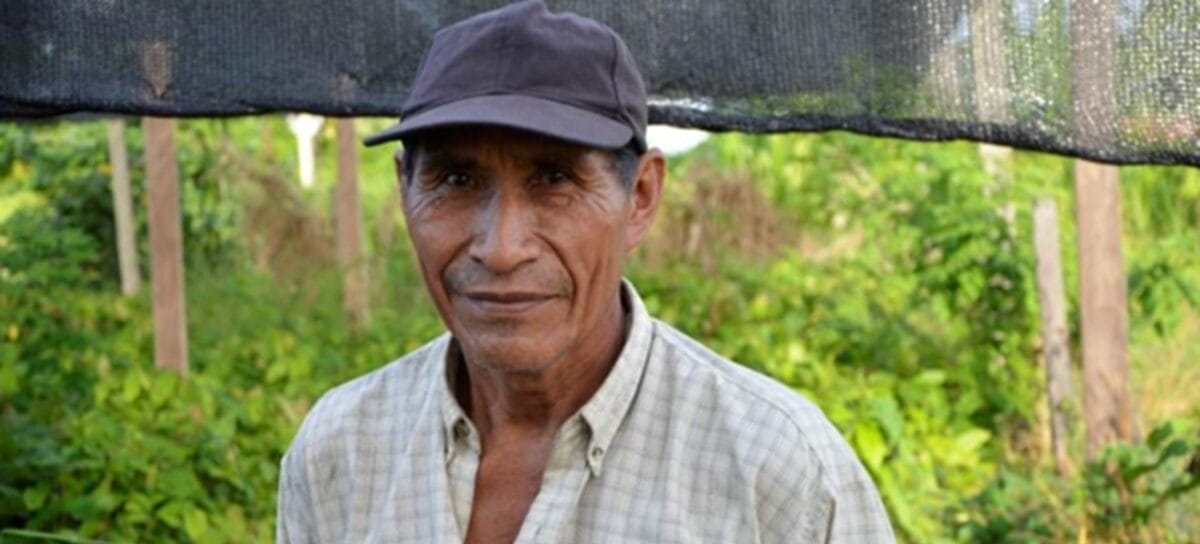
Lorenzo Miro, a farmer, lost everything that year. He had just finished building a house for his family and it was destroyed along with much of his farmland and the equipment and tools he relies on for income. “I felt sad, because who’s going to give me anything, where am I going to get the money?” he says, remembering having to borrow tools just to start over.
But Lorenzo also channelled that loss into something lasting. He advises his grandchildren on how to prevent fires and has rebuilt his livelihood. He has returned to planting corn, rice, plantains and cacao, and speaks with quiet pride about the fields he’s rebuilt.
Learning to manage fire is the most important thing we all need here in the community.
Vilma
These stories reflect a wider shift happening across Bajo Colorado and neighbouring communities, a shift we hope to be accelerated thanks to the new workshops we’re hosting across the area.
The goal isn’t to eliminate fire from community life, but to manage it more safely, protect what matters most, and build the kind of resilience that lasts from one generation to the next.
Projects like this depend on your support – thank you for standing by people on the front line of climate change.