Heat early warning systems help turn forecasts into early action, giving communities the chance to stay safe and protect those most at risk.
New research which warns billions could face dangerous living and working conditions by 2050, has combined with the UK’s highest ever May temperature to highlight growing concerns about extreme heat.
The research conducted by the University of Oxford found that around 3.79 billion people could be living with extreme heat by 2050 if global temperatures rise by 2°C above pre-industrial levels, a scenario climate scientists warn is becoming increasingly likely.
While extreme heat has often been seen as a greater challenge for countries in Africa, Asia and Latin America, rising temperatures are increasingly affecting communities around the world. In recent years, Europe has experienced some of its hottest summers on record, with extreme temperatures, droughts and wildfires becoming more frequent and widespread.
In the UK, the Climate Change Committee has repeatedly warned that the country’s preparations for climate change are not keeping pace with growing extreme weather risks, including heatwaves and droughts.
Extreme heat is a period of unusually hot weather that can affect people’s health, livelihoods and access to essential services. Unlike floods or storms, impacts often build gradually, which causes it to be often overlooked, despite the serious challenges it creates.
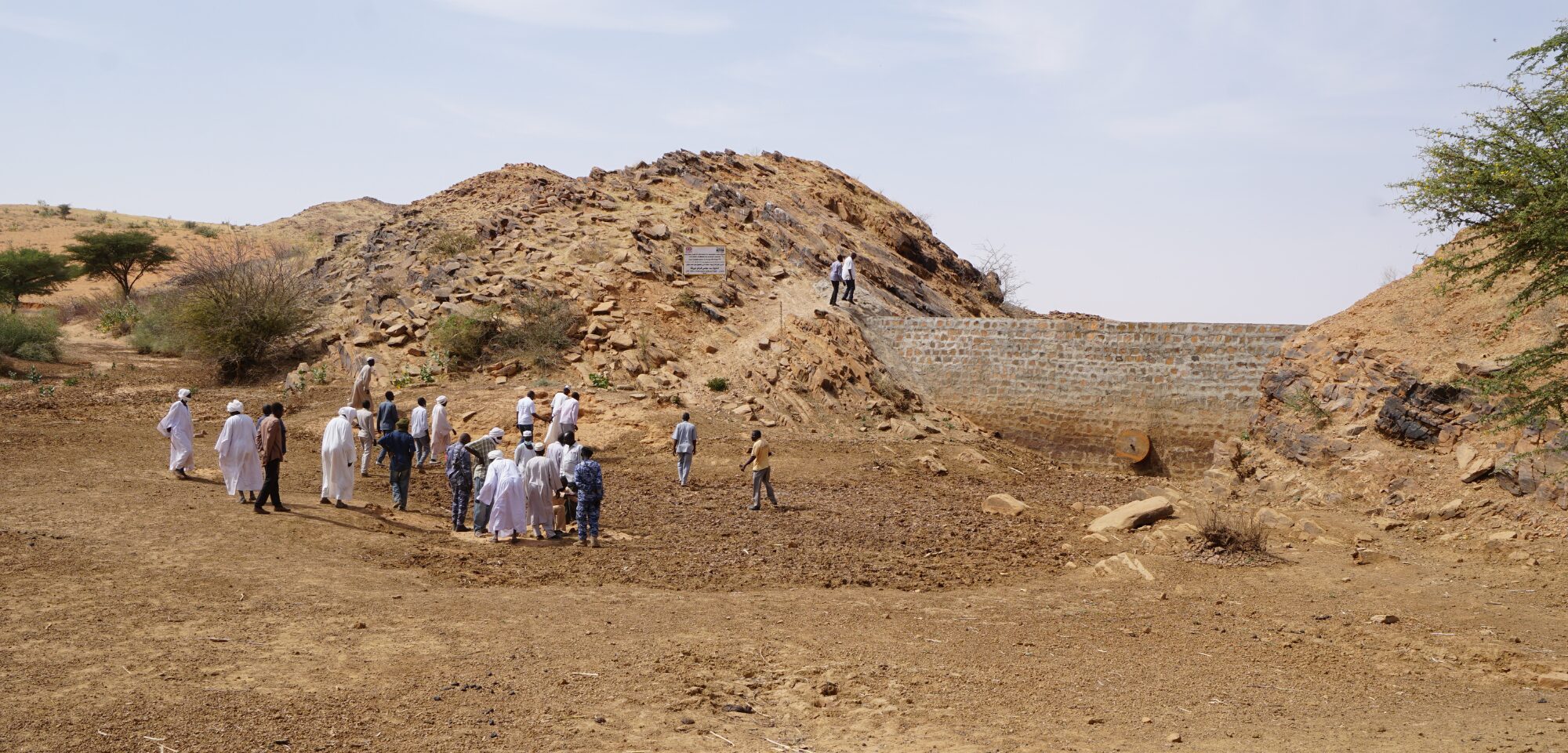
For communities already living on the frontline of climate change, rising temperatures are making daily life increasingly difficult. Crops are failing, water sources are coming under pressure, health risks are increasing, and outdoor work is becoming more dangerous.
In response, Practical Action is working with communities across the globe to better understand the global landscape of heat early warning systems.
Through work with the Zurich Climate Resilience Alliance, a new report has been produced which reviews the current state of heat early warning systems worldwide and presents ten recommendations to strengthen them.
Key priorities include embedding locally-led approaches; improving the understanding of heat risk and refining the metrics and thresholds; which trigger warnings, which should lead to timely, coordinated actions through national and local Heat Action Plans.
Originally focused on flooding, the Alliance is focused on enhancing resilience to climate hazards in both rural and urban communities across a wider range of climate risks, recognising that these hazards are often connected and can affect the same communities.
By 2035, the Alliance aims to positively impact 70 million people, with an interim target of reaching 5.5 million people by 2027.
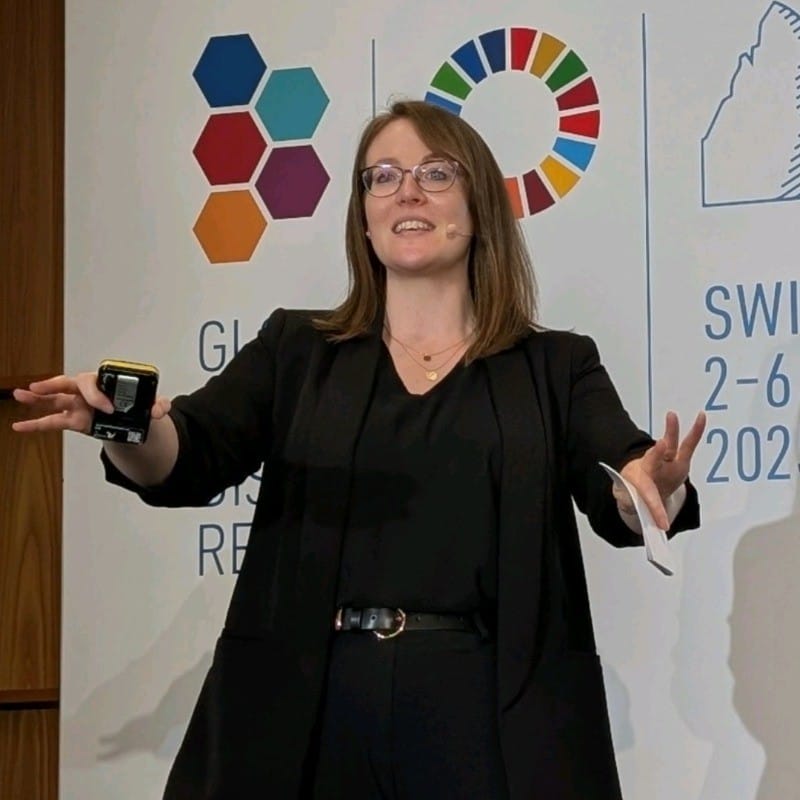
Dr Mirianna Budimir, climate and resilience expert at Practical Action said:
“Extreme heat is one of the most dangerous but often overlooked risks people face today.”
Heat early warning systems help turn forecasts into early action, giving communities the chance to stay safe and protect those most at risk.
“As temperatures rise, making these systems accessible and effective for everyone is more important than ever.”
The Alliance helps communities prepare for climate risks before they become disasters. This includes supporting heat early warning systems, improving access to climate information, promoting farming practices that help communities cope with rising temperatures, and improve understanding of how to act before extreme weather strikes.
Elsewhere across Asia, Africa and Latin America, Practical Action is already supporting communities living with rising temperatures. Farmers are being helped to adjust planting seasons, improve water management and adopt practices that help crops survive hotter and drier conditions.
In Nepal, schools are establishing heat monitoring stations where students and teachers collect and interpret temperature data, helping communities better understand local heat risks. In Bangladesh, Peru and Senegal, new initiatives are focusing on heat early warning systems, emergency heat action plans, increasing tree cover to provide shade, improving homes to reduce indoor temperatures and restoring wetlands and waterways that help cool surrounding areas naturally.
Other initiatives include solar-powered warning systems for off-grid communities, community climate monitoring groups and infrastructure improvements that help people stay safer during periods of extreme heat and other climate shocks.
Extreme heat is often described as a silent disaster because its impacts are less visible than floods or storms, yet it is already putting lives and livelihoods at risk across many parts of the world.
We are seeing communities adapt through locally led solutions, from heat action plans and early warning systems to heat mitigation, climate-smart farming and nature-based approaches that help reduce temperatures. These interventions are effective, but they must be scaled up significantly.
The challenge before us is clear. We need to recognise extreme heat as a major climate risk and invest now in solutions that help people stay safe, sustain their incomes and strengthen resilience for the future.
Dharam Uprety, Practical Action’s Asia lead for Climate & Resilience said:
“Extreme heat is often described as a silent disaster because its impacts are less visible than floods or storms, yet it is already putting lives and livelihoods at risk across many parts of the world.
We are seeing communities adapt through locally led solutions, from heat action plans and early warning systems to heat mitigation, climate-smart farming and nature-based approaches that help reduce temperatures. These interventions are effective, but they must be scaled up significantly.”
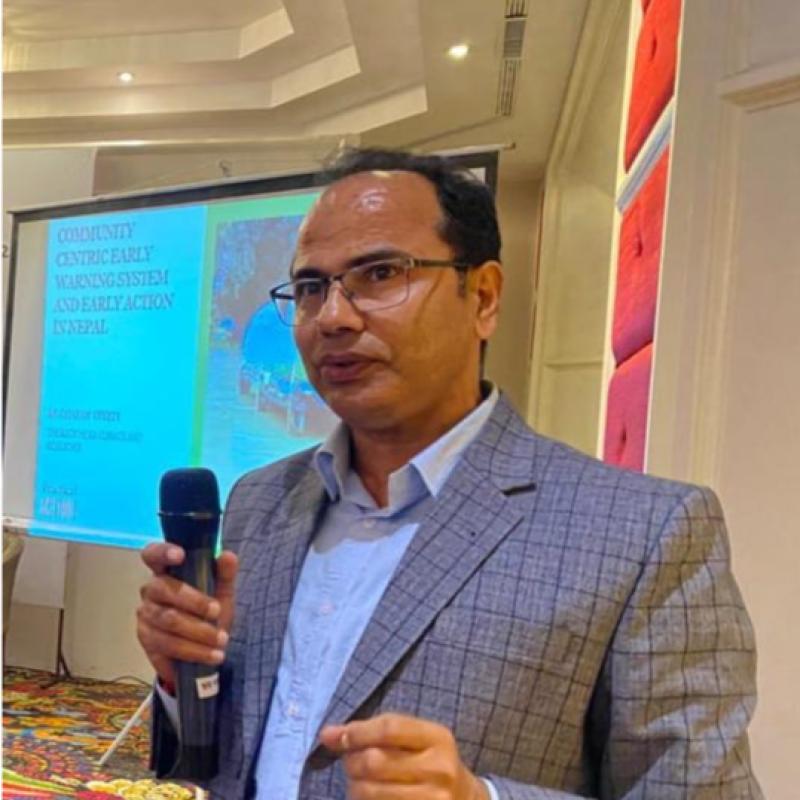
The challenge before us is clear. We need to recognise extreme heat as a major climate risk and invest now in solutions that help people stay safe, sustain their incomes and strengthen resilience for the future.
As temperatures continue to rise globally, preparing for extreme heat must become a greater priority for governments, development organisations and investors. While communities are already acting, greater support is needed to help them adapt and reduce risk.
The solutions already exist. The challenge now is ensuring they reach the people who need them most.