In isolated areas of Bangladesh, electricity is often seen as an expensive luxury. Through our consulting work, we’re helping entrepreneurs in remote communities see the business benefits of electricity. The result is booming small businesses that are powering vibrant rural economies.
Access to electricity in Bangladesh has grown dramatically in the last decade. However, in rural regions, consumption has not kept pace with availability. One of the key reasons for this is that rural communities don’t recognise the full potential of electricity. Many people see it as something that’s useful only within the home. As such, it’s often considered an expensive luxury that many people living in remote areas with tight budgets can’t afford.
It’s estimated that the Bangladesh’s electricity sector needs to increase its capacity by 70% in the next ten years to sustain its economic growth. This increase in capacity needs to be driven by a parallel increase in demand. By encouraging productive electricity use in rural areas, we can create that demand, while also making sure that people living in the poorest and most remote parts of the country benefit.
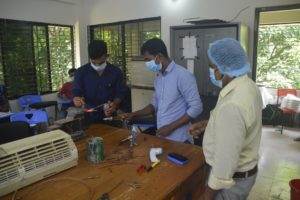
A group of entrepreneurs learn new skills to help them use electricity to scale their businesses.
A new generation of entrepreneurs
In 2019, Practical Action Consulting Bangladesh initiated a project in collaboration with Bangladesh Rural Electrification Board (BREB). Our focus is on improving rural livelihoods, especially businesses headed by women, by supporting them to use electricity to boost their profits.
Other elements of the work include:
- Increasing the awareness of rural communities on the safe and efficient use of electricity
- Improving working conditions by supporting rural electricity cooperatives for under-represented groups
- Improving the technical and entrepreneurial skills of selected enterprises.
A powerful new partnership
BREB operating under the Government of Bangladesh, received a grant from Japan Fund for Poverty Reduction (JFPR) to implement this project, which is administered by the Asian Development Bank.
A challenging but extremely rewarding aspect of this work is that BREB is mainly involved in electricity distribution. Working with consultants to implement a social development project was entirely new to them. They needed to be oriented on market development approaches, gender theories and various technical models in order to review and finalise the activity plans effectively. Our success is the result of extensive effort to effectively create a synergy in the work approach and culture between both the parties.
Diversification and knowledge sharing
Working with business owners to identify opportunities to invest in electric devices to expand and diversify is an important part of our work. For example, a dairy farmer could invest in a small fridge to store their diary produce for longer period, in addition to cattle rearing. Similarly, a farmer could invest in a sewing machine, which they could use to make clothes to sell.
To identify the best opportunities for diversification, we teamed up with our partners on the ground to carry out a comprehensive assessment in the project area. We identified several promising gaps in the market:
- Tailoring
- Air conditioner and washing machine repair
- Mobile phone servicing
- Beauty salon services
- Electricity wiring for homes
- Basic computer services (such as helping people write emails and documents)
- Technology use in agriculture
Overcoming barriers faced by women entrepreneurs
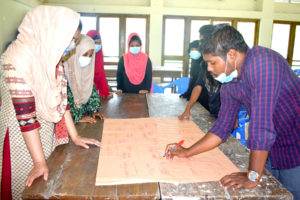
As well as identifying areas for diversification, the assessment also revealed some of the constraints faced, especially by female entrepreneurs, in delivering a service effectively and expanding their customer base. We went on to explore these constraints more fully in interviews and focus groups with women.

Sajeda Sultana training two aspiring tailors.
Some of the key constraints behind female entrepreneurs’ participation in the electricity or energy based small businesses were:
- Societal barriers
- Limited support from family members
- Lack of knowledge on productive use of electricity and relevant business ideas
- Limited financial capacity
The gender experts we worked with during this assessment phase highlighted that minimal support in the form of training would enable the aspiring female entrepreneurs to benefit from increased income opportunities.
Training for success
We worked with a research firm to interview a mammoth 30,000 people from a list of consumers provided by BREB. 2,100 of the most talented entrepreneurs in remote rural communities were chosen to take part in our training.