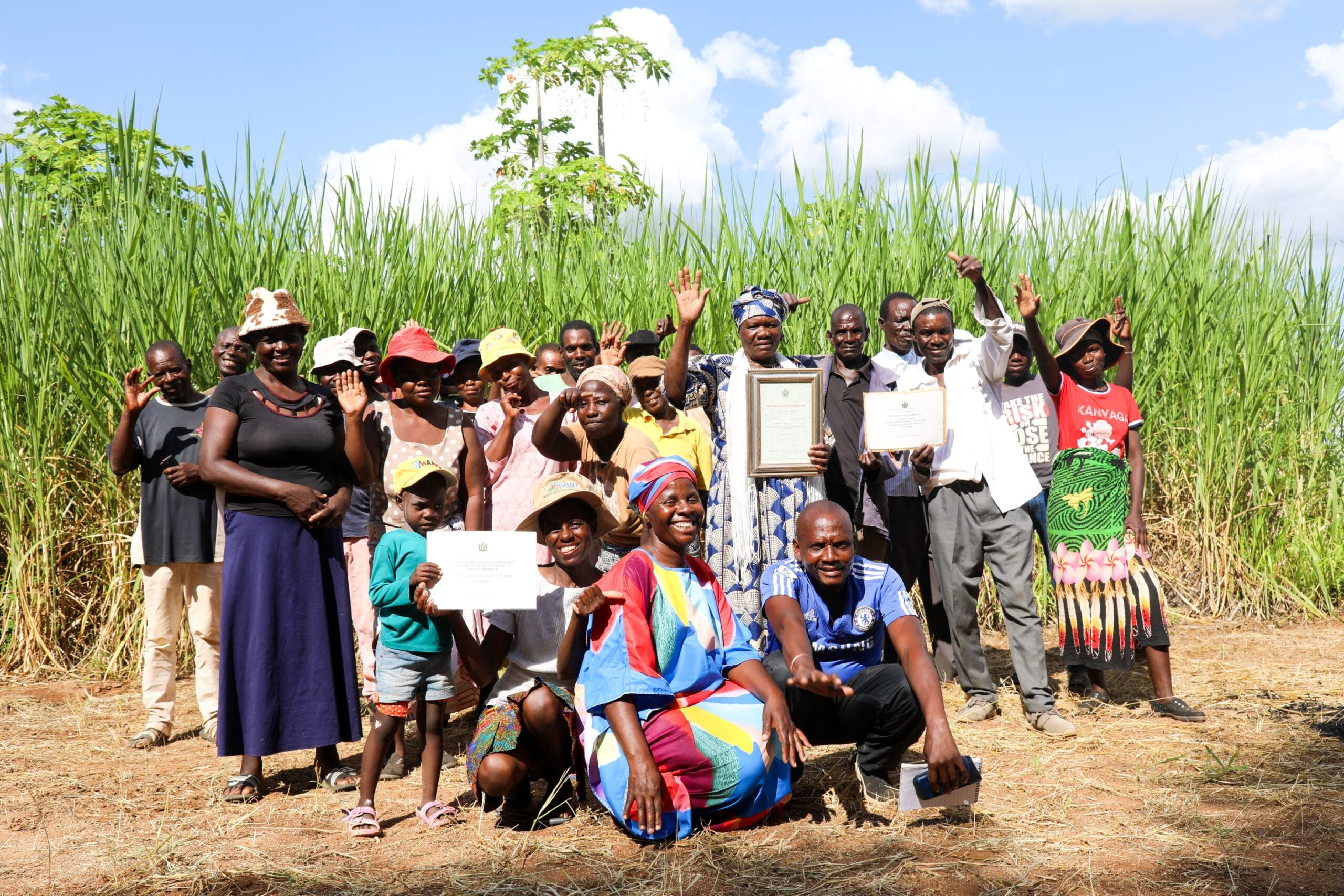
In Harare’s underserved neighbourhoods, thousands of people will get reliable electricity and live cleaner, greener lives thanks to a new initiative.
Rapid urban growth in areas such as Epworth, Mabvuku-Tafara, and Highfields has left many families without basic services.
Households rely on firewood or costly alternatives for cooking, while unmanaged rubbish accumulates due to a lack of investment in waste, threatening health and people’s ability to work.
Women spend hours sourcing cooking fuel, limiting their economic opportunities, while young people face high unemployment.
At the same time, poor-quality bricks and construction practices contribute to deforestation and increase carbon emissions, highlighting the urgent need for sustainable, community-led solutions.
But Practical Action and people living in the hardest-hit areas will work together to breathe economic life into the districts through a combination of clean energy access, training and support for local entrepreneurs.
The approach builds on Practical Action’s work in Rwanda, where similar models have enabled farmers, food producers and people in refugee camps to run successful businesses.
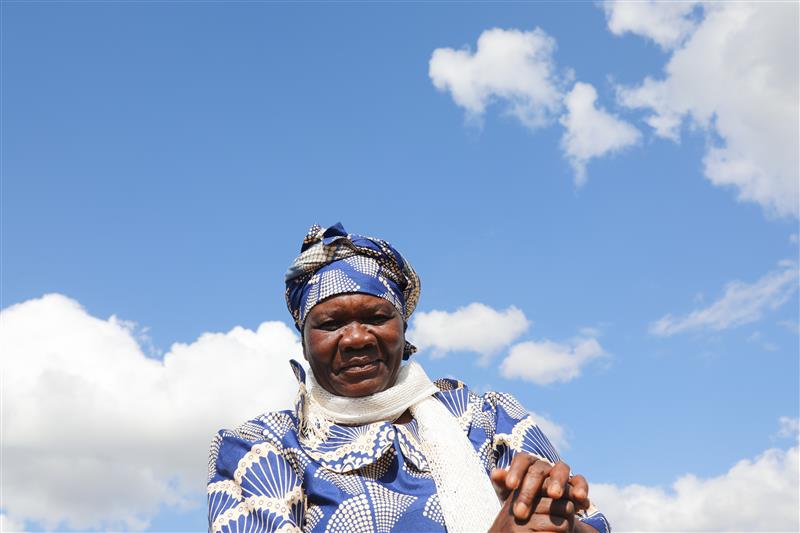
Through this project, we are helping set up centres that communities can use to turn waste into resources, access clean energy for productive activities, and develop low-carbon building practices.
But beyond the infrastructure, we are focusing on inclusion, training, and local leadership because we know that is what makes these solutions sustainable.
This is exciting work, taking on learning from other programmes run by Practical Action elsewhere in Africa, where we have incredible changes in very tough environments, and I can’t wait to get started.
Henry Muchedzi, Head of Programmes at Practical Action Zimbabwe
Over the next 15 months, communities, working alongside Practical Action, will:
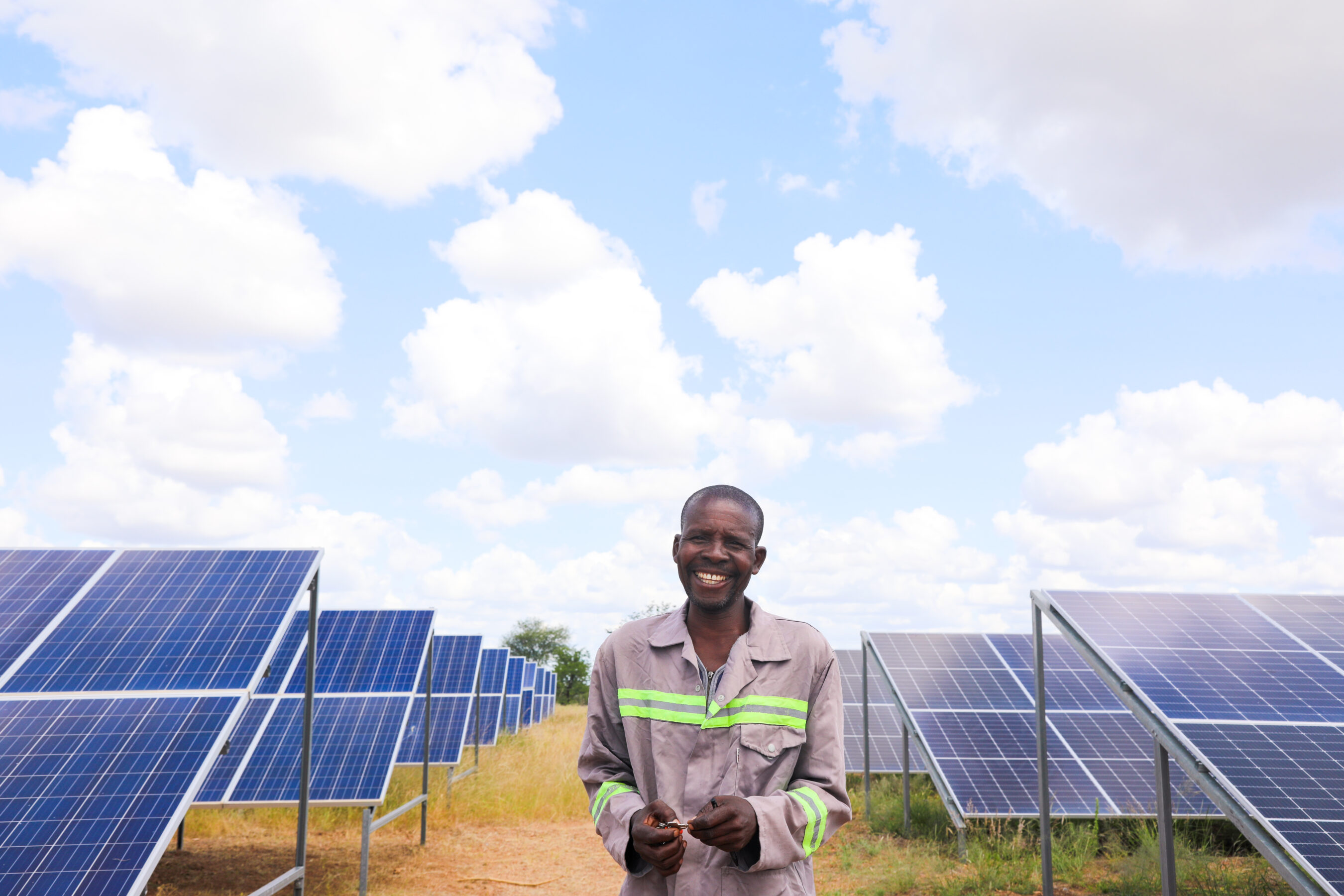
- Set up two clean energy centres in Epworth and Mabvuku-Tafara to provide solar power for businesses and services like water, phone charging, internet, salons, tailoring, ICT, and clean cooking, while supporting entrepreneurs to use energy for income.
- Establish four waste recovery hubs in the districts of Epworth, Mabvuku-Tafara, Showgrounds, and Highfields where waste will be turned into useful products such as compost, biogas, briquettes, and recyclables, thereby reducing pollution, improving health, and creating jobs.
- Train women and young people in solar installation, clean cooking, waste recycling, brickmaking, and business management to help them earn a living and build confidence.
- Develop business and governance models to ensure all centres run independently, with ownership and management structures agreed by local communities, authorities, and ministries to ensure they are sustainable for many years after the programme has finished.
- Build inclusive leadership by involving women, young people, and people with disabilities in the management of the centres.
- Raise community awareness about the benefits of clean energy and , sustainable waste recovery to encourage participation and support.
- Provide seed funding and mentorship to local entrepreneurs to start small businesses using clean energy, recovered waste, and low-carbon building products.
Harare faces mounting challenges from rapid urbanisation, inadequate waste services, energy poverty, and unsustainable construction. Families rely heavily on firewood and charcoal, driving deforestation, while waste accumulation fuels health risks and environmental degradation.
By combining clean energy and waste recovery the new work will tackle these interconnected challenges and demonstrate practical, scalable solutions for cities across Zimbabwe and the region.
The £1.25 million Clean Energy, Waste Recovery and Low-Carbon Construction for Urban Resilience Project is financed by the Swedish Government through UN-Habitat under the Harare Sustainable City Initiative and implemented by Practical Action.
For enquiries and further information
Africa region office
- For general information about our work in Africa:
[email protected] - For programme development and strategic partnership enquiries:
[email protected]
- Follow us on social media: