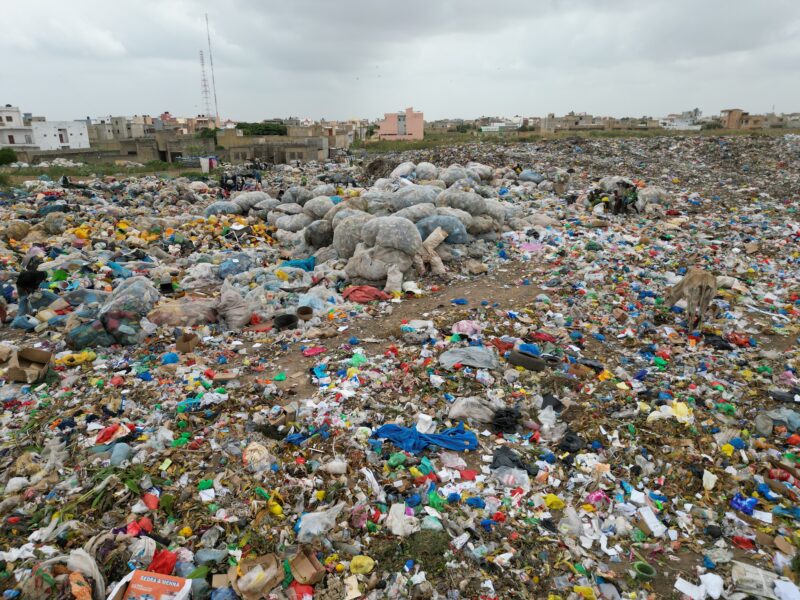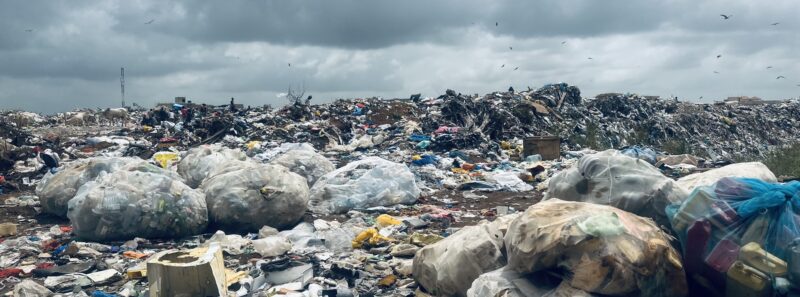
People highly vulnerable to the effects of open burning of waste in Kenya are set to benefit from a $230k grant awarded to Practical Action.
The funds will be used to stop the open burning of solid waste, a global practice that has catastrophic effects on human health and the environment. It will improve waste management systems in Kisumu, Kenya.
Practical Action has been awarded the grant as part of a $1.3 million global Project led by Engineering X – an international collaboration founded by the Royal Academy of Engineering and Lloyd’s Register Foundation. The project will be implemented by a consortium of five organisations over a two-year period.
The projects will achieve the following:
- Reduce the open burning of solid waste, which is a major contributor to global air pollution and greenhouse gas emissions.
- Provide practical solutions and knowledge to local and national governments, helping them plan and take action to reduce open burning of waste and toxic emissions.
- Raise awareness and increase action in regions like Latin America, Africa, and Asia where the impact of burning municipal solid waste is particularly acute.
- Focus on equipping relevant bodies with tools and information to implement strategies that reduce toxic emissions and improve waste management infrastructure.
- Lessons learned from city pilots and ongoing engagement with regional bodies will be used to fine-tune roadmaps for reducing open burning of waste and making them more feasible and sustainable at a regional level.
Lucy Stevens, Practical Action’s Head of Urban services said “Open burning of waste is a serious problem in itself, and a symptom of a failed waste management system.
“We have seen its impacts at local levels in our work with urban low-income communities. Finding lasting solutions requires action at multiple levels which is why this global collaboration is so important.
“Together with our partners, we will develop and test practical solutions, while also being part of regional and global consultations to improve guidance for countries and encourage more finance to flow to this neglected issue.
“We aim to bring about real, people-centred, changes at the city level and chart the way for future progress improving waste management, protecting health, and combatting climate change.”