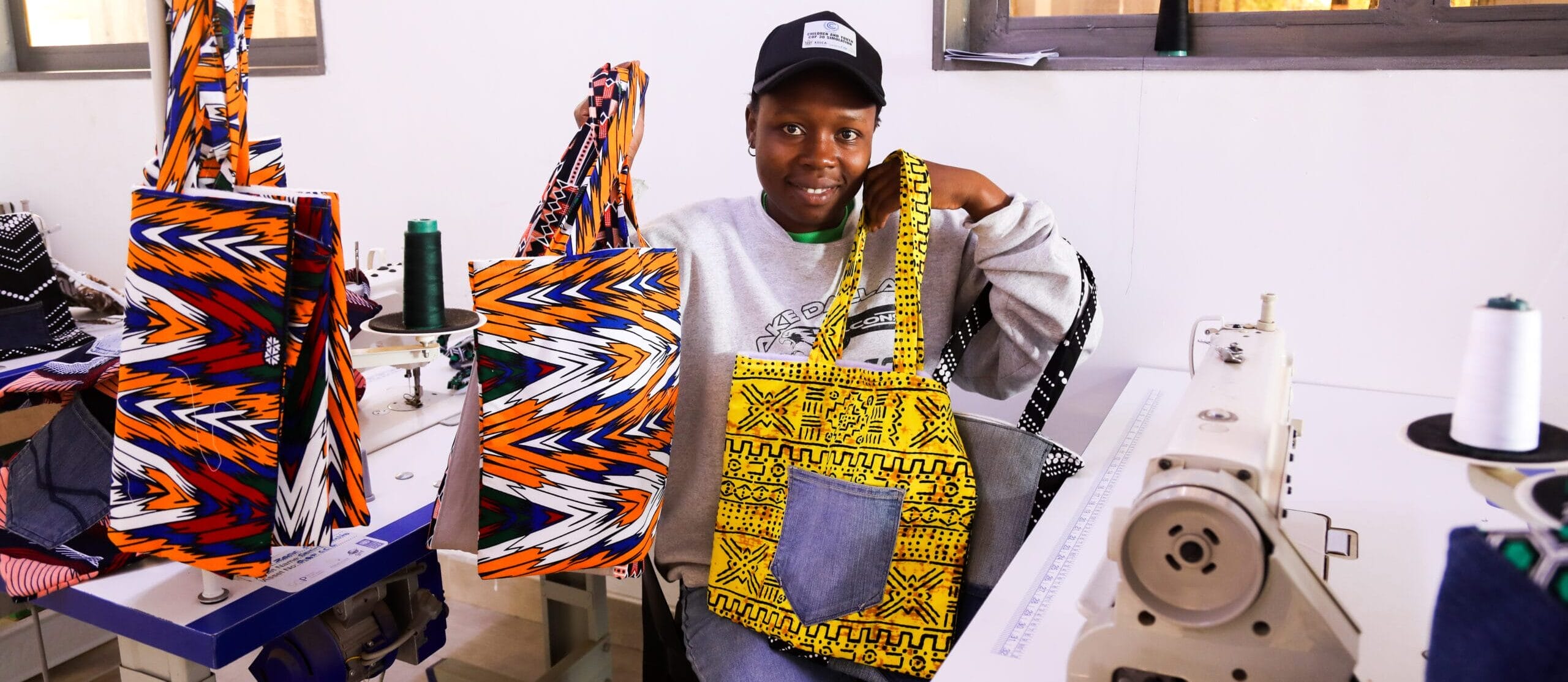
At 25, Tatenda Chikokoro is part of a growing group of young women helping to reshape how waste is managed in Tafara.
Tatenda joined the project five months ago, when the site was first established. Having recently completed her studies in Environmental Science and graduating in August, she was eager to put her knowledge into practice and contribute to solutions that respond to everyday environmental challenges in her community.
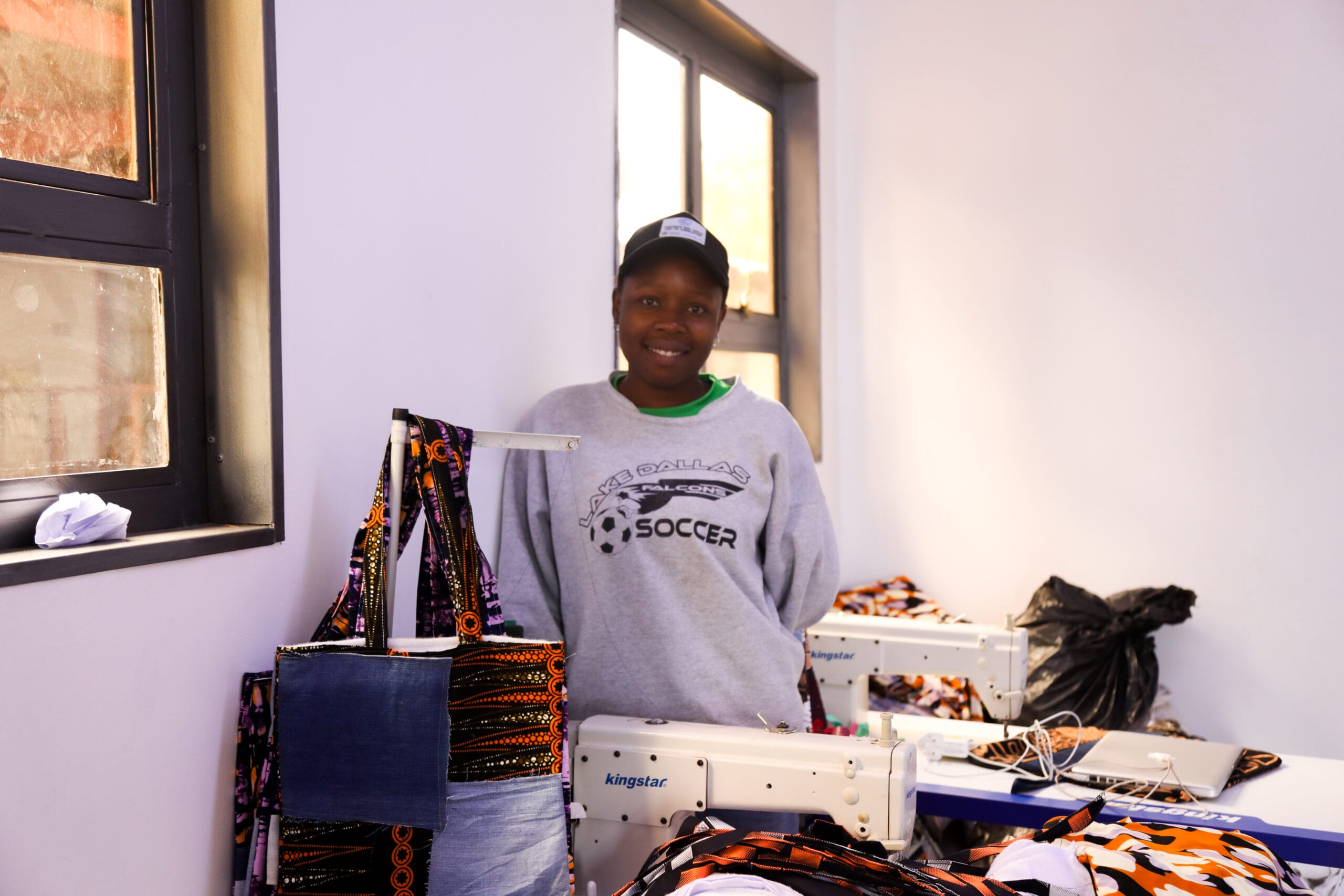
Tatenda volunteers at the site in a multifaceted role. She coordinates the sewing initiative that transforms discarded textiles into reusable shopping bags and supports the site manager with administrative responsibilities. While she is not formally a waste collector, she regularly joins other young people from the project during waste collection activities, giving her first-hand experience of the scale and impact of waste challenges within the community.
“When I arrived, sewing was completely new to me,” Tatenda explains. “It has been challenging, but I am learning. What excites me is that so much of what we do here connects directly to waste management, sustainability, and development.”
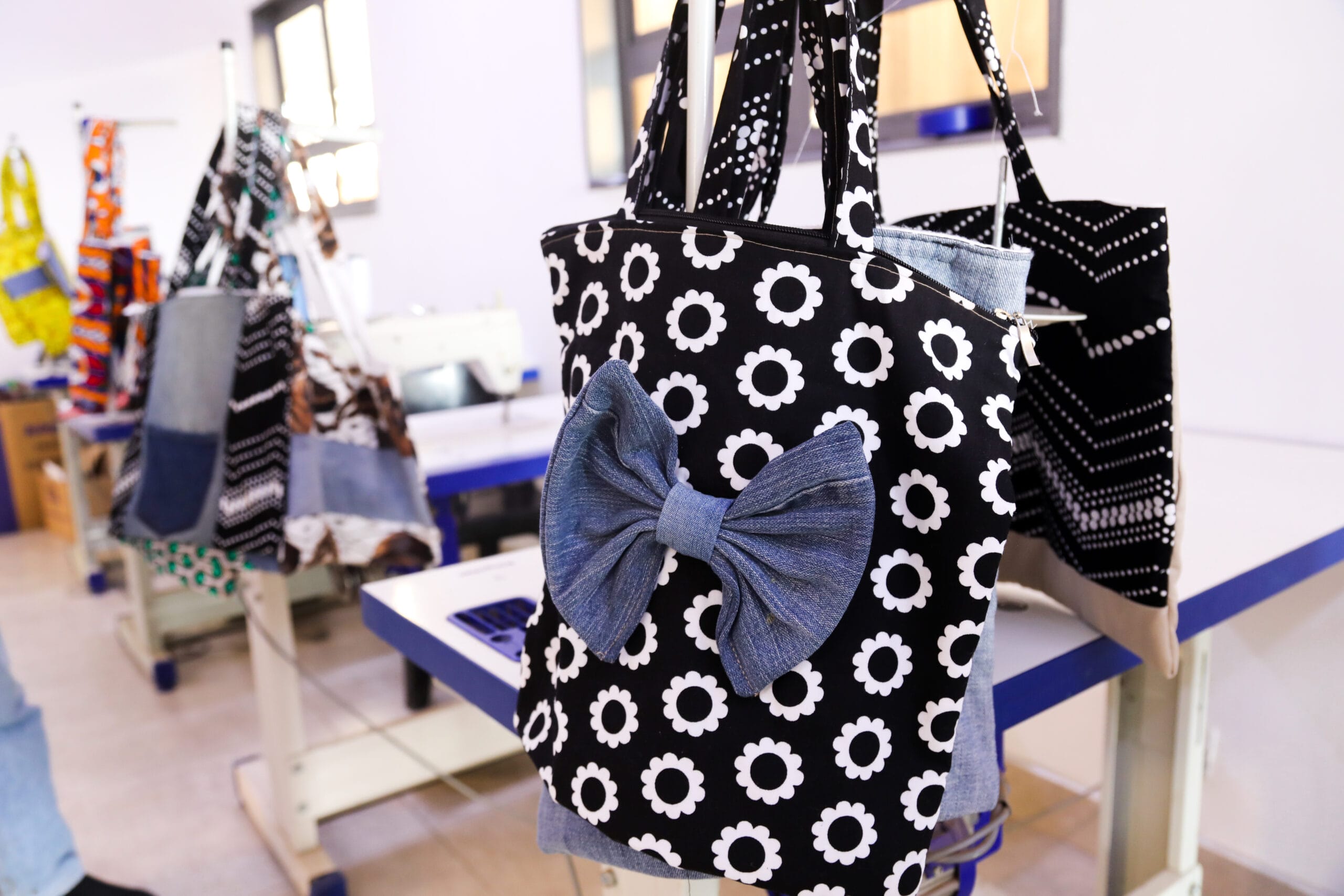
Through the project, Tatenda learned how to sew using old jeans to produce durable shopping bags. These bags are sold locally, offering a practical alternative to plastic carrier bags while creating a modest income stream. The initiative also promotes behaviour change within the community. Residents are encouraged to bring three pairs of old jeans in exchange for a reusable bag, helping reduce both textile and plastic waste while reinforcing the value of reuse.
Community engagement is a central part of the project. Roadshows and regular interaction with residents in Tafara provide opportunities to collect waste, share information, and raise awareness about sustainable waste management practices. For Tatenda, these moments of direct engagement are just as important as the production process itself.
For her, the project represents more than recycling or learning new skills. It is about demonstrating the role young people can play in driving environmental change and shaping conversations beyond their immediate communities.
“I read that Rwanda banned plastics completely, and I think that would be powerful here too,” she says. “If we can raise our voices and advocate for that across Zimbabwe, that would be a big achievement.”
Tatenda’s experience shows how youth leadership, women’s participation, and environmental action can come together through locally driven initiatives. By combining technical knowledge, hands-on involvement, and community engagement, she is contributing to a practical and people-centred response to waste management challenges that supports livelihoods, environmental sustainability, and civic voice.
This work is implemented under the Harare Sustainable Cities Initiative, delivered in partnership with UN-Habitat and funded by Sida, supporting youth-led and community-based waste management initiatives in Zimbabwe.