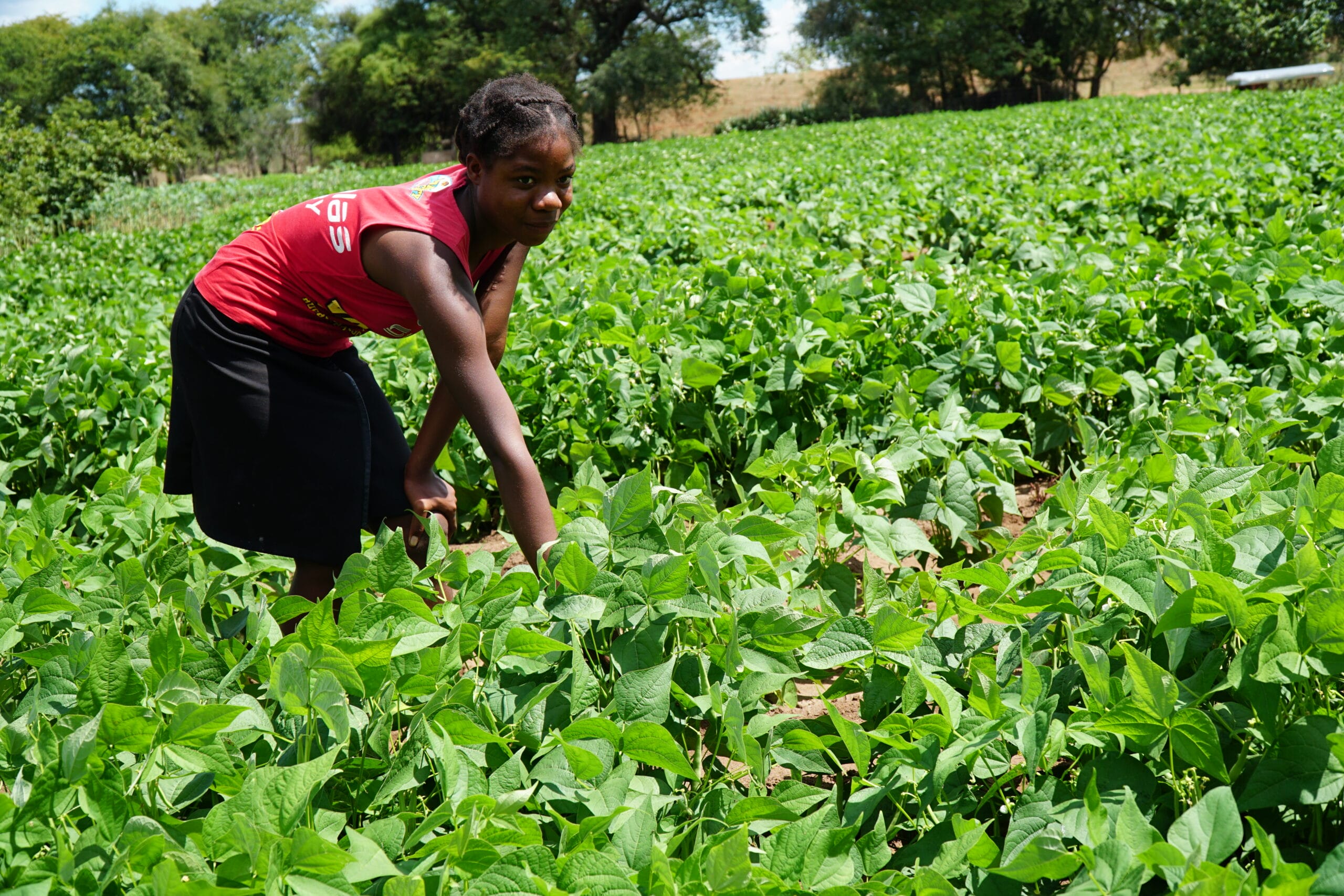
In rural Zimbabwe, thousands of people are benefitting from a new programme which is using a circular economic approach to maximise the use of wasted energy.
Now we have shown this way of working can transform lives, for virtually no extra cost, we’re looking for new donors to invest and help us expand our work. Read more below to find out how it works:
In the dry landscapes of Gwanda District in southwest Zimbabwe, solar-powered water systems have transformed community gardens, providing reliable water for food production and helping families withstand the growing impact of climate change. However, while the pumps provided water, much of the solar energy generated by the systems was simply going to waste.
Research conducted by Practical Action revealed that solar-powered water systems installed by development partners were using only a fraction of the energy produced by their solar panels. Depending on the size of the system, between 10% and 64% of the available energy remained unused. This is adequate power for lights, charging phones, supporting schools and clinics, or enabling small businesses.
The question was “how could the unused energy be put to work for communities?”
From single purpose to multiple benefits
With support from the International Organization for Migration (IOM), Practical Action launched the Greening Humanitarian Response Through Enhanced Solar Energy (RISE) project. The initiative seeks to improve livelihoods and climate resilience by transforming single-purpose solar water systems into multi-purpose community energy hubs.
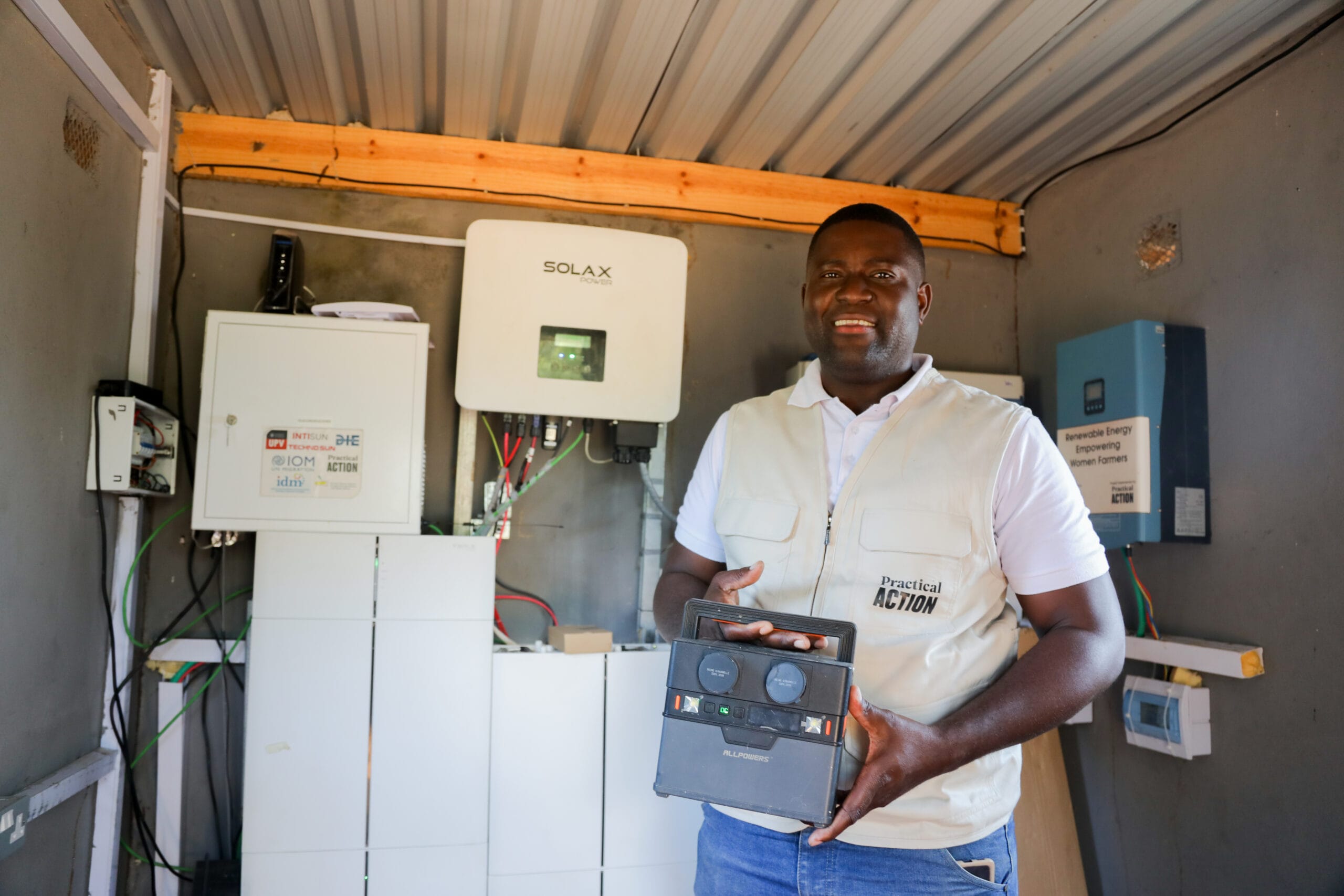
The journey began with community energy needs assessments to understand local priorities and determine how much surplus energy was available. Based on the findings, inverter and battery storage systems were installed to capture excess solar power that would otherwise be lost.
Today, that stored energy is being used to charge portable power banks that can be hired by schools, clinics, businesses, and women’s groups. Community Management Committees, elected by local residents, oversee the management and maintenance of both the water and energy systems. Small service fees help cover operating costs, creating a sustainable model that generates income in communities where earnings are often seasonal and uncertain.
What was once wasted energy is now creating value, opportunity, and hope.
Powering education, powering futures
One of the clearest examples of the project’s impact can be found at Mawaza Primary School, home to 335 learners.
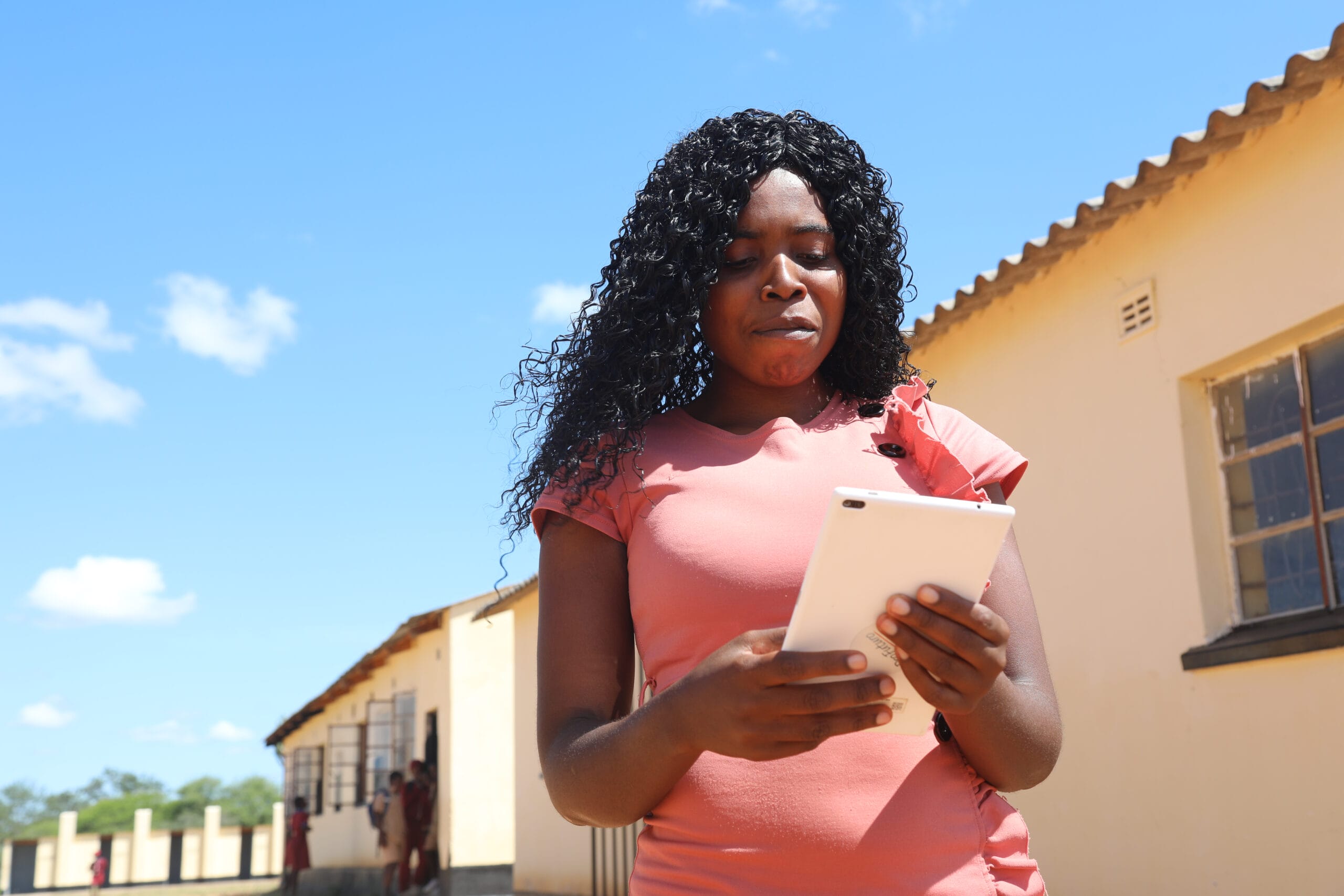
The school had previously received Kio Kits (educational tablets designed to enhance digital learning) but lacked a reliable source of electricity to charge them. As a result, teachers could conduct only a handful of lessons each week using the devices.
The introduction of community power banks changed everything.
“We used to limit the use of our tablets because charging them was a constant challenge,” explains Nkosana Moyo, the school’s headmaster. “Now learners have regular access to the devices, and we have increased ICT lessons from just two per week to almost twenty. The children are excited to learn, teachers are more motivated, and we are confident this will contribute to improved academic performance.”
For the learners themselves, the change is even more profound.
“Before, we only used the tablets occasionally,” says Ndimenhle Ndlovu, a Grade 7 learner. “Now we can use them much more often to learn new things and do research. Learning feels more interesting and exciting because we can explore beyond our textbooks. God bless you.”
In a community where access to digital resources is limited, a simple intervention to capture surplus solar energy has opened doors to new learning opportunities and brighter futures.
A Foundation for local enterprise
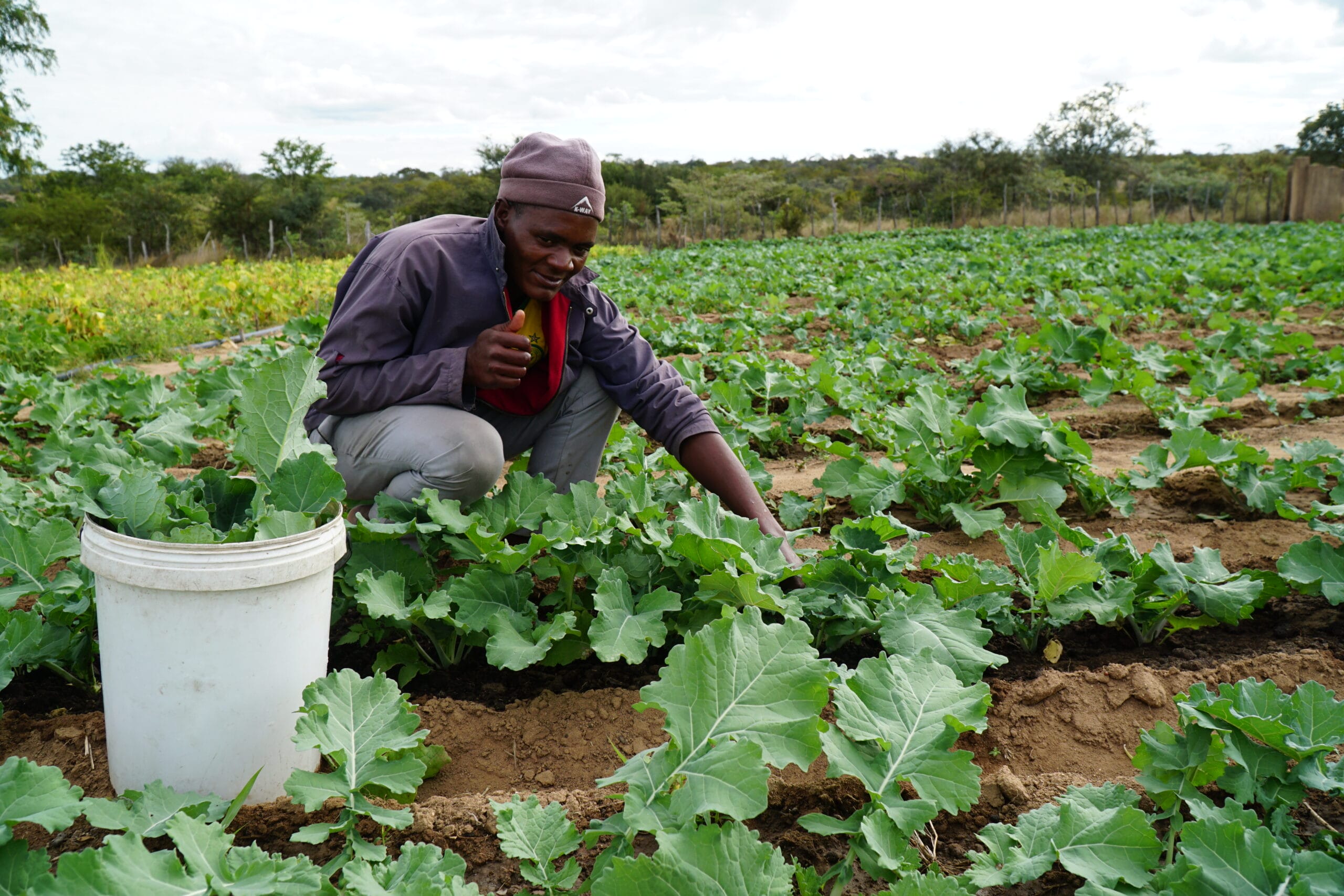
Reliable access to electricity is creating opportunities for entrepreneurship, communication, and income generation. Community members are beginning to see possibilities that previously seemed out of reach.
“Electricity gives us more than power, it gives us opportunities,” says a young aspiring artist from Gwanda. “With access to reliable electricity and the ability to power equipment, I can realise my dream of operating a salon, create employment and turn my talent into something meaningful.”
Scaling impact
The success of the pilot demonstrates the potential of productive use of excess solar energy across rural Zimbabwe.
With additional investment, Practical Action aims to expand the initiative to ten more sites. Funding would support:
- Construction or upgrading of secure powerhouses for solar harvesting systems and productive-use equipment.
- Installation of 10kWh battery storage capacity and 6kW inverter systems.
- Procurement of productive-use equipment such as low-power refrigerators, freezers, hair clippers, and internet connectivity kits.
- Exploration of micro-mills to support value addition and processing of agricultural produce.
The opportunity is significant. Across rural communities, thousands of solar panels are already generating energy that remains underutilized. By harnessing that surplus power, communities can strengthen livelihoods, improve essential services, and build resilience to climate shocks.
The RISE project demonstrates that sometimes the solutions communities need are already there, they simply need to be unlocked.