New skills for a shifting climate
To create lasting change in Nepal, the solution needs to look to the future and provide communities with the skills they want. Farming communities tend to be aware of what they need to flourish, but are unable to access them. By joining the dots and helping communities improve their business skills, access tools and training and achieve better market access, we can know they’ll be better equipped in the long term. Learning business skills allows farmers to sell their crops effectively, access opportunities to earn more and plan for a happy future.
Communities across Nepal rely on agriculture in order to grow food, provide income and to live – with two in three people in Nepal reliant on farming for their livelihood. But farming in Nepal has never been easy; a lack of market infrastructure and a treacherous topography makes getting goods to market difficult. Rural communities can find themselves cut off for weeks on end during rainy season. There is limited access to education and modern technology. And women, in particular, are often unable to read and write, meaning they’re unaware of the services available to them.
Climate change has made farming in Nepal even more difficult, with unpredictable weather and rapidly shifting conditions resulting in failed crops and wasted labour.
It doesn’t have to be this way, and big change is possible, even in the face of the challenges the shifting climate presents.
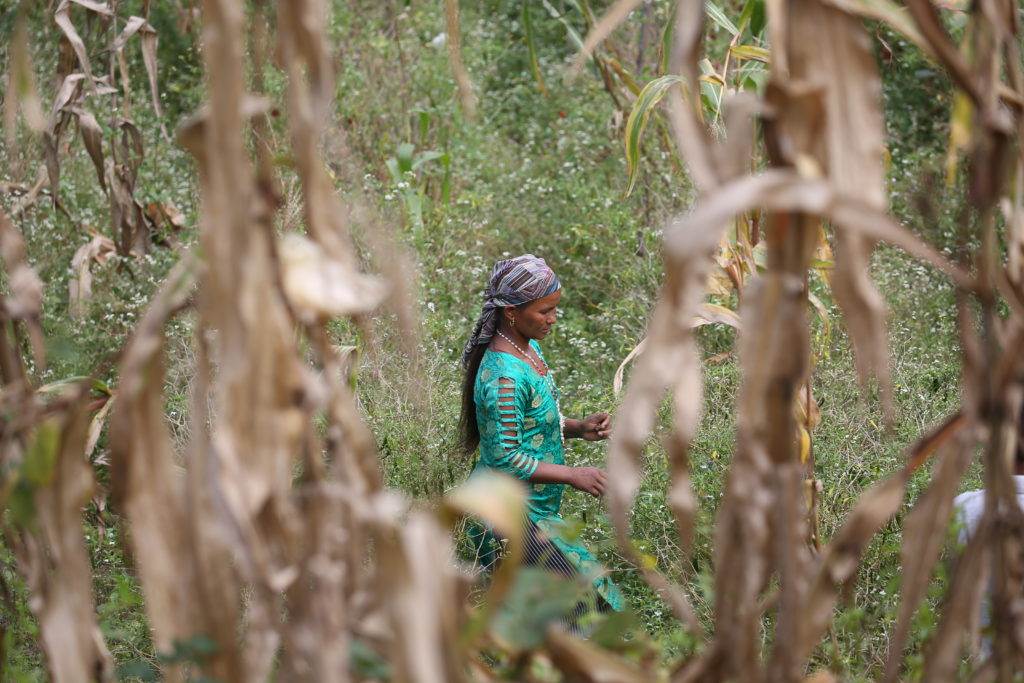
Improved market skills could help Junmaya get a fair deal
Our Turning the Tables on Climate Change campaign puts a series of solutions to work through our ingenious five-point plan to create transformative and lasting change.
Let’s make markets accessible
One of the biggest challenges to remote farming communities in Nepal is accessing market information to better help them run their farm as a business and be as profitable as possible. Without markets – and information about prices and produce – farmers will never be able to move from subsistence to commercial, or get a proper return for their crops, their time and their efforts.
Most of the farmers we work with are highly skilled when it comes to agriculture, but they are often not well informed about the cost of crop production due to lack of access to modern mobile technology, electricity and money. Production costs include seeds, fertiliser and labour for weeding, sowing and even ploughing. When these costs aren’t factored in, it can be very difficult for farmers to enjoy a reliable income.
The issue of market access is more acute in for women farmers, who tend not to have access to the same bookkeeping skills as men. As men traditionally leave rural areas to find work in the cities, women are often left in charge of agricultural work and family care. Without training in business skills or support with market access there is no record of how much has been grown and sold and decision making in subsequent years is not based on sound information.
This information helps farmers plan their production better, avoiding gluts of crops that won’t sell, and enables them to plan ahead when buying seeds. If a farmer sees a certain crop is selling well, market information and business skills give them the tools and flexibility they need to harvest what they have and start planting crops that they know will profitable.
Here we explain how we will tackle all of these issues, and work with communities to empower women with better business skills as part of our five-step plan.
To help farmers get their crops to market safely and avoid an arduous journey across tough terrain, we also worked with communities to implement brilliantly simple cable cars that can carry goods in a matter of minutes.
Helping Junmaya get a fair deal
Junmaya is a farmer living and working in the Runtigadhi Rural Municipality in the Rolpa District. Due to limited market access, Junmaya currently can’t fix her prices or bargain to get a better selling price. When she gets to market, she’s at the mercy of local supply and demand and sometimes can’t even sell her produce, so it goes to waste.
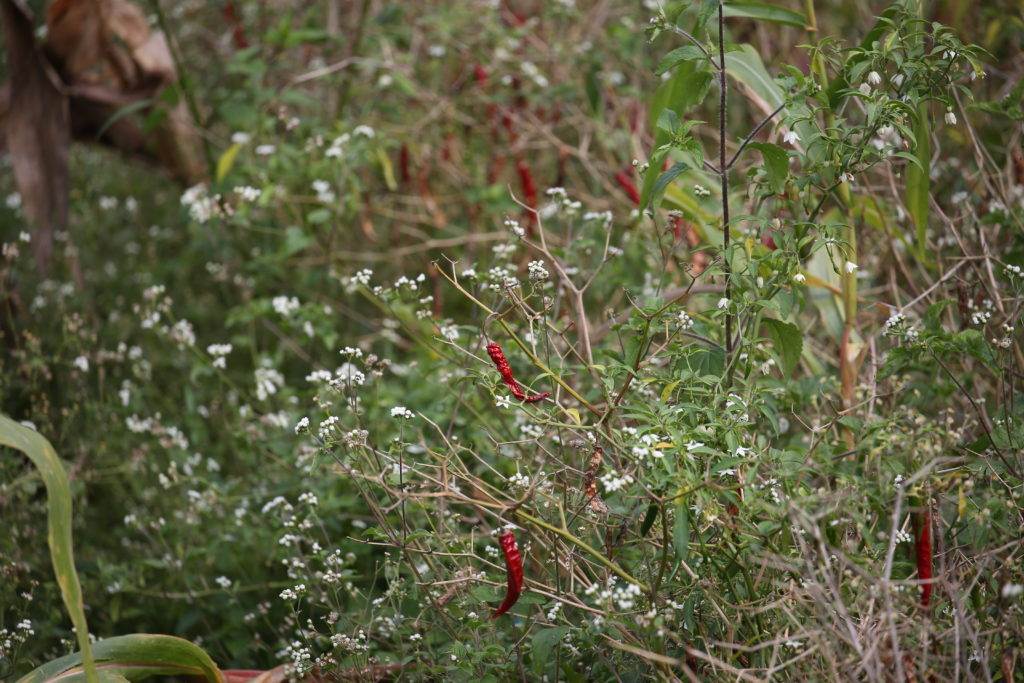
Knowing which crops will sell is key to getting profit from farm labour
Junmaya has to go to market without the security of knowing she’ll get a fair price, or any income at all. Without knowledge of the wider market, Junmaya can’t get the money she needs to invest in her future, and the future of her family. She’s locked into subsistence farming, but access to market could bring huge changes for her.
With improved business skills and market access, Junmaya could better value her crops and labour and look outside of her local market for the best price for her tomatoes and chilies, leading to a sustainable income for her and her family.