The danger of assuming we already know the answer
There is an understandable attraction to simple solutions. A new piece of technology or infrastructure is tangible. It can be funded, delivered and measured. But food systems are rarely simple, and a solution that works in one place will not necessarily work somewhere else.
Take food loss. Post-production food loss is a genuine problem, but it is not one single problem with one single solution. Food can be lost at different stages in a supply chain and for very different reasons. Climate, markets, infrastructure, farming practices and consumer demand can all affect what happens after a crop leaves the field.
As renewable energy technologies become more accessible and affordable, they offer important opportunities to improve agricultural production, processing and storage, particularly for communities that lack reliable access to energy. But a promising technology is not automatically the answer in every context.
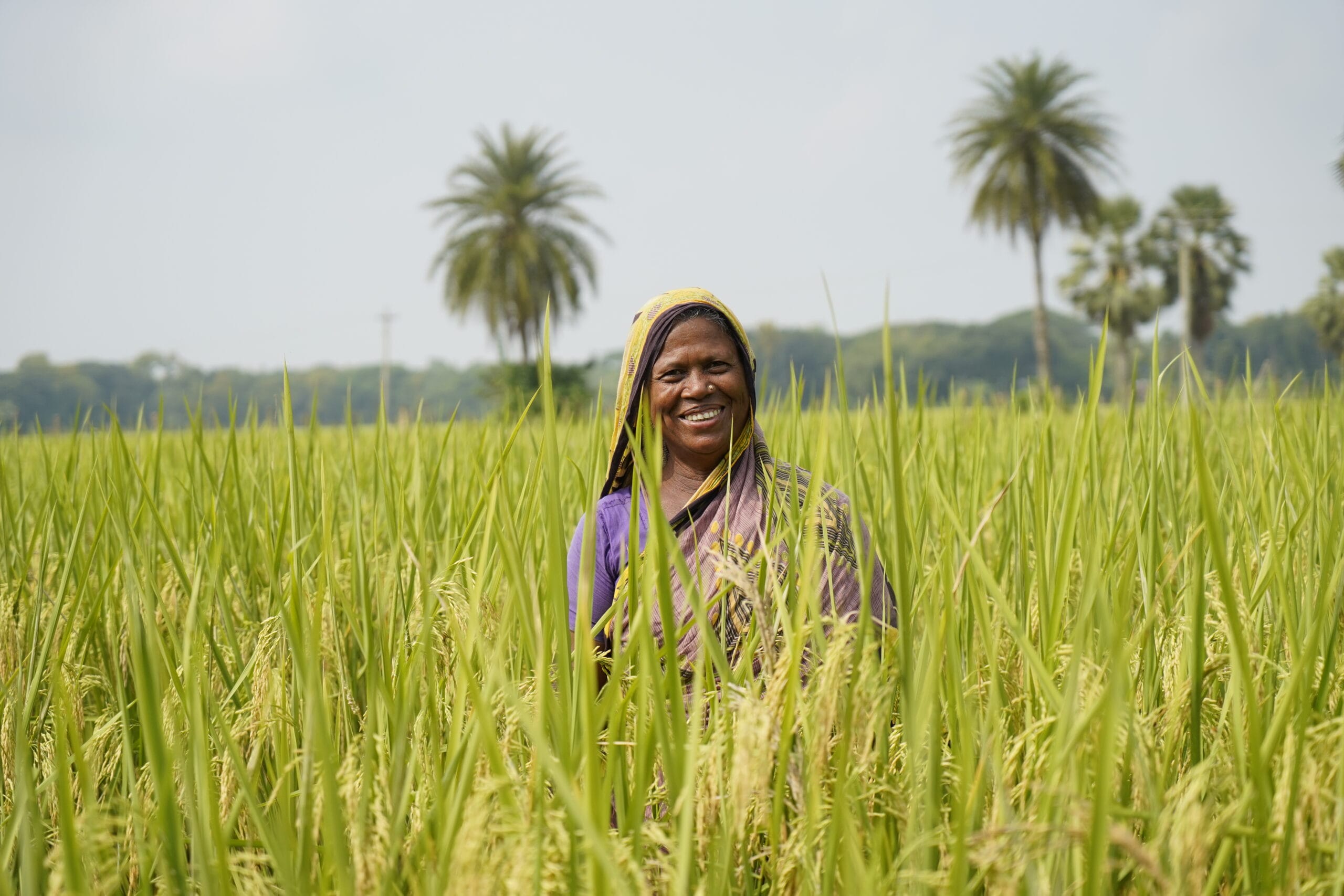
Cold storage is a good example. Practical Action’s experience in Malawi provides a useful illustration. The Renewable Energy for Agriculture project, which ran between 2021 and 2023, brought together agricultural production, renewable energy and access to markets. Women farmers were supported with solar-powered pumps, greenhouses and agricultural advice. Their tomatoes were then intended to be stored in a solar-powered chill plant before being sold into higher-value markets, including supermarkets and tourist lodges around Lake Malawi.
It was an attractive model. The different elements appeared to reinforce one another: better production, renewable energy, post-harvest storage and access to higher-value markets. And after two years, the results looked encouraging. The women were generating additional income, with reported improvements in food security, farming practices and women’s empowerment.
But the story did not end when the project ended. Some challenges had already started to emerge during the project. Covid disrupted the premium markets the model had been designed around, with travel restrictions affecting tourist markets and the subsequent withdrawal of a major supermarket buyer creating another challenge. At the same time, informal traders began buying more of the produce. Unlike the formal buyers, who collected produce weekly, local traders were coming almost every day. This meant tomatoes did not need to spend long periods in the chill plant, which was being used at only around 30% of its capacity.
At the time, these were seen as challenges that could be addressed within the project model, rather than threats to the model itself. But after the project ended, they deepened.
The tomatoes entering the chill plant were also warm, something that was difficult to avoid in the increasingly high temperatures in Malawi’. This caused condensation, which contributed to mildew and mould and affected the quality of the tomatoes.
So, the social enterprise tried something very simple: it switched the refrigeration off. The tomatoes did not deteriorate. Because they were being collected frequently, and because they could be harvested before they were fully ripe, they did not actually need to be chilled. The chill plant has since been repurposed as an unchilled storage facility.
The lesson is not that cold storage is automatically a bad investment but that an assumption that cold storage is always the solution, often ignores, other, more appropriate and cost-effective solutions. Investment needs to follow a specific understanding of the problem and the conditions needed for a solution to work in the context you are dealing with.
Practical Action’s work in India reinforces this. Research in tomato, mango and strawberry value chains found that, despite high postharvest loss, cold storage does not provide an immediate answer. Improvements in farming and harvesting practices and better coordination between farmers and buyers, need to come first. These improvements are relatively low cost and would help increase the quantity and quality of produce, expanding the value of agricultural markets, creating a better enabling environment, in the long run, for higher value investments, such as cold storage. In other words, the use of cold storage (and similar developments) should not be driven by the availability of the technology itself. Instead, the provision of technology should be based on need, and on what the market can viably support.