The world is facing urgent and interconnected challenges – worsening climate crises, catastrophic biodiversity loss and devastating poverty. Their impacts are felt around the world, transcending borders with disastrous effects. Those who rely on natural systems for their lives and livelihoods, such as indigenous people and local communities, feel their impacts most heavily. This needs to change, and we need new ways of working that increases support and options for more people living on the frontlines of the climate crisis.
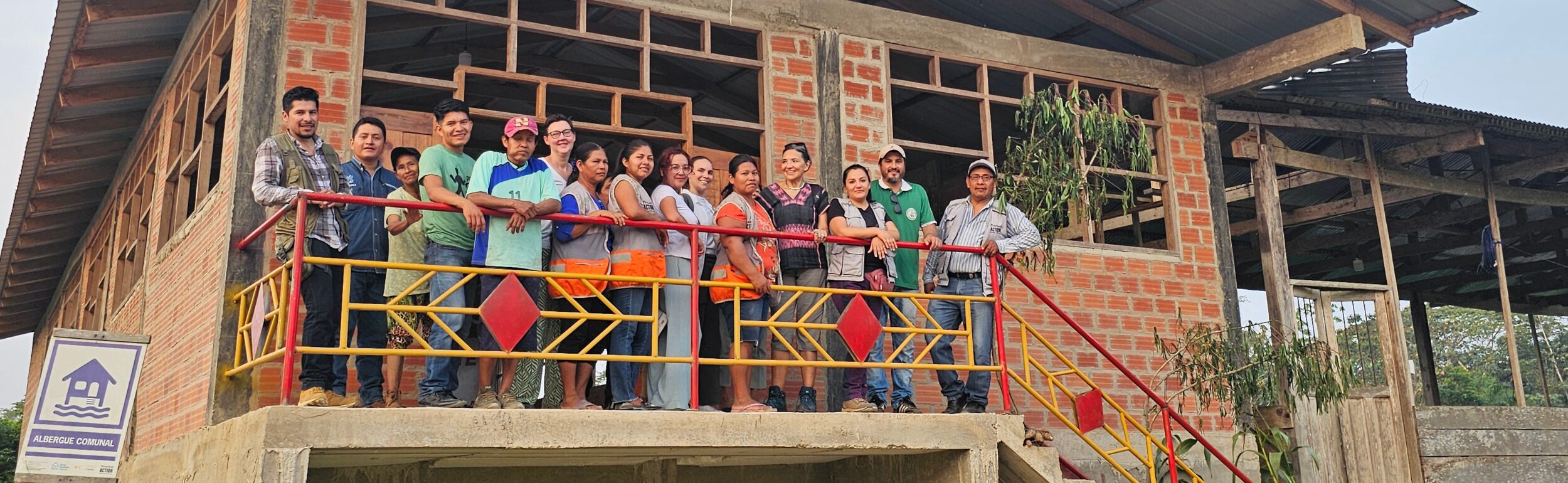
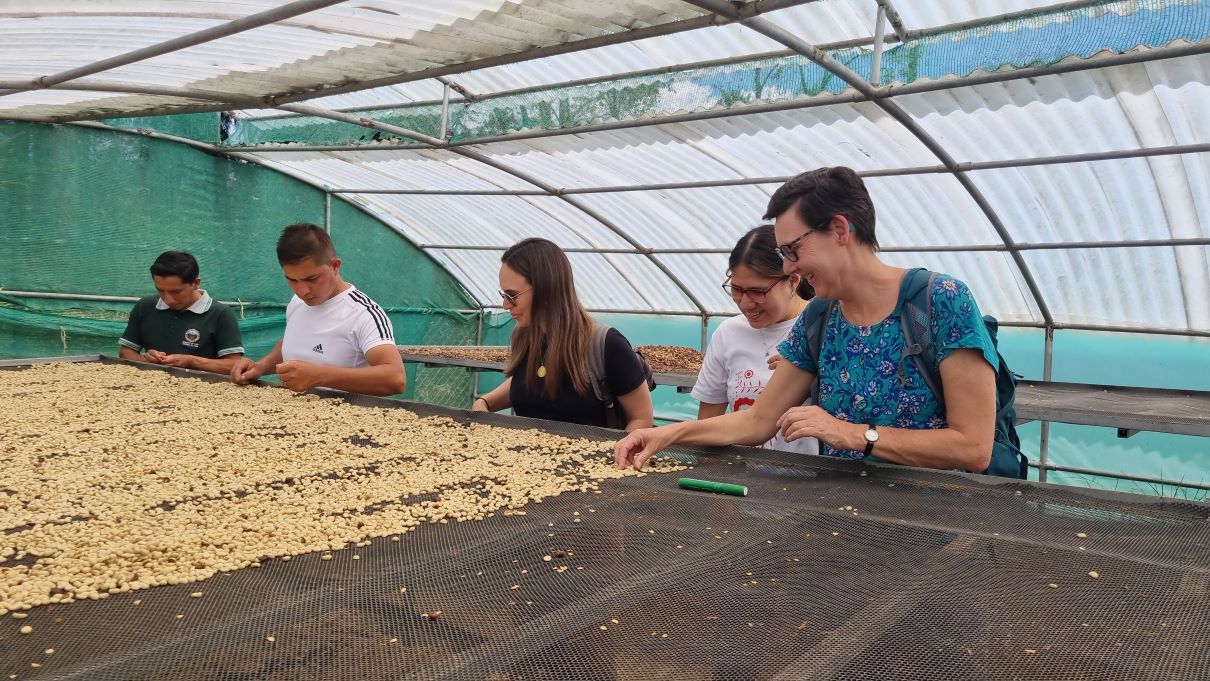
I (Sarah) recently visited Peru, Bolivia, and Ecuador where I witnessed the catastrophic impact that climate change is wreaking first-hand. I also understood much more about how people are responding – building their resilience, overcoming barriers, and improving their lives and livelihoods. Working with these communities offers us all lessons for the future. I met with a range of national and international organisations who are working with indigenous people and farming communities looking at the ways in which this type of support can make the most difference to tackle poverty and inequality alongside addressing increased climate risks in the Andes Amazon and thwarting the threats to important ecosystems that human lives depend on.
In our 40th year in the region, we believe the key to our future is to tackle the drivers of poverty. This means forging strategic partnerships with governments, indigenous organisations, farmers, and community groups, alongside the private sector and technical partners to bring significant change, creating and reinforcing positive investments and incentives that allow for sustainable livelihoods. Together, we’re addressing the root causes of people’s challenges and creating initiatives that can amplify our impact.
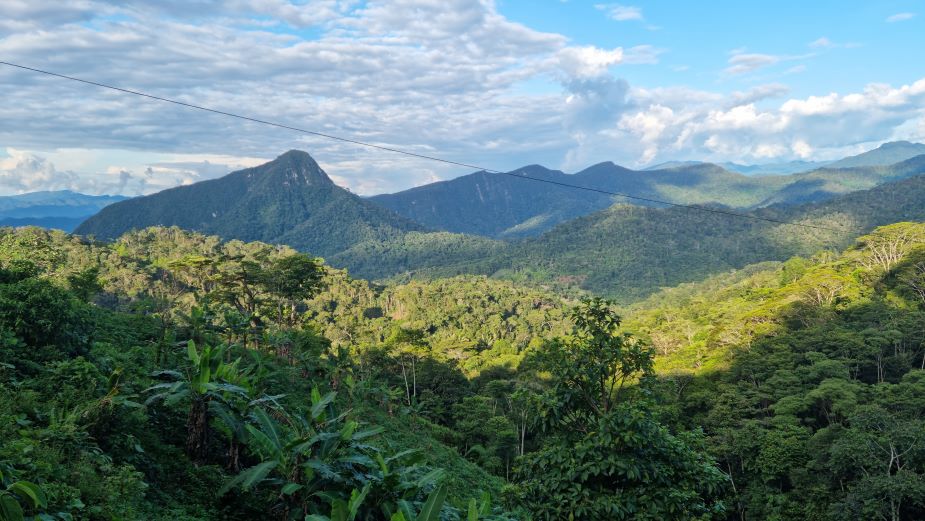
An example of where we’re doing just this is in our exciting new Biodiverse Landscapes Fund Andes Amazon project which protects ecosystems and supports communities in the Andes Amazon region in Peru and Ecuador. Through it we are promoting sustainable livelihoods, strengthening local governance, empowering women, and enhancing climate resilience.
We’ve also just established an ambitious long-term initiative that strengthens national disaster risk management within Andean communities in Peru, Bolivia, and Ecuador, by mainstreaming ways that people get early warnings so that they can take early action to deal with multiple climate hazards. This joint effort between the Swiss Agency for Development and Cooperation (SDC), match funded by the Zurich Climate Resilience Alliance, will see us strengthen coordination, build awareness, and increase the resilience of vulnerable communities across the Andean region.
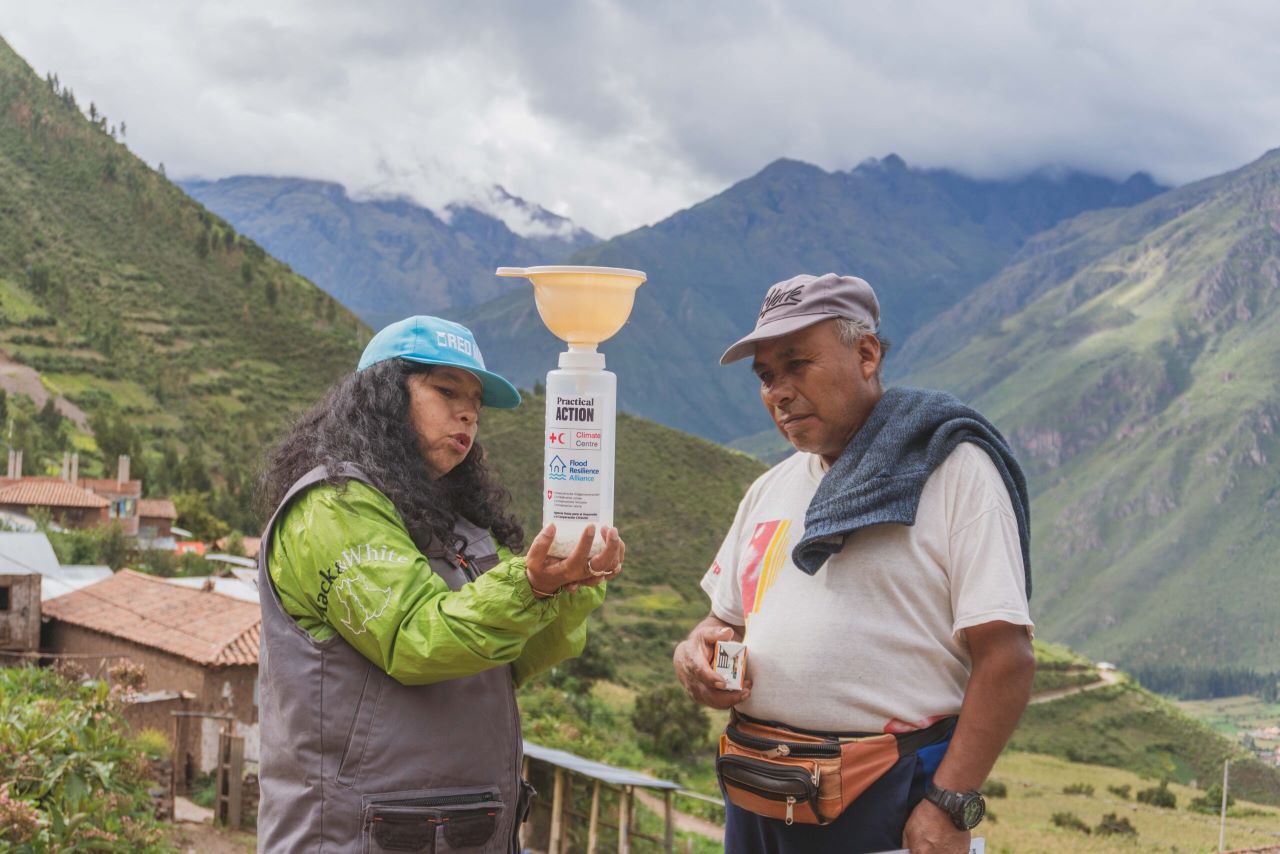
Our experience shows us that the resilience building of local communities, linked to national early warning systems delivers strong results and can inspire global adaptation efforts. Our work in Latin America demonstrates the potential for local solutions addressed by local communities, and other stakeholders to be taken to the global stage.
Our unique approach is allowing us to discover solutions, demonstrate pathways, and drive transformation. Our priorities for the future are to continue to support transformative change focusing on livelihoods and conservation in the Amazon, resilient livelihoods in the Andes, and climate resilience in high-risk areas. We think big change can happen in Latin America and we’re excited for what’s ahead.