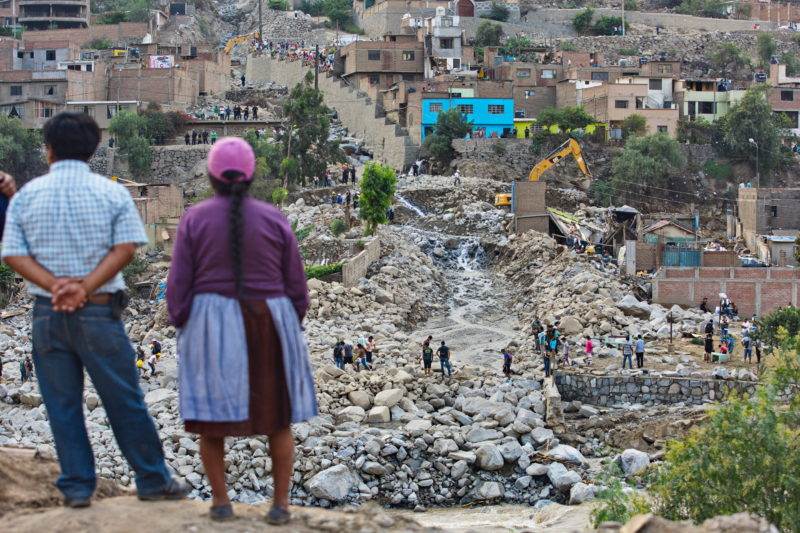
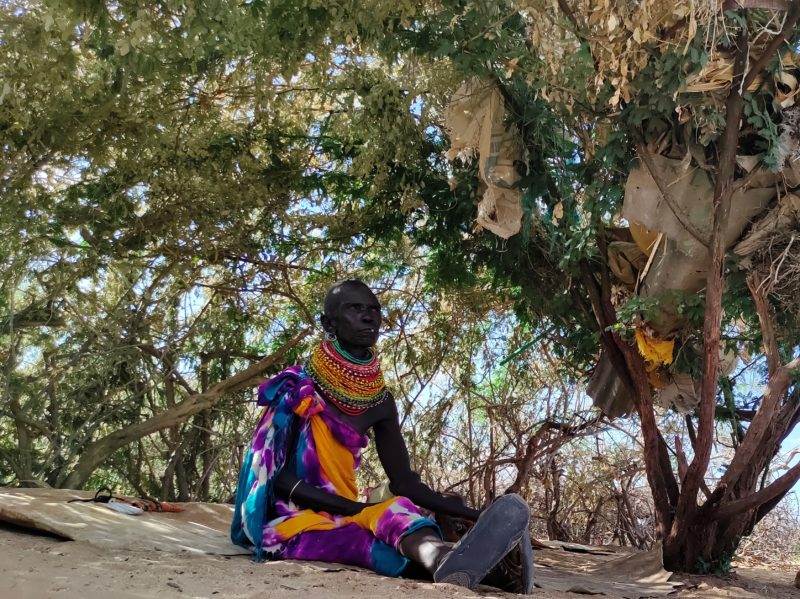
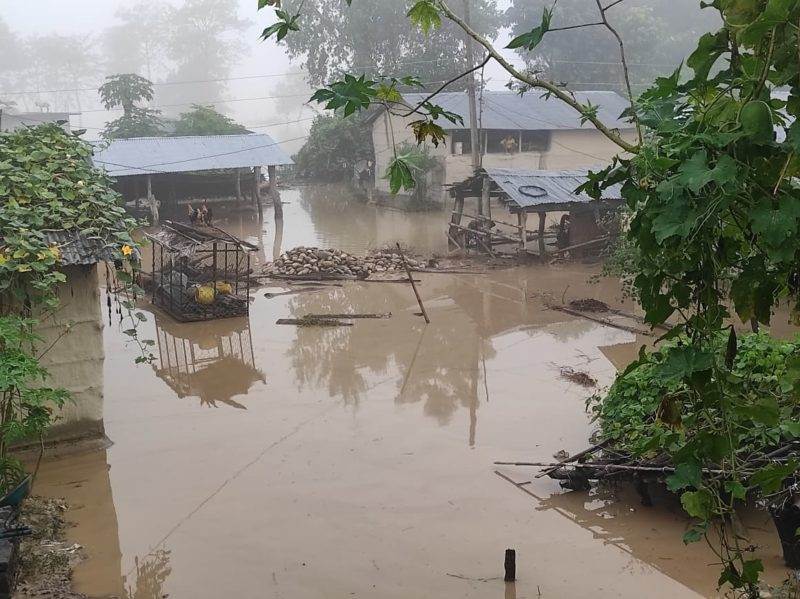
Loss and Damage finance is a hot topic at this year’s COP. You may have heard the term ‘Loss and Damage’ mentioned during coverage of the event, but what does it mean? And why are Practical Action pushing for fairer financial settlements for climate-related damage in Egypt this fortnight?
Read on for a ‘beginner’s guide’ to loss and damage.
What is ‘loss and damage’?
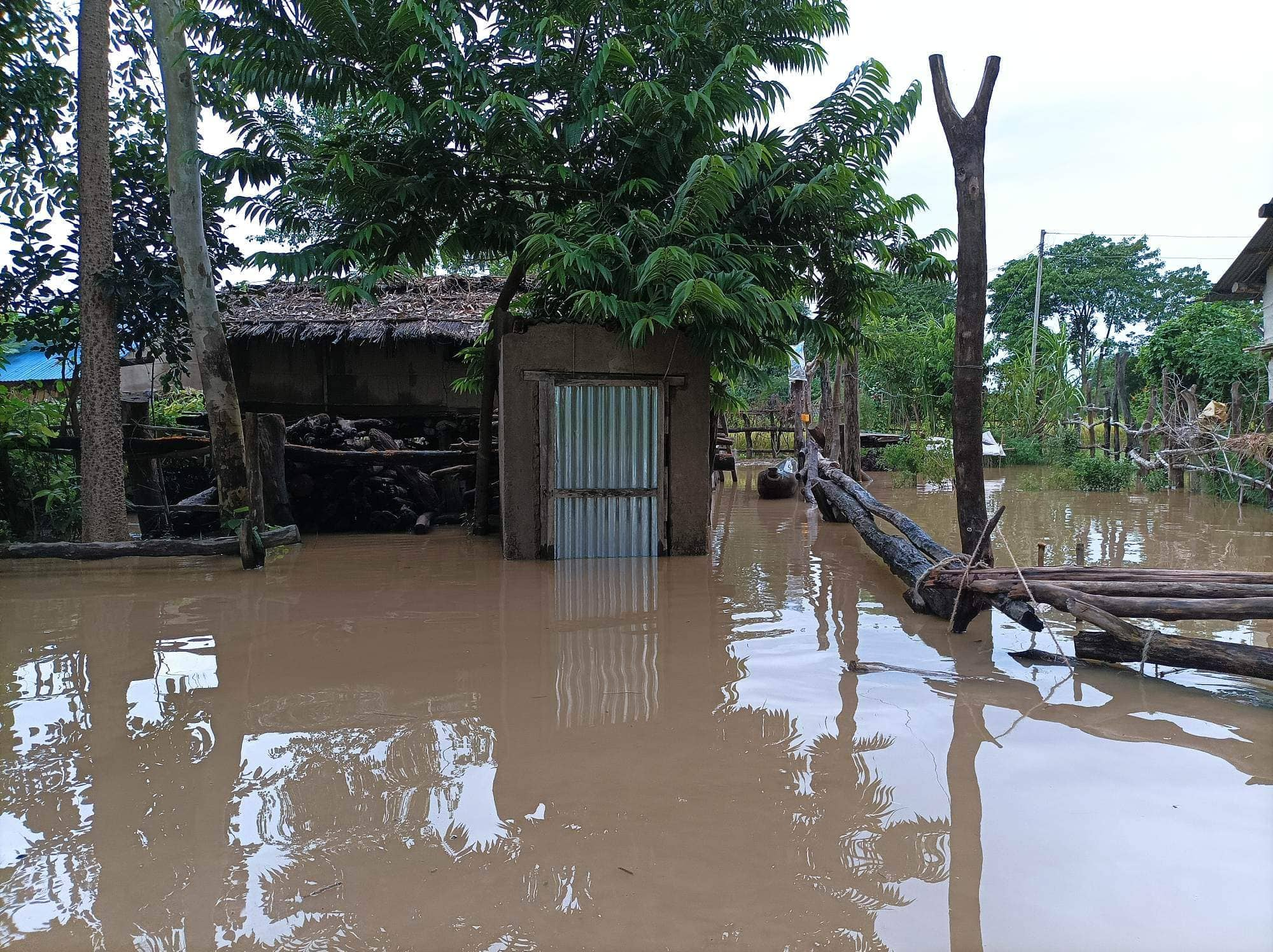
In short, it is the ‘costs’ associated with climate change. Disasters caused by climate change are resulting in irrevocable changes to our landscapes, livelihoods and day-to-day lives. The financial cost of damage to, or loss of, infrastructure, buildings, homes and jobs can be huge.
However, loss and damage ‘costs’ go much further than this and some elements are hard to quantify in financial terms. Job losses, loss of biodiversity, the loss of ancestral lands, reduction in traditional knowledge and the damage to mental health are just some examples of what loss and damage caused by man-made climate change encompasses.
How much do climate disasters cost?
When natural hazard hit, the financial cost of damage to, or loss of, infrastructure, buildings, homes and jobs can be huge. In the first ten months of 2022 alone, damage stemming from climate change-induced disasters is estimated to amount to almost £200 billion[i] (for perspective, this is more than Greece’s annual GDP[ii]). To take just one example, the severe heatwaves followed by devastating flooding in Pakistan this year has taken an estimated financial toll of £26 billion – more than 10% of the country’s GDP.
The actual cost of floods, storms, landslides, cyclones, droughts and wildfires is very difficult to accurately quantify and comprehend. The values reported are often based on insured losses, meaning the sums reported in wealthier countries are usually higher, and many other properties and assets are not included in estimates. Damage to infrastructure, buildings and homes are, of course, only one part of the picture: we cannot underestimate the value and weight of job losses, fatalities, livelihoods washed out to sea, trauma, loss of biodiversity and the irreparable destruction of natural ecosystems and cultural heritage sites.
The impact on livelihoods and individual families tends to be exacerbated in poorer countries, where insurance schemes are less likely to be place, and where local authorities lack sufficient budget to invest in mitigation measures, such as flood defences or forecasting and early warning systems. Secondary, knock-on effects are also often overlooked in financial loss calculations. Mental health scars and anxiety levels that linger in the aftermath of disasters and displacement, and the changes to family circumstances are difficult to quantify. After floods in Bangladesh for example, a rise in child labour and girls marrying underage was reported, most likely due to increased financial needs.
Who is currently paying this cost? – And who should be responsible?
In wealthier countries, individuals may rely on insurance to cover the cost of damage and material losses. When disaster strikes in less developed countries, national governments and international humanitarian organisations usually step in, but both are very overstretched and underfunded. Over the longer reconstruction period however, much of the cost of the losses and damage fall to individual households and families. For example, it has been estimated that in Bangladesh rural households spent an estimated $2 billion on climate-related disaster repairs and risk management in 2015 alone. This is 50% more than the amount spent by the government and 12 times more than what was received from international institutions[iii]. This means that much-needed income which could have been spent on food, education and healthcare had to be used on repairing damage to smallholdings and homes, replacing livestock and safeguarding homes against further flooding.
Communities which are already living close to or below the poverty line cannot foot the bill themselves. The question of who should be held accountable for climate-change induced losses and damage is really a question of global justice. With so much scientific evidence on C02 emissions and increased adverse weather, many believe that it is morally unjust for those who have contributed least to the causal factors of the climate crisis, and have the least means to deal with it, to have to bear the brunt. Campaigners for loss and damage finance cannot ignore the failure of wealthier, developed nations to act sooner in reducing carbon emissions and mitigating a crisis. This is a global emergency which calls for shared responsibility and a global solution.