Markets and private sector investment are an important driver of community-based adaptation.
Without them, publicly funded adaptation initiatives, no matter how efficient or impactful they are, will mean that communities and countries fail to effectively adapt to climate change.
Both public and private institutions need to work together with the shared objective of climate resilient development.
By: Chris Henderson, Sam Greene, Susan Nanduddu and Sam Barrett
What do we mean by the private sector?
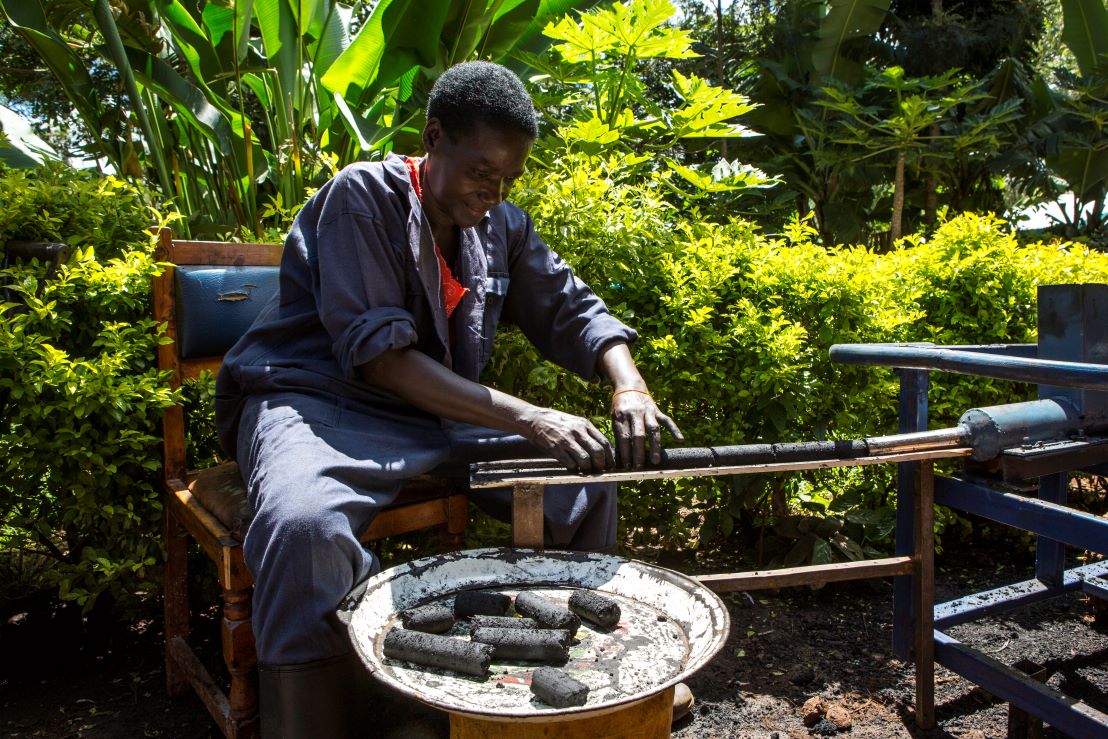
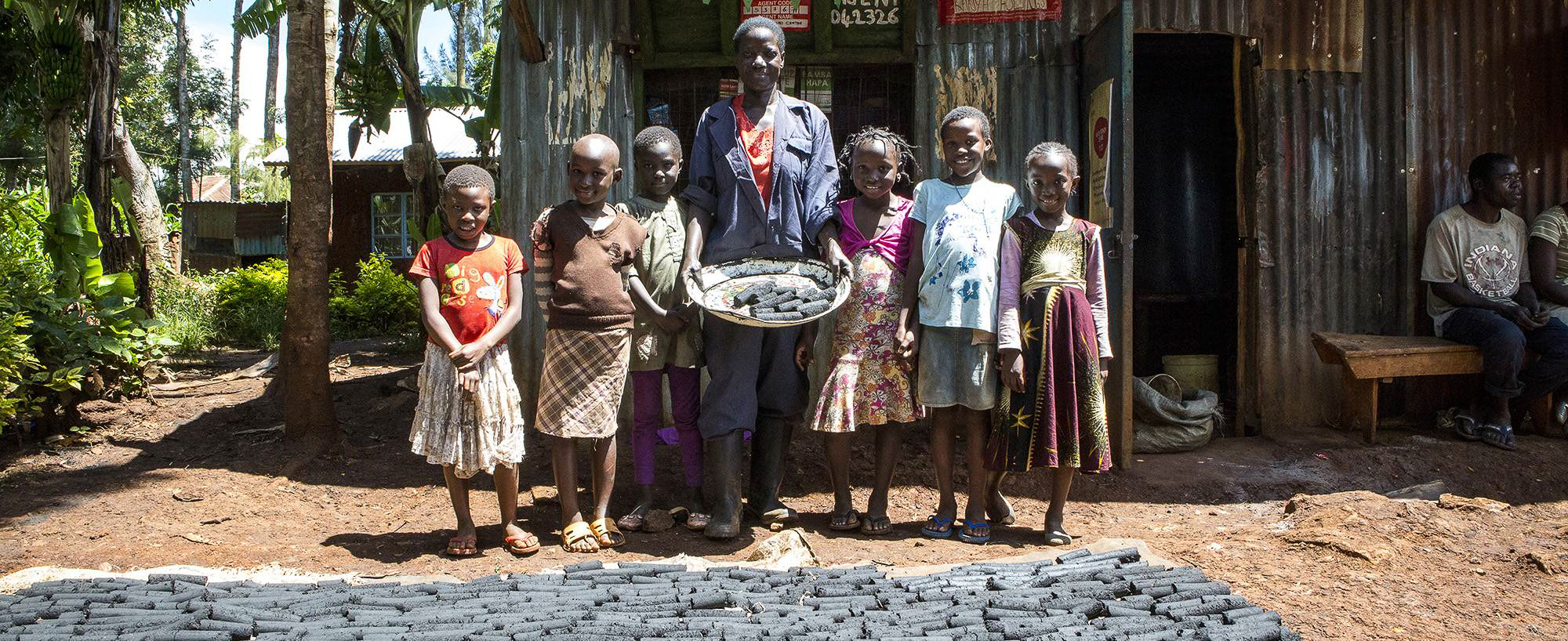
When we talk of the private sector here, we are using the term in its broadest sense – from multinational companies down to Micro, Small and Medium Enterprises (MSMEs), smallholder farmers and informal individual entrepreneurs and traders. For truly locally led, community-based adaptation, the latter are the most important private sector actors because they create and enable the livelihoods of the people most affected by climate change. This group is already typically heavily invested in adapting to climate change impacts, with evidence showing that household investment in adaptation dwarfs publicly available finance. And yet much of this local investment focuses on absorbing climate risks rather than transforming livelihoods for future resilience.
At the same time, we must recognise that the opportunities, markets and business models of small and local private sector actors are deeply connected to the activities and investment of larger stakeholders such as companies and investors, local, national and international. For example, global supply chains and markets heavily influence smallholder farmer prices, while investment is driving changes in technologies and ways of doing business. Particularly in the more vulnerable countries, civil society organisations also have an outsized role in how markets function, sometimes acting as investors, other times as providers of free or low-cost services, infrastructure, and advice.
How can we improve private sector engagement?
Public climate finance investment in adaptation remains inadequate, and it is clear that we need to mobilise the resources, initiatives, and efforts of the private sector to deliver sustainable and transformative adaptation at scale. But how can this be done in a way that works for the most vulnerable, and particularly for poor people in developing countries facing climate risks every day, without effective enough institutions to support them?
This question was central to a discussion at this year’s 18th Community Based Adaptation Conference, in Arusha, Tanzania, which took place in May. Over 300 development practitioners discussed this issue head on in a plenary workshop: Bringing the Private Sector into Community Climate Resilient Development.
The objective of the workshop was to explore strategies for engaging the private sector in meeting the public objectives of supporting inclusive, locally led adaptation, while also generating revenue in ways that are ecologically restorative and socially inclusive.