
At a time when communities on the frontlines cannot afford another moment of delay, these latest talks sent everyone back home empty-handed once again when it comes to the urgent need to escalate adaptation finance.
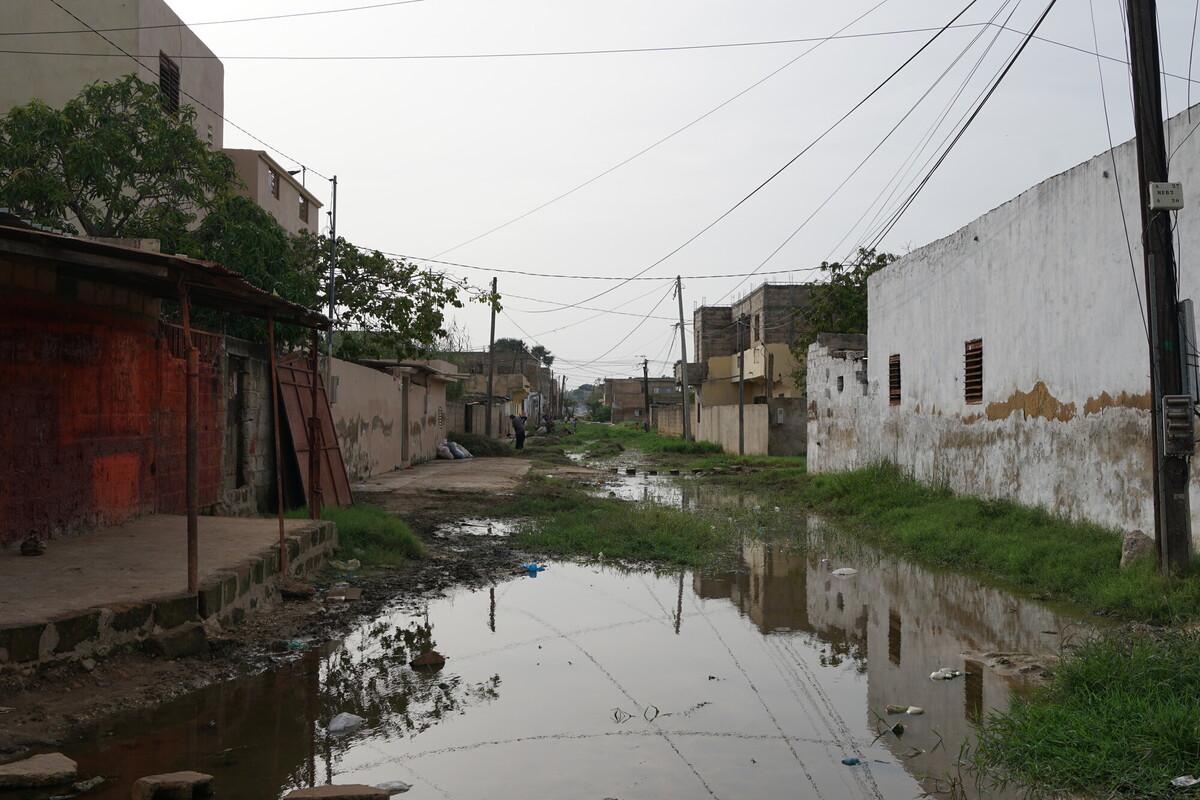
People living on the frontlines of climate change will continue to be left without the money they need to adapt after negotiators failed to agree on key adaptation decisions.
For Practical Action, the outcome highlights a growing disconnect between technical negotiations and the reality facing millions of people already living with the impacts of climate change.
For communities already experiencing more frequent floods, extreme heat, droughts and other extreme weather events, these political disagreements have real-world consequences.
Negotiators were expected to make progress on implementing the Global Goal on Adaptation (GGA) and advancing arrangements for the Adaptation Fund.
However, negotiations collapsed after disagreements over references to the commitment made at the UN COP30 climate talks to triple adaptation finance.
This time no decision was adopted, and the entire agenda item was postponed until COP31.
The negotiations took place at the 64th sessions of the UN Framework Convention on Climate Change (SB64) in Bonn, Germany.
The Global Goal on Adaptation is intended to help countries measure progress in building resilience to climate change. Following the adoption of 59 global adaptation indicators at COP30, negotiators in Bonn were expected to agree on the next steps for implementing the framework, including establishing a task force of experts and beginning work on the Baku Adaptation Roadmap.
The stalemate reflects a deeper challenge within international climate negotiations. While developed countries continue to emphasise technical processes and reporting frameworks, developing countries have repeatedly stressed that adaptation targets cannot be achieved without the financial resources required to implement them.
Without adequate finance, countries cannot strengthen data systems, develop and implement National Adaptation Plans, or ensure adaptation measures reach the communities most vulnerable to climate impacts.
Demet Intepe, Practical Action’s Climate Adaptation and Resilience Expert, said:
“COP30’s promise of swift implementation is dying a quick death in front of our eyes before we even reach COP31.”
At a time when communities on the frontlines cannot afford another moment of delay, these latest talks sent everyone back home empty-handed once again when it comes to the urgent need to escalate adaptation finance.
“If people are to have the slightest hope of adapting to the rapidly changing environmental conditions, giving them the financial means to do so, without delay, is their only fighting chance. The Global Goal on Adaptation cannot be achieved without the delivery of finance.
As attention turns to London Climate Action Week, Practical Action will be showcasing real-world adaptation solutions to the climate crisis that are already delivering results for communities around the world. These are solutions that are ready to be replicated and scaled. What they need now is the finance and commitment to help turn local success into lasting change for people on the frontlines of climate change.”
The Women and Gender Constituency (WGC), of which Practical Action is an active member, has consistently called for gender equality and social inclusion to be embedded throughout adaptation planning and implementation. Women, Indigenous Peoples, young people, people with disabilities and local communities are often among those most affected by climate change yet continue to face barriers in accessing adaptation finance.
Progress was also limited on the future of the Adaptation Fund. Negotiators adopted only a procedural decision, while once again deferring agreement on arrangements needed for the Fund to transition fully under the Paris Agreement.
At the heart of the disagreement is a long-running debate over responsibility for climate finance. Developed countries are seeking to broaden the pool of countries expected to contribute, while many developing countries argue that existing commitments must be honoured.
The adaptation finance gap remains vast and continues to grow. Yet the Bonn talks failed to deliver meaningful progress on increasing financial support or improving access to funding for those who need it most.
The discussions taking place throughout London Climate Action Week must now be matched by action. Practical Action is calling on governments and the private sector to move beyond discussions and demonstrate the will needed to deliver adaptation finance at the scale and speed required.
Without accessible, equitable and locally led finance, global adaptation goals will remain words on paper rather than solutions for the communities facing the climate crisis every day.