Financing agriculture and energy where it matters most
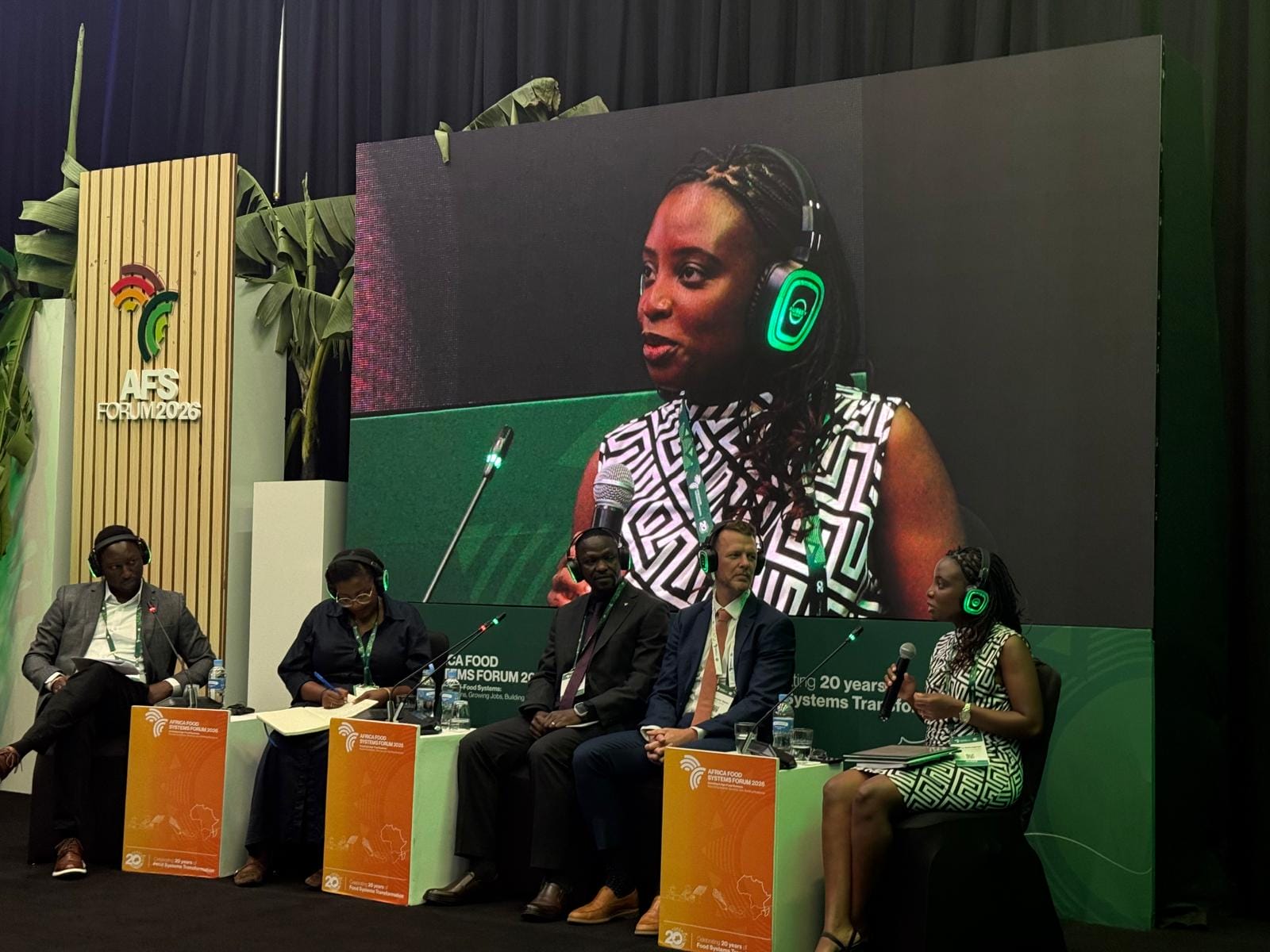
At the Africa Food Systems Forum, held from 31 August to 4 September 2026, Practical Action and the Rockefeller Foundation brought people together to explore a pressing question: how can finance help productive use energy reach underserved farmers, enterprises and communities?
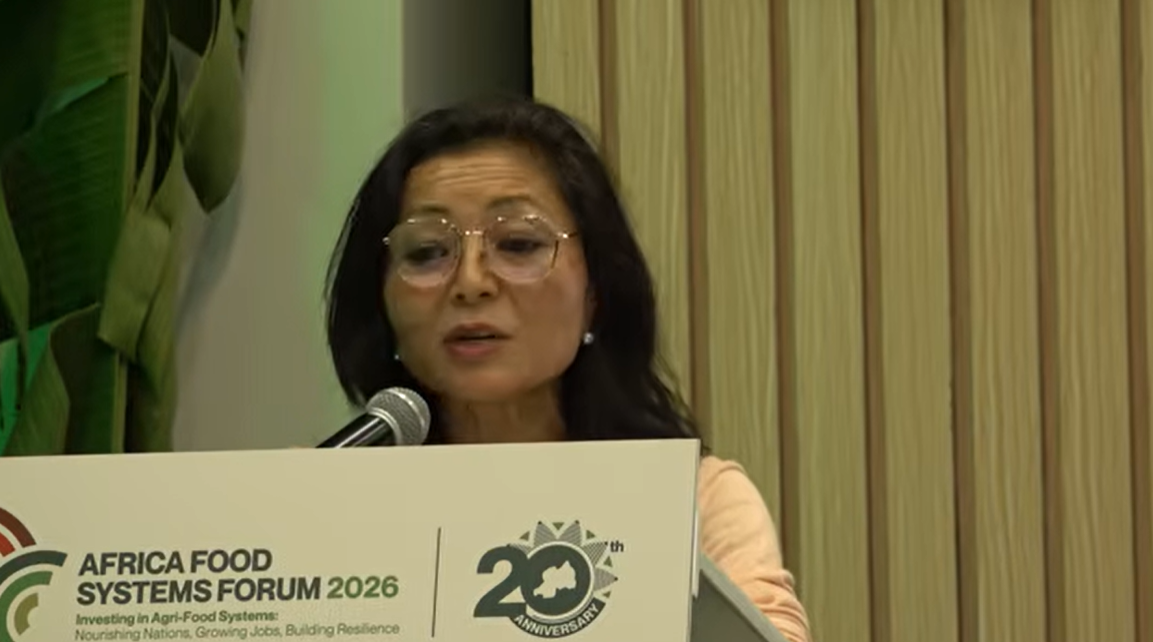
Practical Action’s Africa Director, Akinyi Walender, opened the session before Tim Mwangi, Head of Programmes Delivery at Practical Action Kenya, led a panel with representatives from Acumen, The Global Energy Alliance for People and Planet, the National Organic Agricultural Movement of Uganda (NOGAMU), the Mastercard Foundation and the Rockefeller Foundation. Across the discussion, one message stood out: energy solutions have far greater impact when finance, markets, farmer organisations and energy providers work as one connected system.
Need alone does not create a market. Productive use of energy takes off when the right technology is backed by reliable buyers, access to affordable finance and enough customers to make it commercially attractive for PUE distributors.
That is where aggregation can change the picture. Strong cooperatives and other collective models can help farmers reach markets, give PUE suppliers the scale they need and reduce risk for lenders. But agriculture and energy still too often operate in separate spaces, even when they are trying to solve the same problems.
Finance is another sticking point. PUE providers and agricultural off-takers need working capital, as well as a clearer path from early support to commercial investment. The panel called for a connected ‘capital continuum’ that uses grants and philanthropic funding to test ideas and reduce risk, concessional finance to help them grow, and commercial capital when they are ready to scale.
This means using philanthropic or catalytic funding with purpose. It can open doors for a greater variety of people and businesses that mainstream finance often overlook. The same applies to subsidies: when they are targeted and time-bound, they can unlock progress without creating long-term market distortion.
Practical ideas on reducing the cost of capital were shared. Assessing risk at cooperative level, rather than farmer by farmer, can reduce risks and costs. Partnerships between capable cooperatives, off-takers and equity investors can also spread risk and give promising enterprises more room to grow.
The session ended with a practical challenge: start connecting now. Progress does not depend on building a complex new platform. It begins with simple commitments to share knowledge, align investment and work together more intentionally. By joining up agriculture, energy and finance, we can help more farmers and enterprises turn energy access into stronger livelihoods and lasting opportunities.
Access a recording of this event below.