New ideas and a drive for change are never in short supply in refugee camps. But for many aspiring entrepreneurs, accessing both a reliable source of energy and the technologies needed to seize business opportunities remains a significant challenge.
Renewable energy technologies have the potential to unlock new opportunities and help turn business ideas into thriving enterprises. But making these technologies available is only part of the equation. Ensuring people can access, afford and use them successfully requires programmes that are designed around local realities.
From 2024, Energy Saving Trust co-Secretariat of Efficiency for Access, in partnership with Practical Action, has been implementing the Humanitarian Productive Use of Renewable Energy (H-PURE) programme across three refugee camps and neighbouring host communities in Rwanda. Working with three local distributors, the programme is making a range of standalone solar-powered appliances, including refrigerators, freezers, grain mills, sewing machines, hair clippers and energy kits, available at subsidised prices to help entrepreneurs start and grow their businesses.
As the programme has progressed, it has generated valuable insights into the practical realities of delivering productive use of renewable energy in humanitarian settings. The lessons below are intended to help future programme designers and implementers anticipate challenges, adapt to local contexts, and maximise the impact of similar interventions.

Lesson 1: The availability of appliances shape what gets delivered
Established off grid solar appliances such as refrigerators, freezers and grain mills are relatively easy to procure, as they have been in the market longer and are supplied by multiple manufacturers. In contrast, newer innovations such as solar sewing machines and egg incubators, are significantly harder to source. These products are often still nascent, with limited suppliers, and may still be in research and development, lacking certification or field testing.
Even when available, lead times tend to be longer, as these products are often made to order with little or no ready stock, which can delay project timelines.
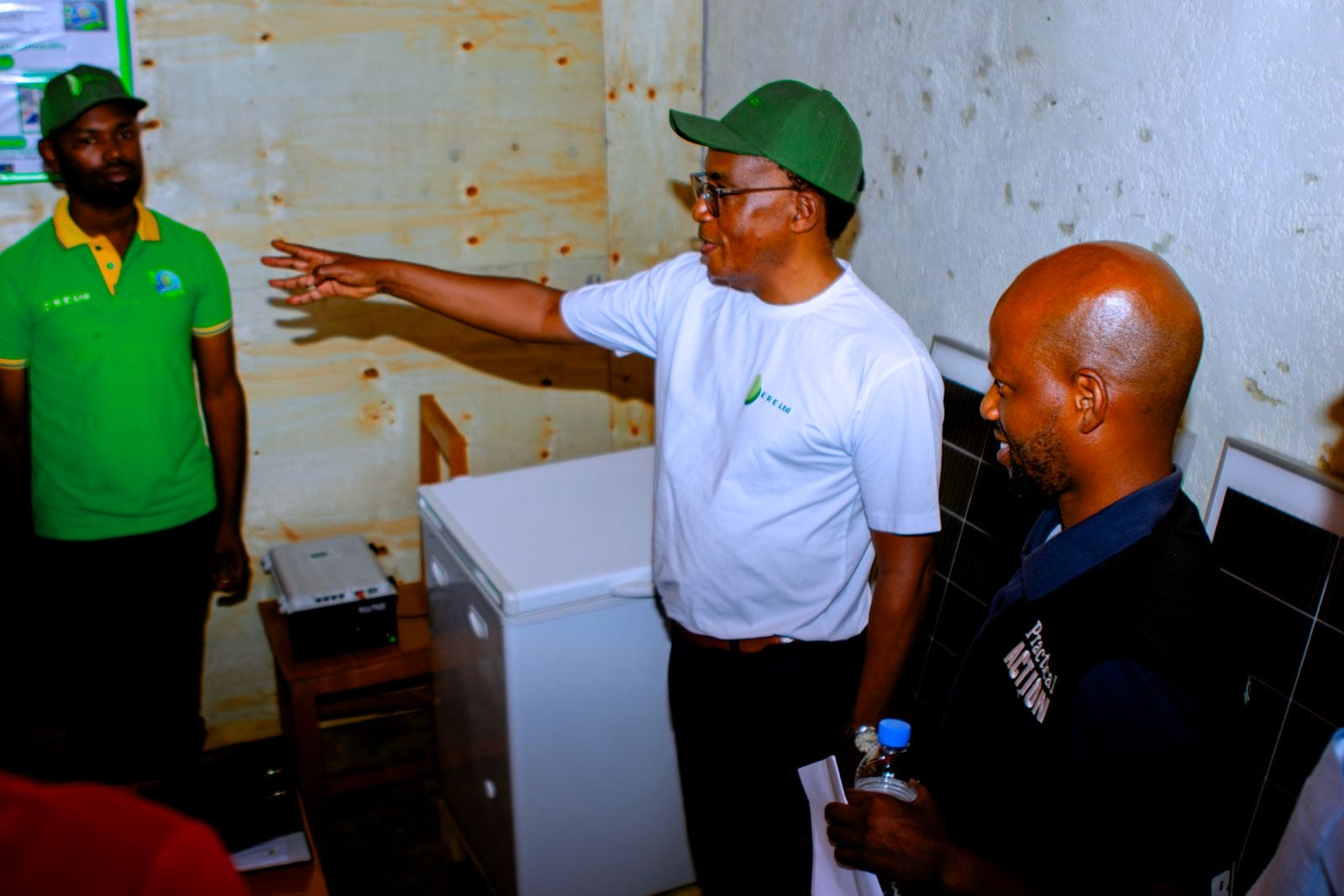
Lesson 2: Always expect delays, from shipping to financing to customs
There is limited availability of solar appliances within sub‑Saharan Africa, with most products imported from China. Shipping typically takes 45 days and can extend to three months.
Some manufacturers also require 100% upfront payment before dispatch. Distributors without immediate liquidity may need to secure financing, further delaying installations.
Customs delays are common. While many solar-powered appliances have some tax exemptions, products such as lights, hair clippers and sewing machines (included in energy kits) can be misclassified, as they do not always resemble typical solar appliances.
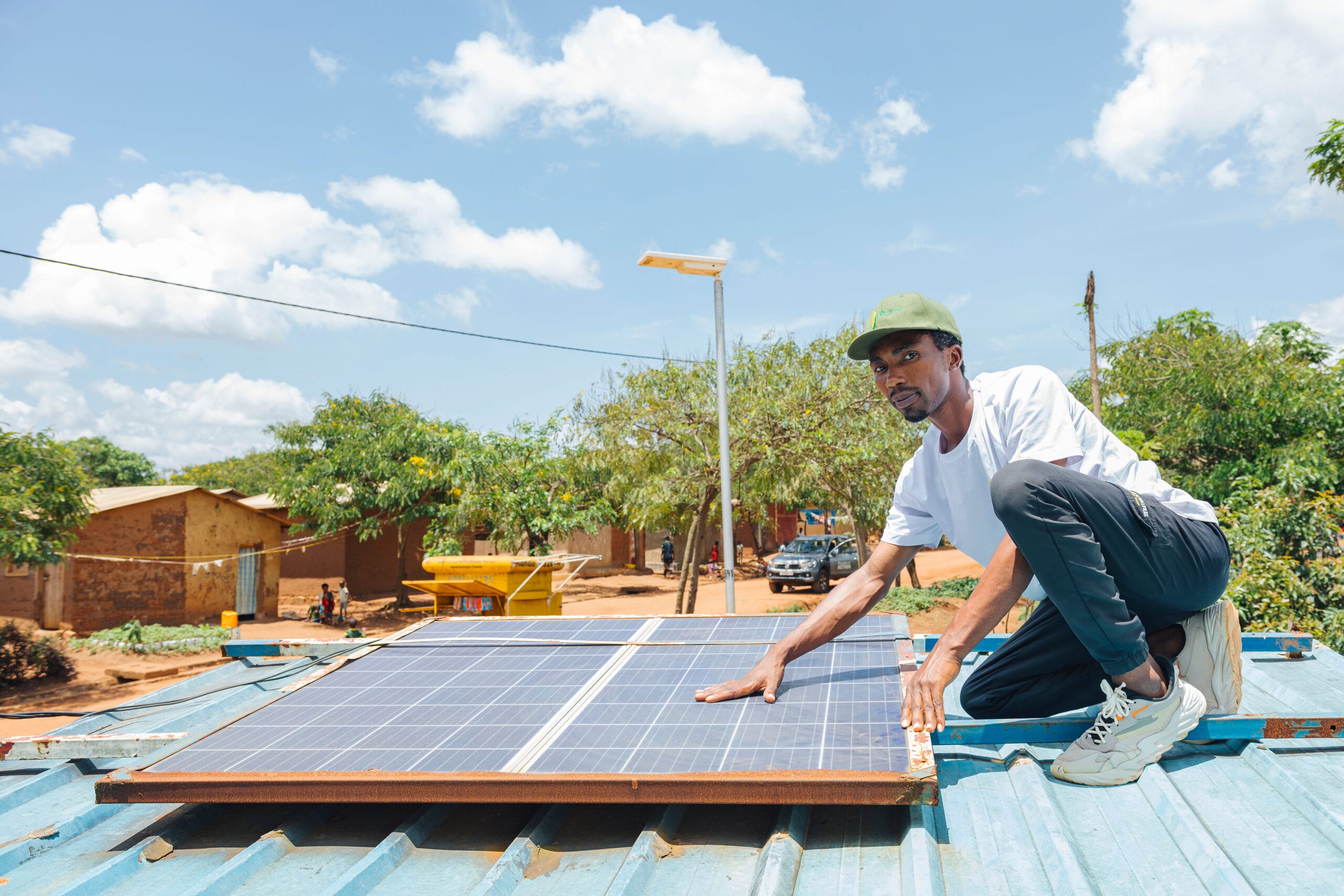
Lesson 3: Affordability alone is not enough; solutions must meet user needs
Solar energy kits were among the most popular offerings, due to their relatively low cost and ability to support a wide range of businesses. However, they were sold as fixed bundles of appliances, with radios, televisions, hair clippers and lighting, which created challenges.
Entrepreneurs who did not need the full package still had to purchase the entire system, increasing upfront costs and reducing accessibility for lower income users and smaller businesses needing only specific appliances.
The fixed model also failed to reflect different business needs. As bundled systems were relatively expensive, distributors struggled to sell additional units without subsidies. The lack of modularity limited incremental sales and gradual adoption.
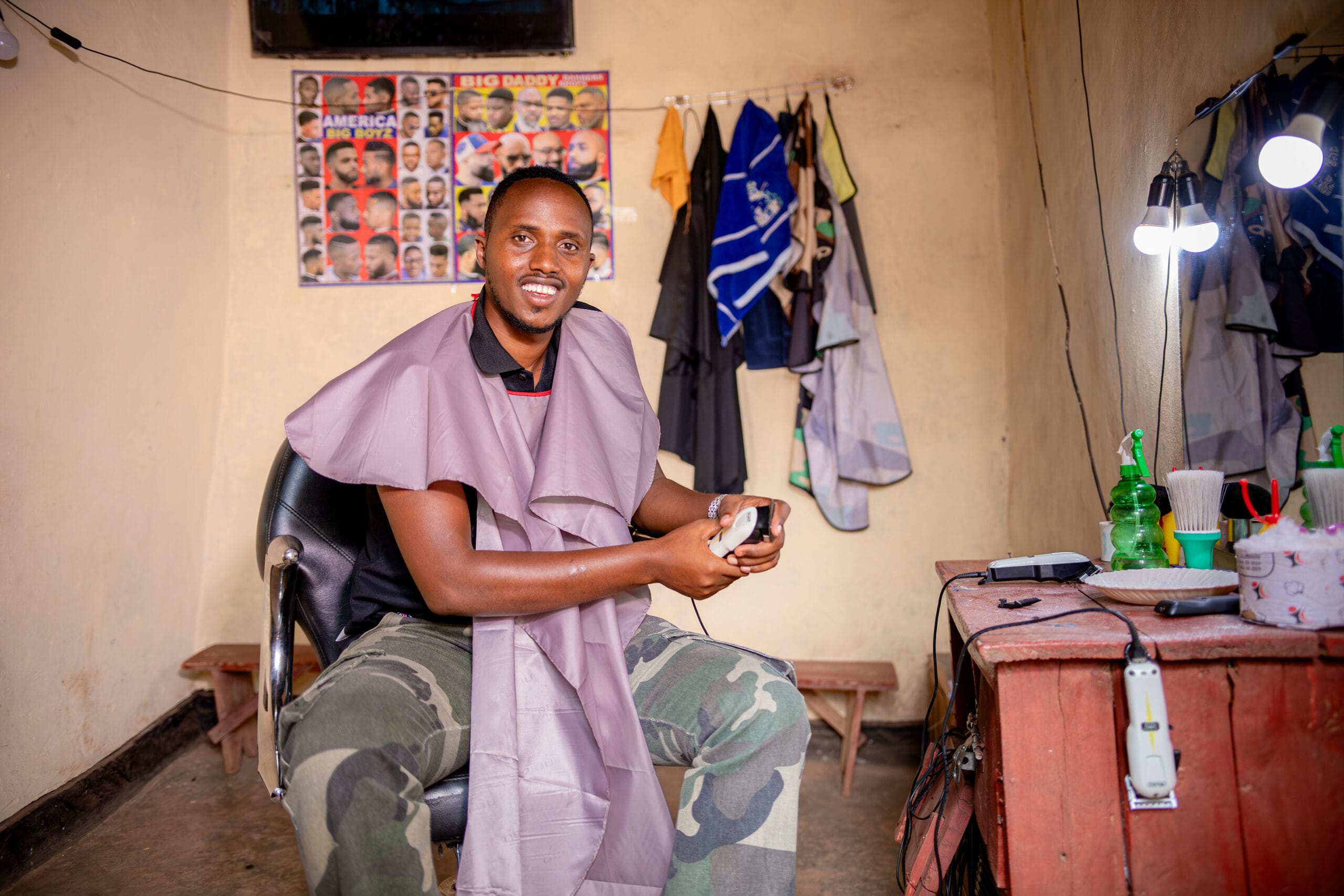
Lesson 4: What works in one market won’t always work in another
Although appliance selection was informed by local data, market limitations meant products did not always fully meet user needs.
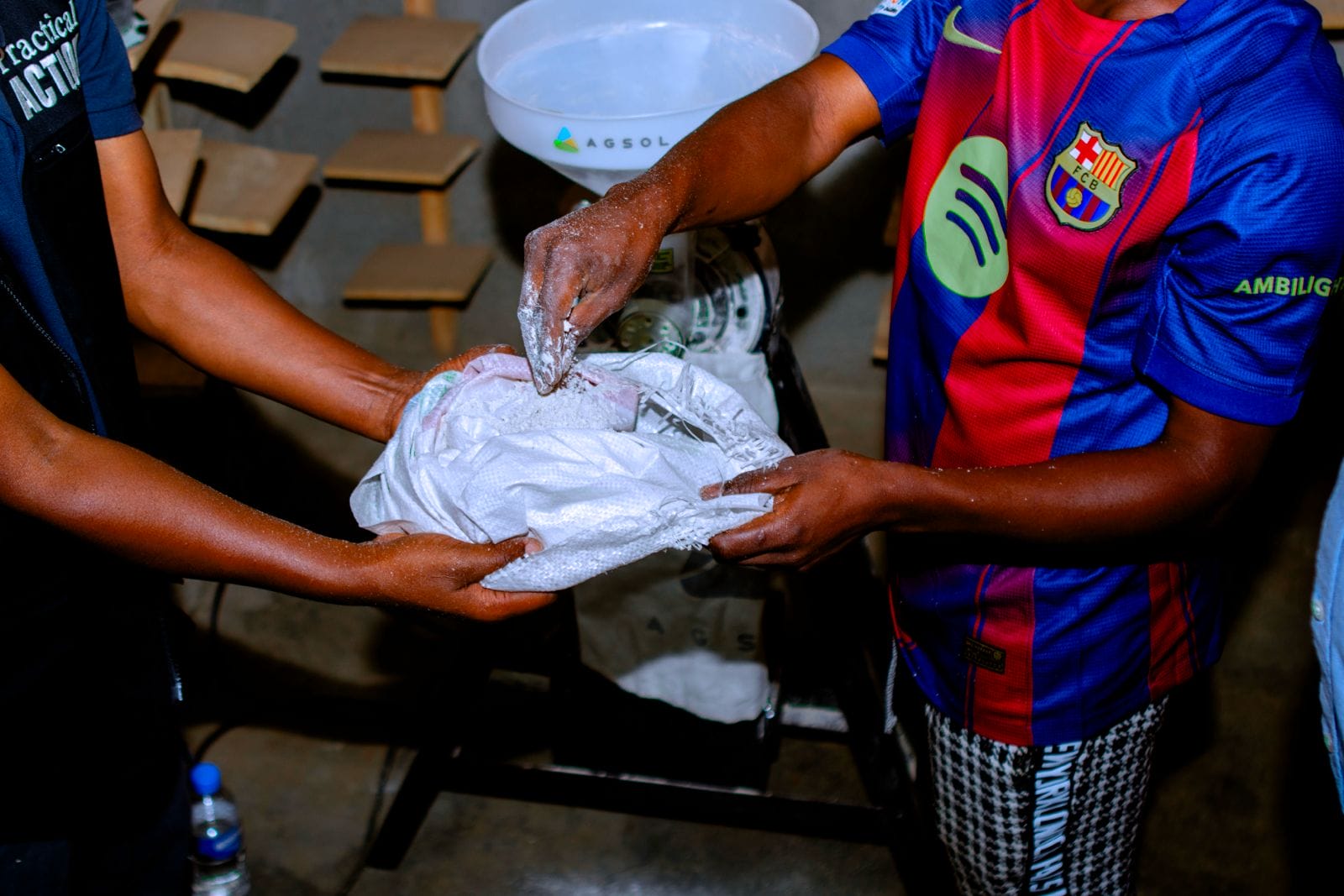
For example, solar-powered mills were sourced from a manufacturer in Kenya to reduce delivery times. However, these mills did not align with local preferences in Rwanda, where maize is a staple grain and finely milled maize flour is strongly preferred. The mills were fitted with a 1.1 mm mesh screen, which performed well for smaller grains such as sorghum and millet but produced coarse maize flour, leading to dissatisfaction among users.
Initial attempts to locally fabricate smaller mesh screens (0.6 mm) meshes were unsuccessful due to poor fit and durability. Distributors then worked directly with the manufacturer to develop an improved 0.8 mm mesh, which was successfully tested and rolled out, enabling users to produce finer maize flour more aligned with local dietary preferences.
Lesson 5: Technology is only as effective as users’ understanding
Challenges in user experience were common, often due to varied understanding of how appliances operate.
Dissatisfaction with the battery capacity of mills, sewing machines and energy kits was a recurring issue, as users expected systems to run continuously throughout the day and night. Distributors and field staff had to manage expectations actively and support appropriate usage to ensure optimal performance.
Challenges also arose with Pay As You Go (PAYGo) systems. Tokens used to track payments can automatically switch off appliances if payments are missed — even by a single day. This frequently led to late-night calls to the sales agents from users reporting non‑functioning appliances, particularly refrigerators.
Lesson 6: People don’t finance products the way you expect, they finance them the way they can
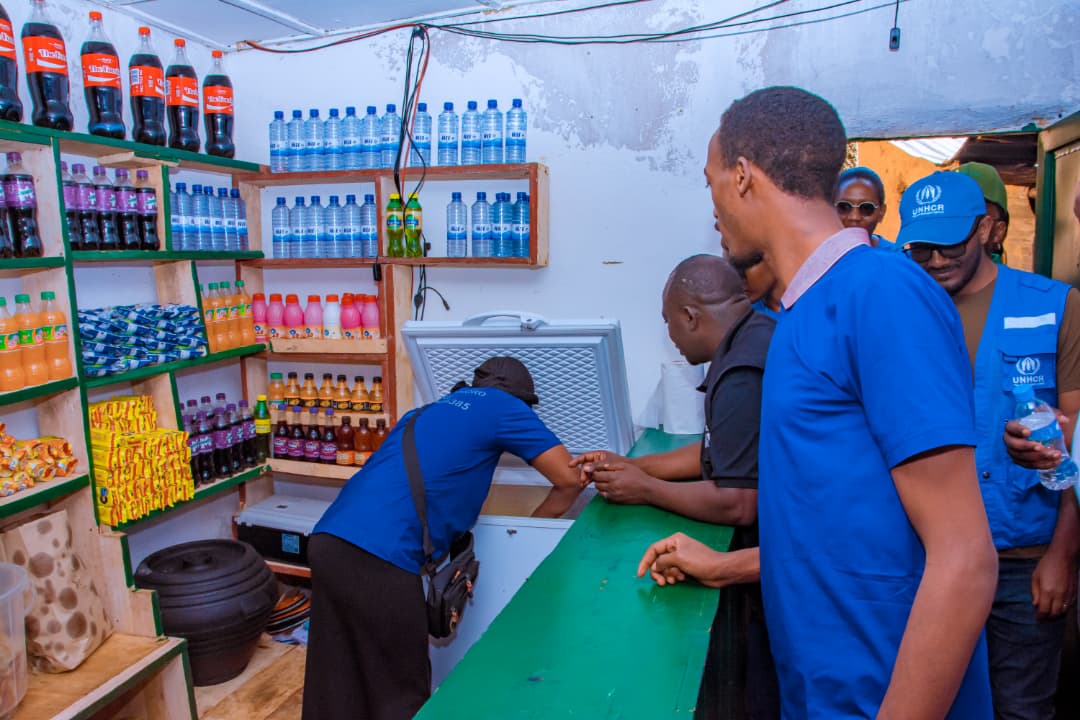
An 80% subsidy was introduced to support uptake of higher cost appliances such as refrigerators and solar mills, based on prior project experience and market assessments. However, implementation showed that not all users required this level of support. More established entrepreneurs were able to buy the appliances with significantly less financial support, suggesting that a uniform subsidy approach may not be the most effective way to reach more people
This highlights the need for more targeted, tiered subsidy models that reflect different levels of affordability and business maturity, rather than applying a one‑size‑fits‑all approach across all users.
In parallel, it became clear that local financing pathways differed from our initial understanding. Formal microfinance institutions were often hesitant to lend, while entrepreneurs relied more on informal lending groups, which were faster and more flexible. This reinforces the importance of aligning financial support with how people already access and manage money.
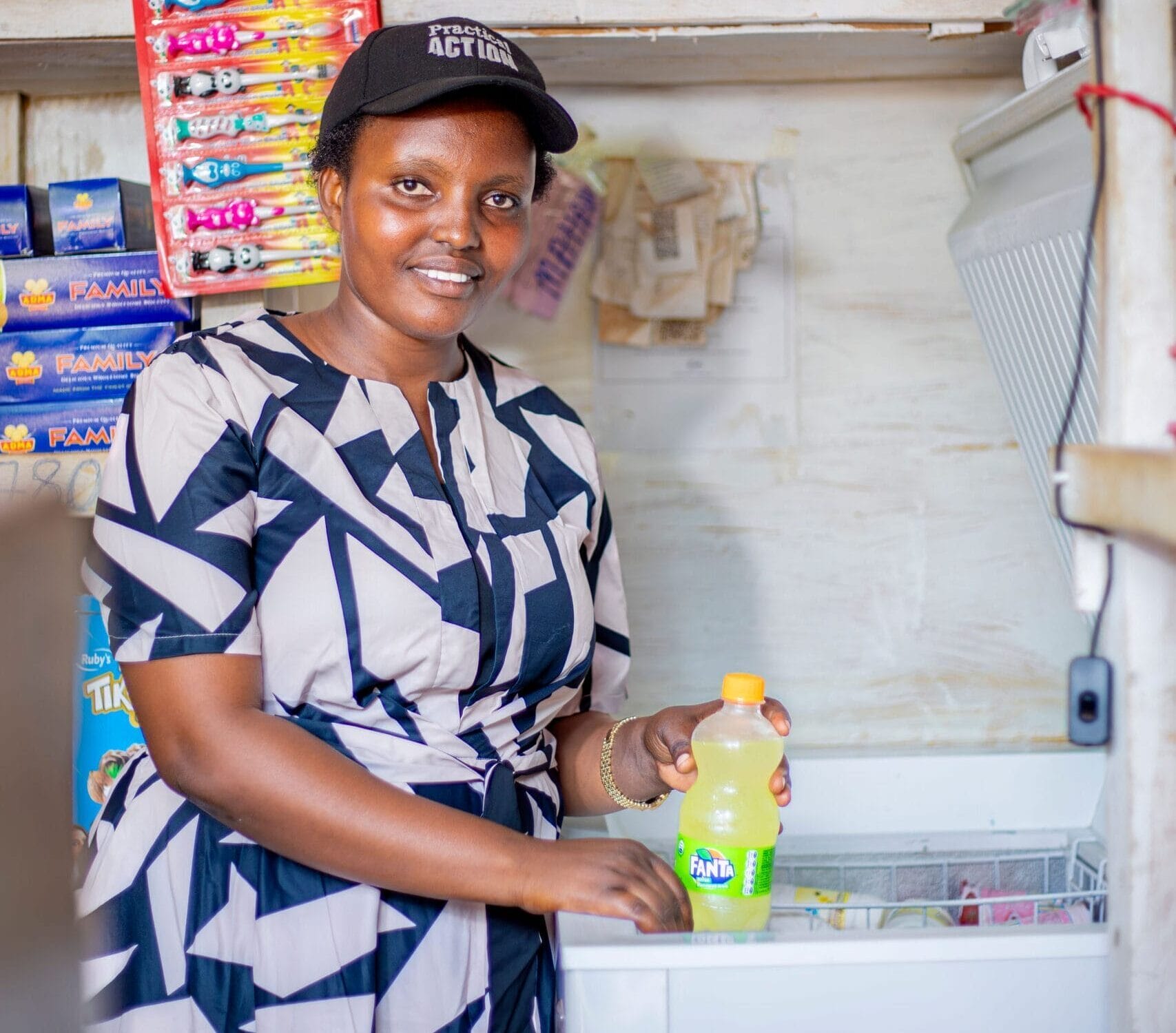
“Initially, we were concerned about the uptake for some of the appliances, as they had been introduced for the first time. However, demand has been high, often exceeding what we could supply. Subsidies have helped make the appliances affordable for most entrepreneurs, and repayment rates have been encouraging. We also learned that user awareness and training are just as important, helping people understand how to use the appliances effectively and managing expectations on the challenges and limitations of these appliances.”
Liya Bensy Thomas H-PURE Lead, Energy Saving Trust
To learn more about H‑PURE, please contact: [email protected] or [email protected]
Read our blog post for more detailed insights into lessons learned from financing support in humanitarian settings.