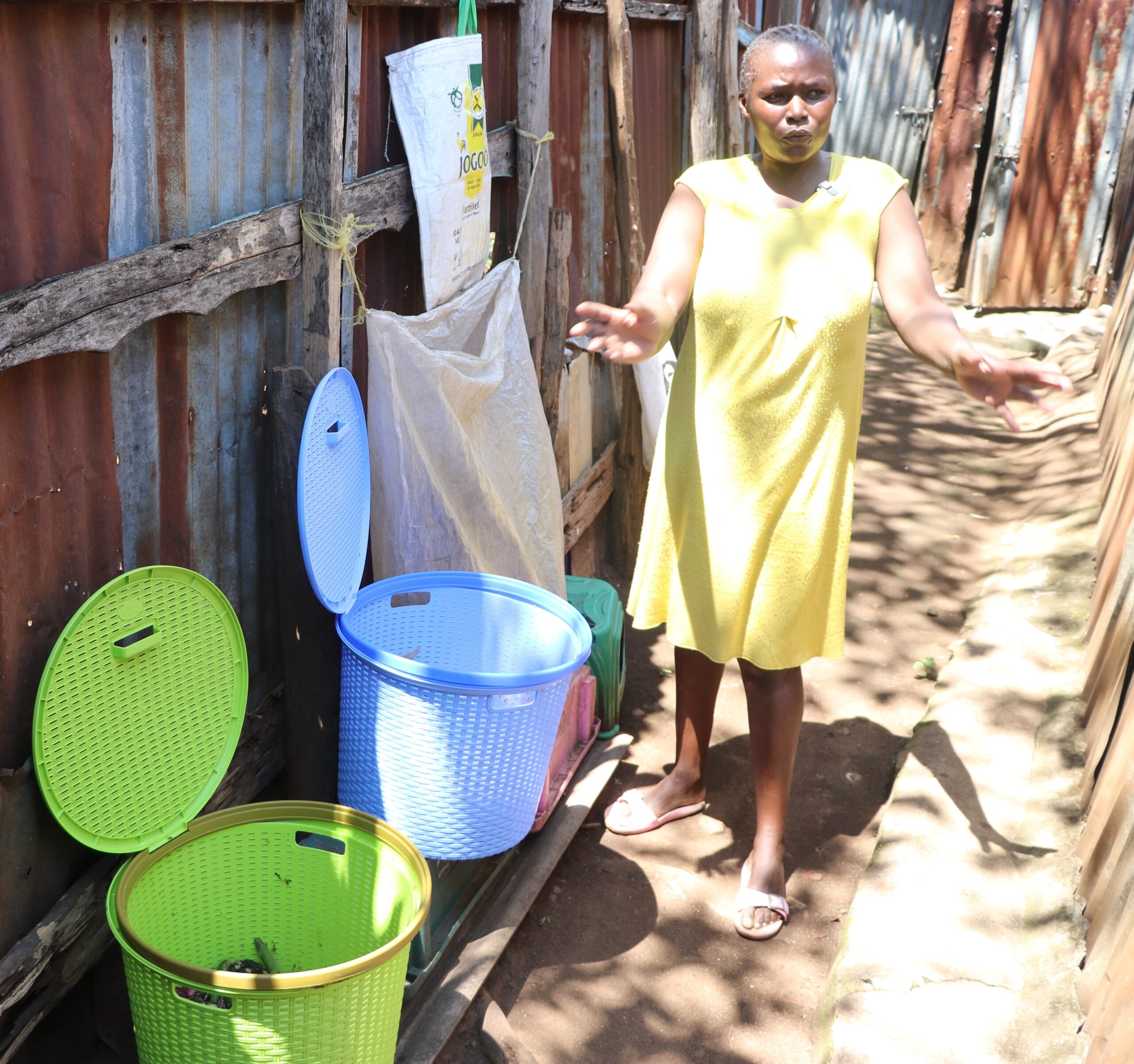
At first, I resisted the idea. I thought it was too much work. But I am happy with the results. My home and neighbourhood are cleaner, and there is less smoke.
Thousands of people in Kisumu are enjoying cleaner neighbourhoods, improved waste collection and healthier living conditions thanks to efforts to tackle open waste burning. Households, schools and waste picker groups are adopting safer waste management practices, helping to reduce harmful air pollution in Kenya’s third-largest city.
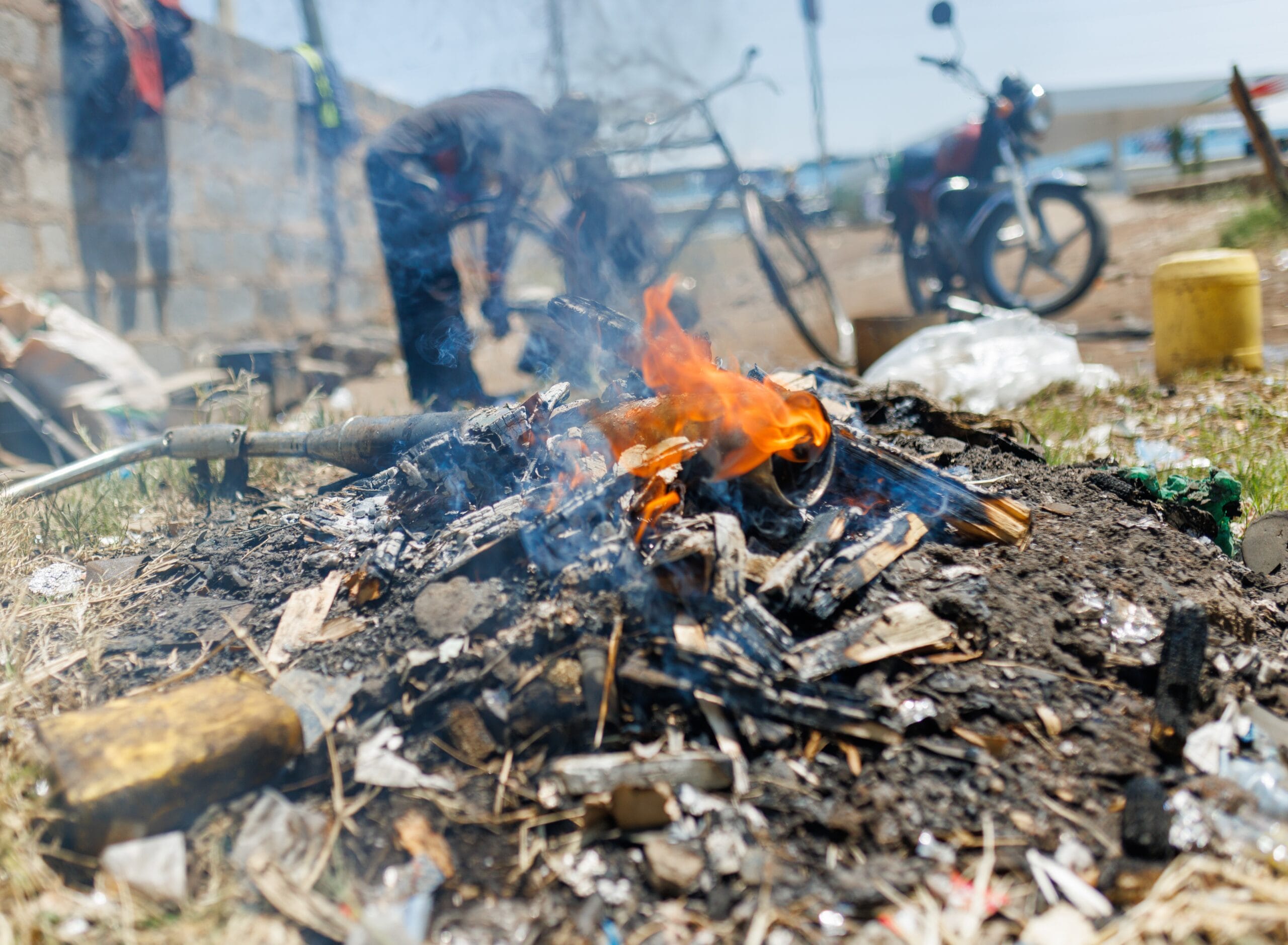
Open burning of waste remains a significant challenge in Kisumu, where limited waste collection services leave many households with few safe alternatives for disposing of their waste. The city generates around 272 tonnes of municipal waste every day, equivalent to the weight of around 180 average family cars, yet only around 27% is collected. As a result, an estimated 23 tonnes of waste are burned every day, releasing harmful pollutants that damage human health, pollute the environment and contribute to climate change.
Joel Ombok, Manager for Practical Action’s open burning of waste project in Kenya, said:
“Too many communities still have little choice but to burn or dump their waste because safer alternatives are unavailable or unaffordable. Kisumu shows that with the right partnerships, investment and an evidence-based action plan, cities can reduce open waste burning, improve public health and create cleaner communities. The next step is to scale this approach so that more cities and communities can benefit.”
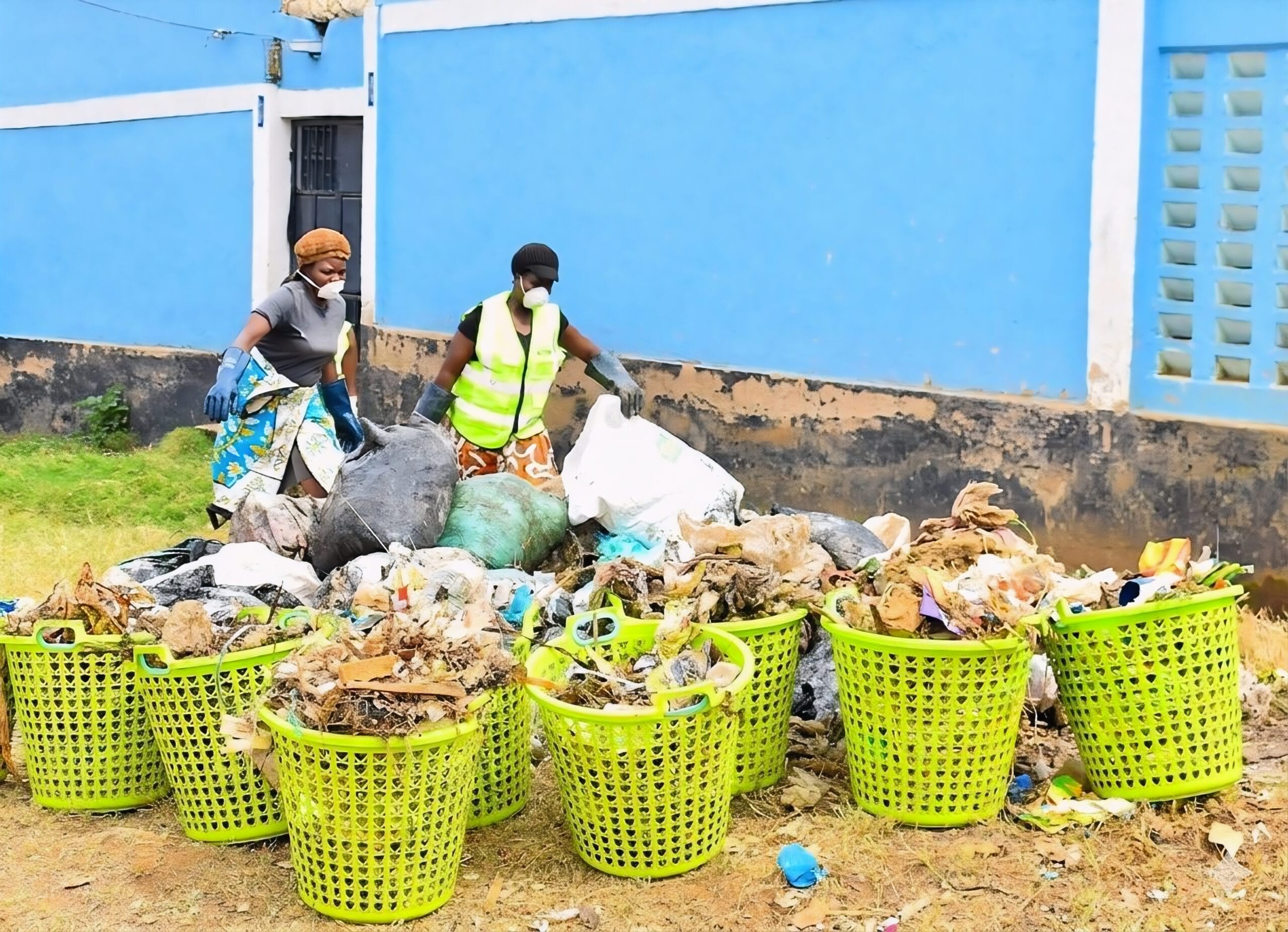
The initiative has contributed to key outcomes, including:
- Expanded waste collection services to an additional 3,000 households in low-income communities, providing safer alternatives to open waste burning and dumping.
- Increased investment in sustainable waste management through a KSh 30 million (£175,000) increase in Kisumu City’s waste management budget for the 2026/27 financial year.
- Greater adoption of waste segregation and recycling by households and schools, reducing harmful smoke while creating new income opportunities.
- Improved livelihoods for waste picker groups through increased demand for waste collection services and higher recovery of recyclable materials.
- Inclusion of open waste burning in policy and budget discussions, supported by evidence gathered through the project.
The progress has been driven by a city-led approach that combines better planning, community engagement and stronger waste management services. Data collected using the UN-Habitat Waste Wise Cities tool helped Kisumu City understand the scale of open waste burning and informed the development of the action plan, which was approved in September 2025. Working with Practical Action and its partners, the city rolled out behaviour change campaigns and waste management training in neighbourhoods most affected by open waste burning. The programme engaged households, schools, landlords, caretakers, community health promoters and waste picker groups to promote safer waste management practices and reduce reliance on open waste burning.
Kay Akello, a resident and landlord in Ondiek Estate, says learning how to separate household waste has transformed her neighbourhood.
The changes are also being seen in schools, where children and teachers are adopting better waste management practices.
Dorcas Odonya, Deputy Head Teacher at Central School, said:
“Children and teachers are managing waste differently. We used to burn waste heaps here, but now we sort plastic bottles and cardboard, sell them, and use the money to plant flowers and trees. Our school compound is greener and healthier for the children”.
Waste picker groups are also reporting higher incomes by recovering and selling recyclable materials while attracting more households to their collection services.
The progress made so far has earned international recognition. In March 2026, the UN named Kisumu one of the inaugural 20 Cities Towards Zero Waste in recognition of its efforts to reduce waste, increase reuse and strengthen local waste systems. The city will now implement the action plan in phases, starting with low-cost actions before moving to larger investments.
Benard Otieno Ojwang’, Kisumu City Director of Environment, said:
“Open burning has not ended in Kisumu. But we are on the right path, guided by an evidence-based action plan, political will and strong partnerships. We look forward to implementing the plan with support from partners.”
Kisumu’s experience is already inspiring other Kenyan cities to explore similar approaches to tackling open waste burning. The work also supports an Africa-wide goal of reducing open waste burning to 60% by 2030 and eliminating it by 2040.
The Transformative Action to End Open Burning of Waste project was funded by the Climate and Clean Air Coalition and implemented by Practical Action, Engineering X, UN-Habitat, the Institute for Global Environmental Strategies and the International Solid Waste Association (ISWA). Although the project concluded in March 2026, Practical Action continues to work with Kisumu City, with funding from Riviera Travel, to expand sustainable waste management initiatives, particularly for organic waste.