Author: Tamanna Rahman, Thematic Lead for Climate and Resilience, Practical Action Bangladesh.
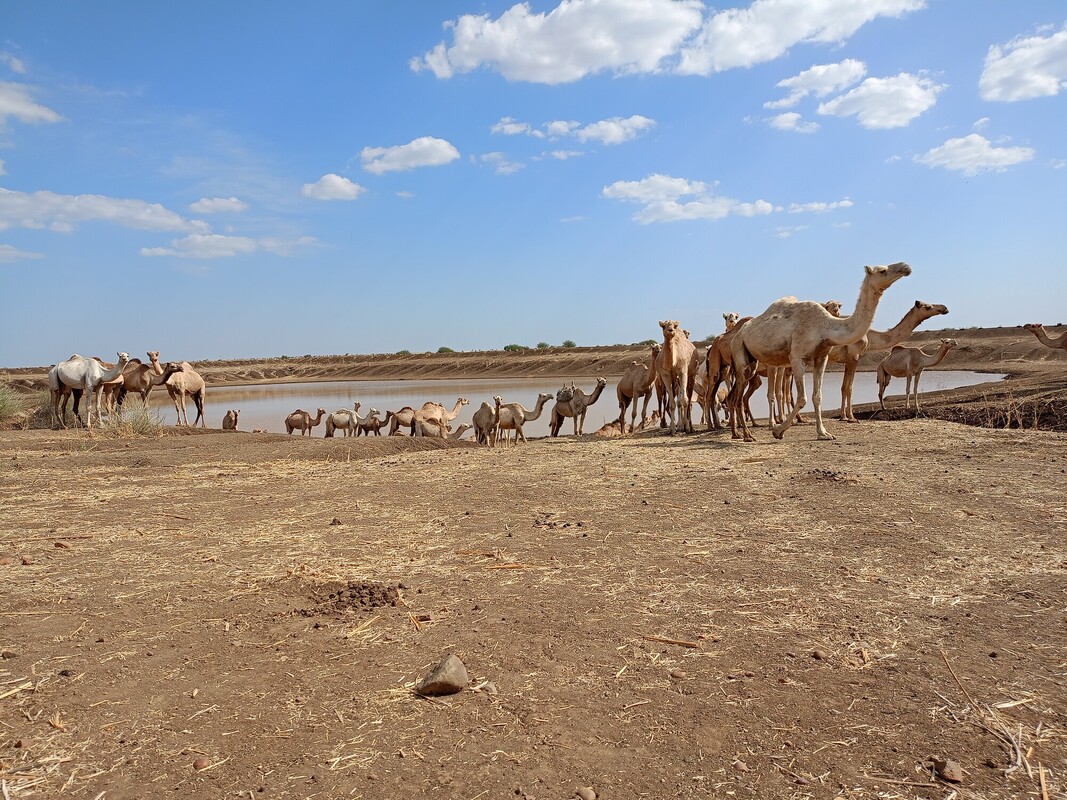
As a Bangladeshi, for much of my career, climate disasters have been associated with dramatic images: flooded villages, homes swept away by storms, or communities rebuilding after catastrophe. These events demand attention because they are visible and immediate. But one of the most serious climate threats I see today often arrives without the same headlines. It does not destroy homes overnight or leave behind dramatic scenes for television cameras. Instead, it builds quietly, day after day, year after year.
That threat is extreme heat.
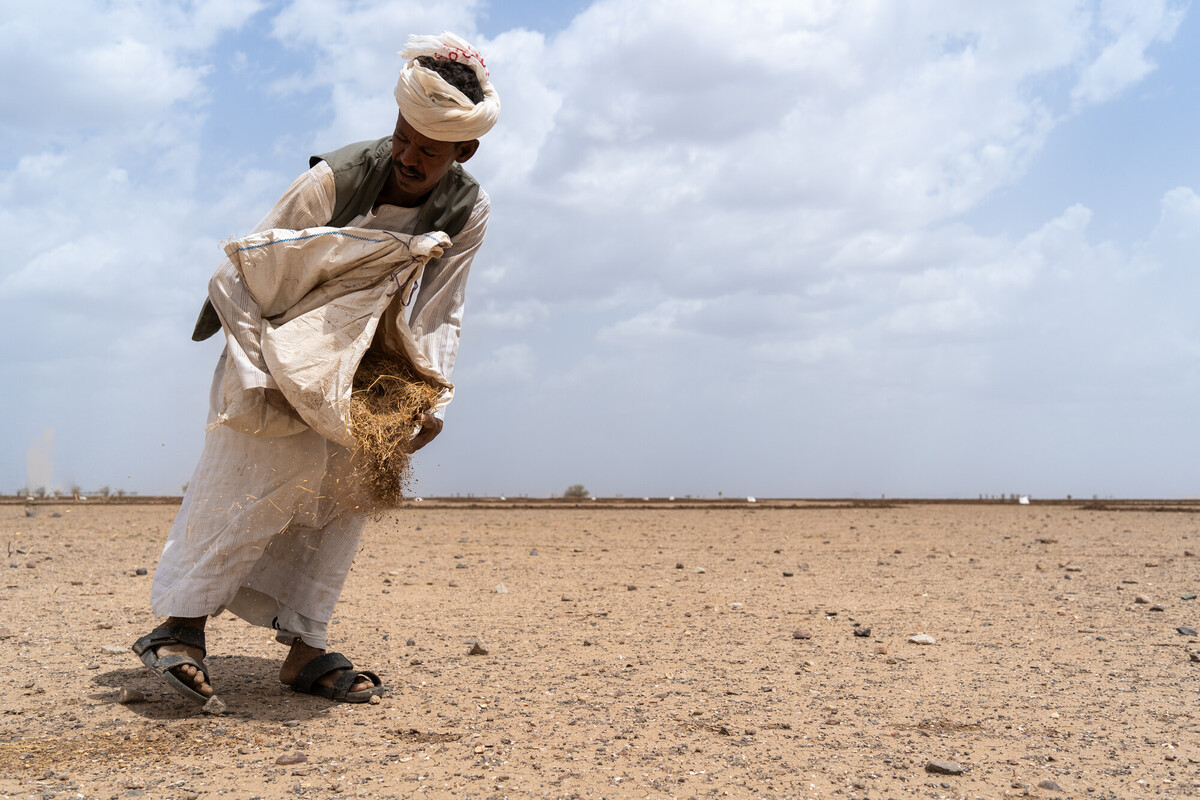
In January 2026, a study by the University of Oxford found that nearly half of the world’s population – 3.79 billion people, could be living with extreme heat by 2050 if global temperatures rise by 2°C above pre-industrial levels. Climate scientists warn this scenario is becoming increasingly likely.
Extreme heat is not simply about higher temperatures. It refers to prolonged periods of unusually hot weather that place stress on our bodies, livelihoods, infrastructure and natural systems. The evidence is already all around us. Even in Europe, temperatures above 45°C and devastating wildfires are appearing in places where they were once considered rare. Across the world, heat records continue to be broken.
Yet for many of the communities I work with in Bangladesh and across the Global South, extreme heat is not a future threat. It is already changing how people live, work and survive. By midday, the heat becomes unbearable, but for many people stopping work is simply not an option. More days are becoming dangerous to work in, particularly for people employed in agriculture and other outdoor occupations.
Recently, I spoke with a group of women farmers who described living with extreme heat as uncomfortable, inescapable and exhausting. They told me their homes had become unbearable during the hottest periods of the year and that several had felt close to collapsing multiple times.
Women are often among the most affected because they frequently balance agricultural work, household responsibilities and caring duties. But the reality is that no one is immune. Entire communities are finding it harder to cope as temperatures continue to rise. For many families, adaptation is no longer about preparing for a distant future. It is about getting through each day without putting their health, livelihoods or safety at risk.
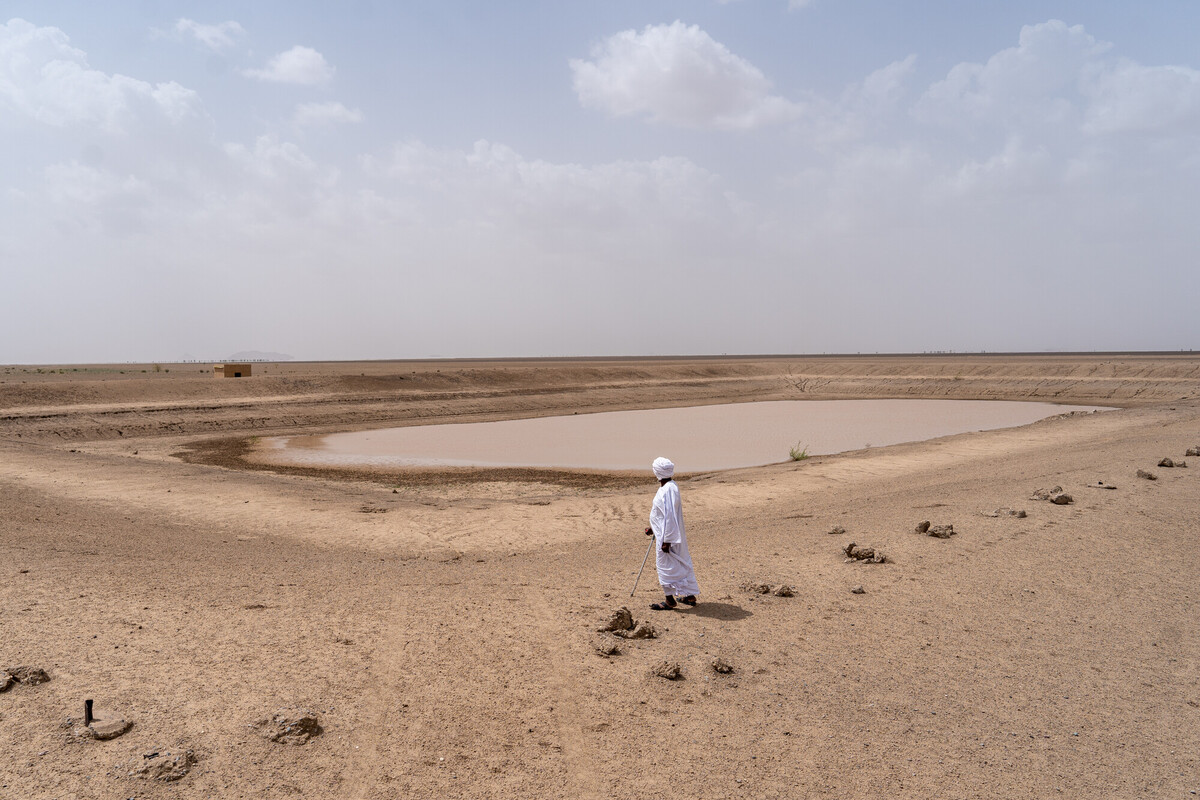
What concerns me most is that heat often remains underestimated because its impacts are gradual. Crops fail over time. Productivity falls. Health conditions worsen. Water sources become less reliable. Livelihoods are slowly eroded. Unlike floods or storms, the damage is often harder to see, even though it can be just as devastating.
Through Practical Action’s work with the Zurich Climate Resilience Alliance, I regularly hear from colleagues working across Africa, Asia and Latin America who describe how communities are already facing a combination of heat-related challenges. They are not only struggling with rising temperatures, but also prolonged droughts, wildfires and increasingly unpredictable weather patterns. Moreover, they do so without the financial safety nets, infrastructure or public services that many wealthier countries rely upon. That is why I believe adaptation must become a much greater global priority.
The encouraging news is that communities are not waiting passively for help. Across the countries where Practical Action works, people are already adapting to rising temperatures using their own knowledge, experience and ingenuity.
Through our work with the Zurich Climate Resilience Alliance, we are helping communities strengthen their resilience to a range of climate risks, including extreme heat, flooding and wildfires. But the most important lesson is not which intervention works best. It is that local people already understand the challenges they face and often know what solutions are needed.
What they frequently lack is access to finance, information and support at the scale required to put those solutions into practice.
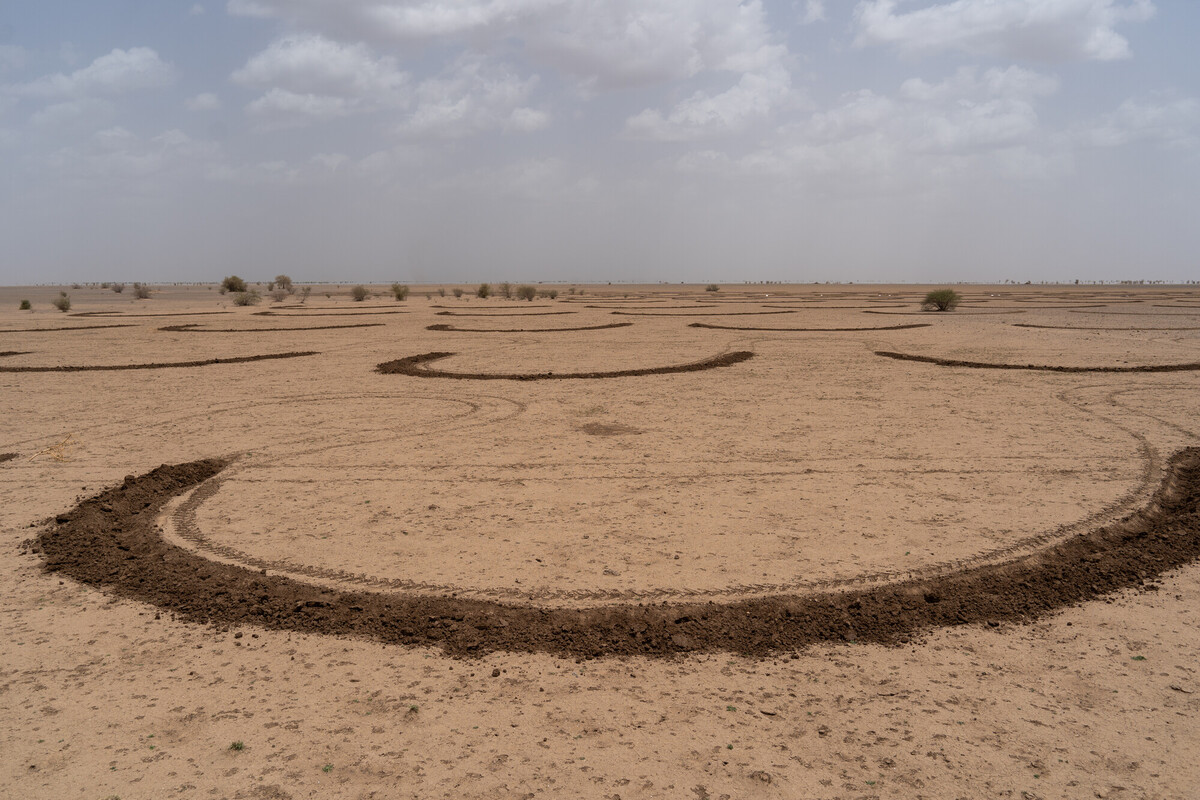
Whether that means improving early warning systems, protecting water supplies, adapting farming practices or making homes and public spaces cooler, communities need greater investment and a stronger voice in decisions that affect their futures.
The challenge is ensuring that resources reach the people already doing the work of adapting to a changing climate.
These initiatives are important, but they are only part of what is needed.
Communities are already demonstrating remarkable resilience and ingenuity, which gives me a sense of admiration whenever I visit. The challenge is not a lack of local solutions. The challenge is a lack of investment, urgency and scale. The people who are least to blame are suffering most and struggling now.
We need governments, donors, development organisations and businesses to recognise extreme heat as the major climate risk that it is and respond fast.
Heat becomes a disaster when it overwhelms systems and pushes people beyond their ability to cope. In many places, that point is no longer a future concern. It is happening now.
Author: Tamanna Rahman, Thematic Lead for Climate and Resilience, Practical Action Bangladesh.