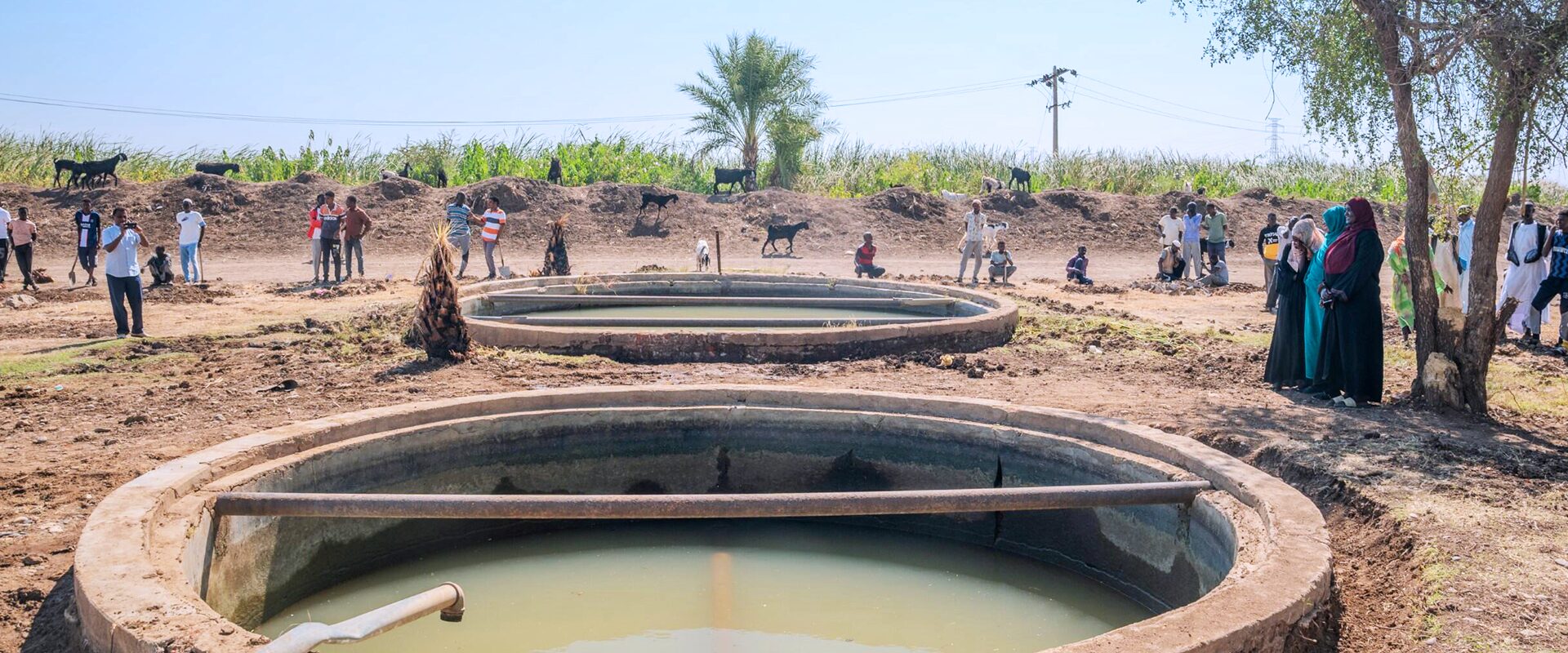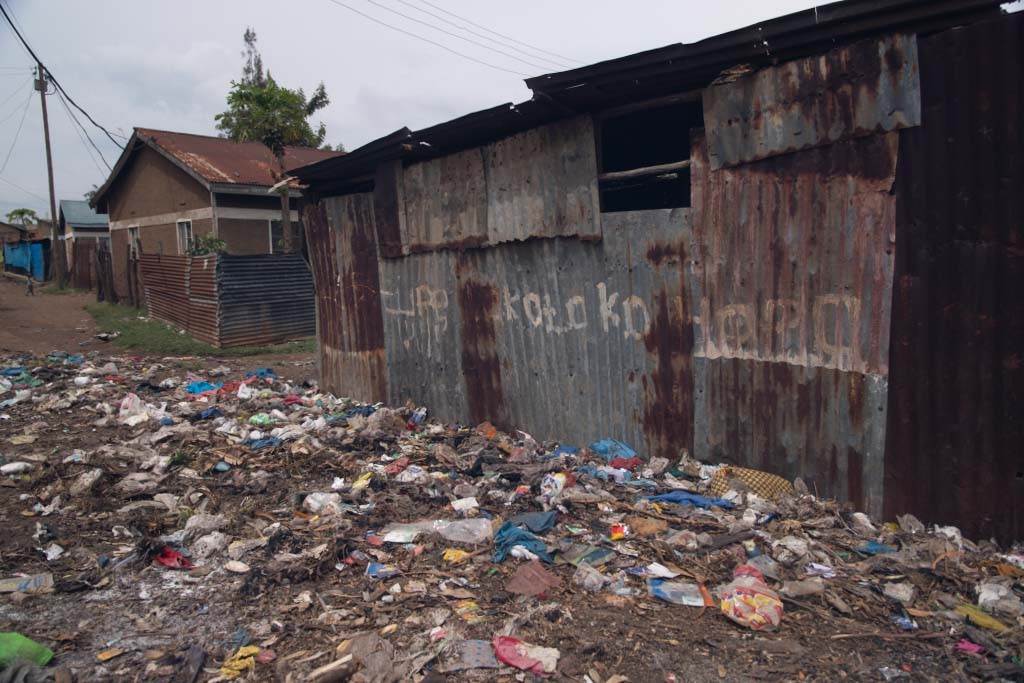
Read the full story
Summer 2025 saw hosepipe bans and low reservoir levels thanks to scorching weather, a sadly familiar phenomenon that places a strain on the water supplies that serve our homes and businesses.
The Met Office warns that the UK is likely to experience even drier summers in the future thanks to the climate crisis, so it is more important than ever for us to save water.
Here are some small changes that can have a huge impact on water usage – and reduce water bills as a bonus.
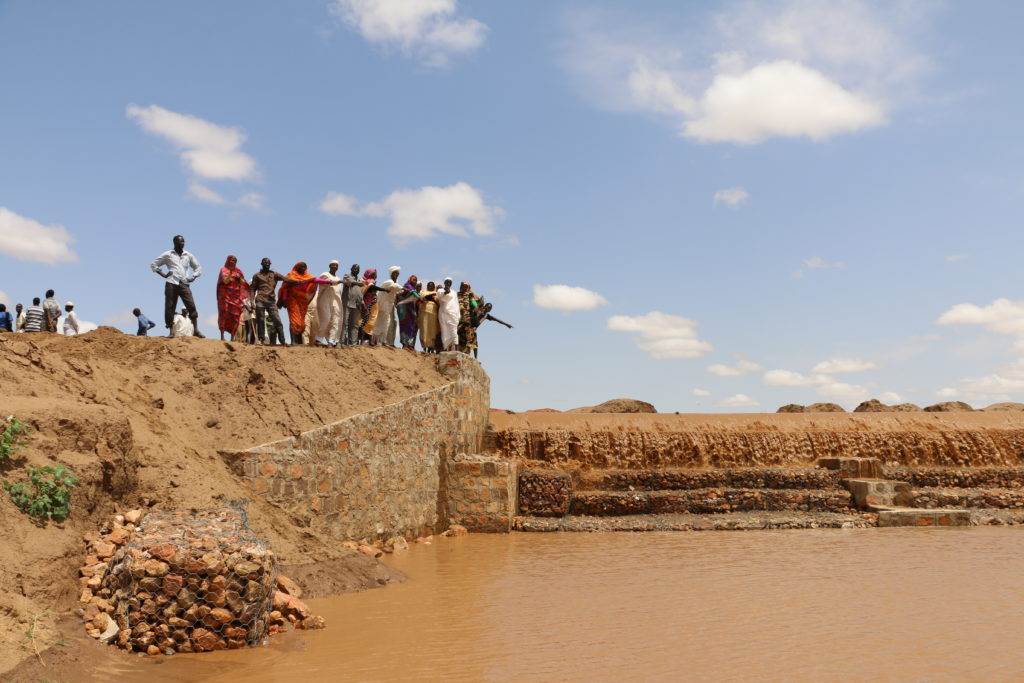
Drought occurs naturally when temperatures rise and rainfall drops, but climate change and population growth have placed a massive strain on freshwater resources. The UK also has inadequate water infrastructure and around a fifth of water running through pipes is lost to leakage.
The climate crisis is disrupting rainfall patterns across the globe and floods and droughts are increasing in frequency. Around 1.1 billion people lack access to water, which is around three times the US population, and 2.7 billion find water scarce for at least one month of the year.
Without adequate water supplies, people can’t get enough to drink, wash, or feed crops, and are more at risk from diseases like cholera, typhoid fever, and other water-borne illnesses.
These facts make grim reading, but the problem can be overcome.
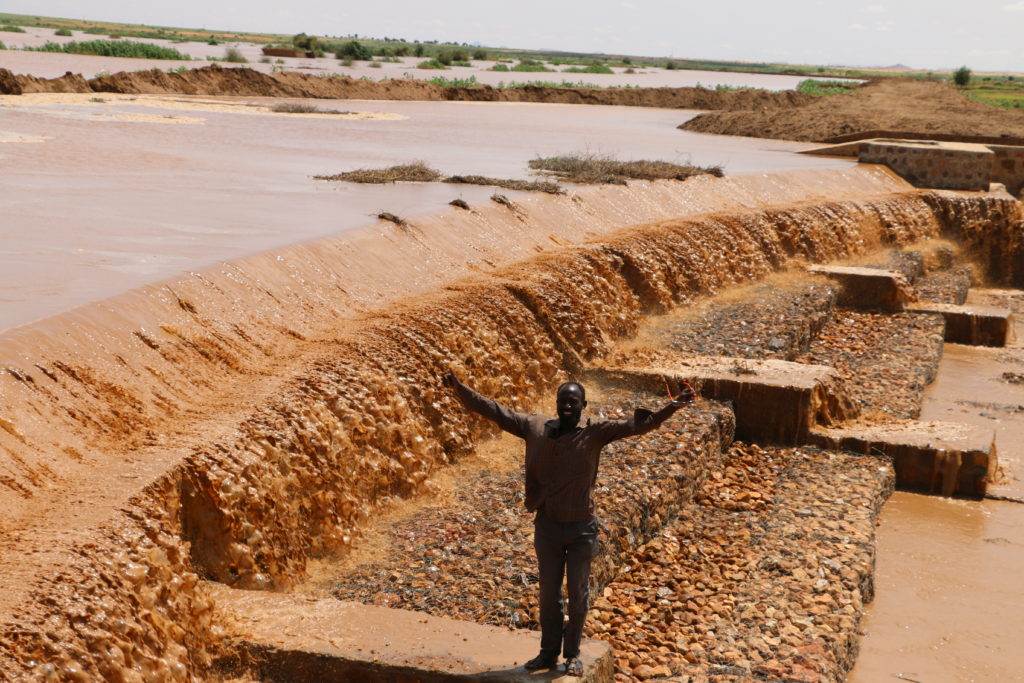
Practical Action provides sustainable, people-centred approaches to the challenges of waste management and water resilience in vulnerable communities.
In Darfur, Sudan, we use solar-powered irrigation to fight desertification, where fertile land becomes desert, as a result of drought and deforestation. Meanwhile our work in Zimbabwe uses Pfumvudza – an efficient drought-resistant maize planting technique using small potholes that trap water during heavy rainstorms.
In Eastern Sudan we’re working to improve access to water resources and tackle waterborne illnesses like cholera. Practical Action also proudly supports World Water Week.
This work is only possible with the support of people like you. Help us do more by making a donation today.
Donate online