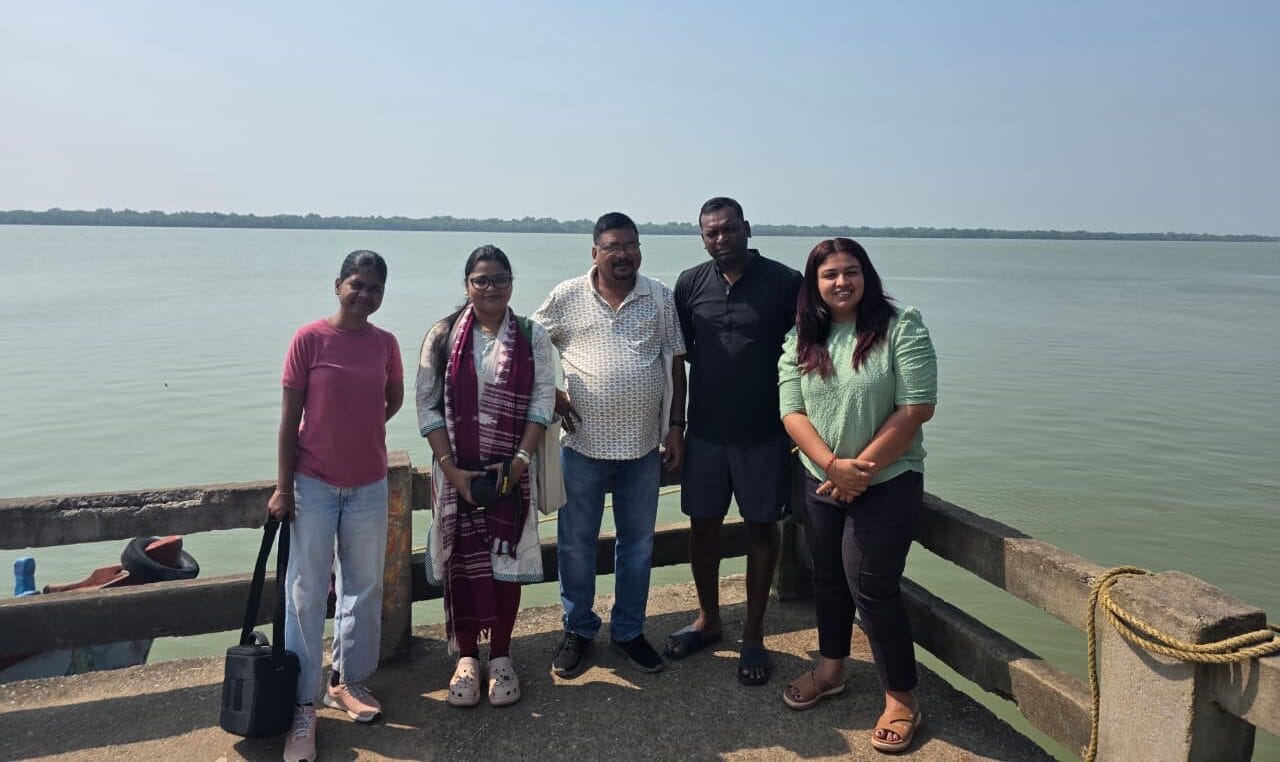
A new project in eastern India is supporting the recovery of degraded mangrove ecosystems while helping women on the frontline of climate change to build more secure, climate-resilient livelihoods.
The two year programme focuses on a stretch of Odisha’s coastline – one of India’s most climate-sensitive regions and home to thousands of fishing families, many of them headed by women. By restoring mangroves and placing women at the centre of stewardship and enterprise, the project aims to strengthen both ecosystems and local economies in the face of growing climate risks.
Climate risks on the frontline
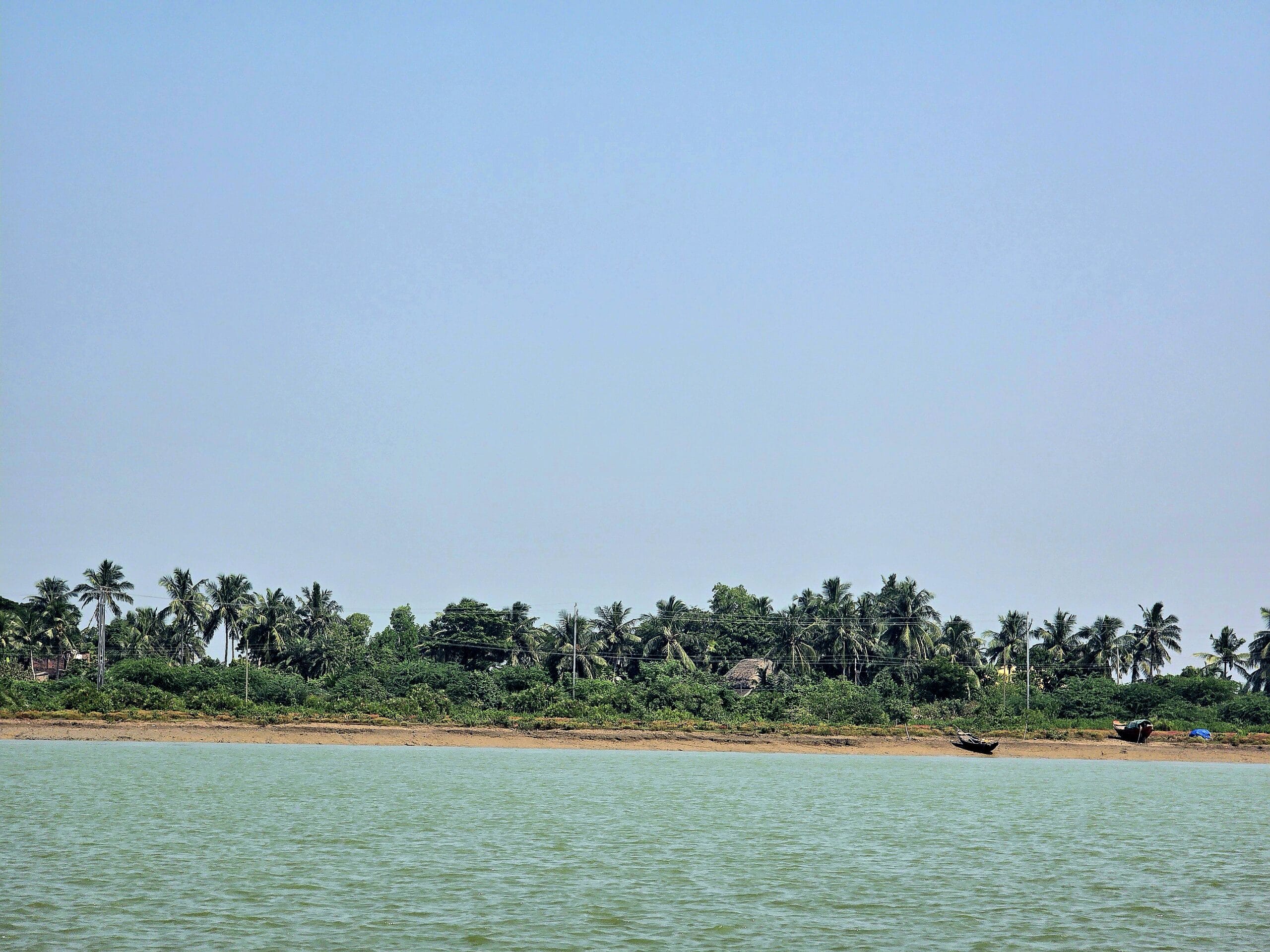
Odisha’s coast is increasingly exposed to severe climate shocks. Recurrent cyclones, rising sea levels, salinity intrusion and escalating heat stress are steadily eroding both natural ecosystems and traditional livelihoods.
Mangrove belts – once a vital natural defence against storms and coastal flooding – have thinned sharply. Nearly 40% of protective mangrove cover along the coast is now degraded. This ecological decline has real human consequences. Coastal households face growing livelihood insecurity and longer recovery times after extreme weather events, while women often bear the heaviest burden through lost income, food insecurity and increased unpaid care work, combined with limited access to resilient economic opportunities.
Healthier ecosystems, more secure livelihoods
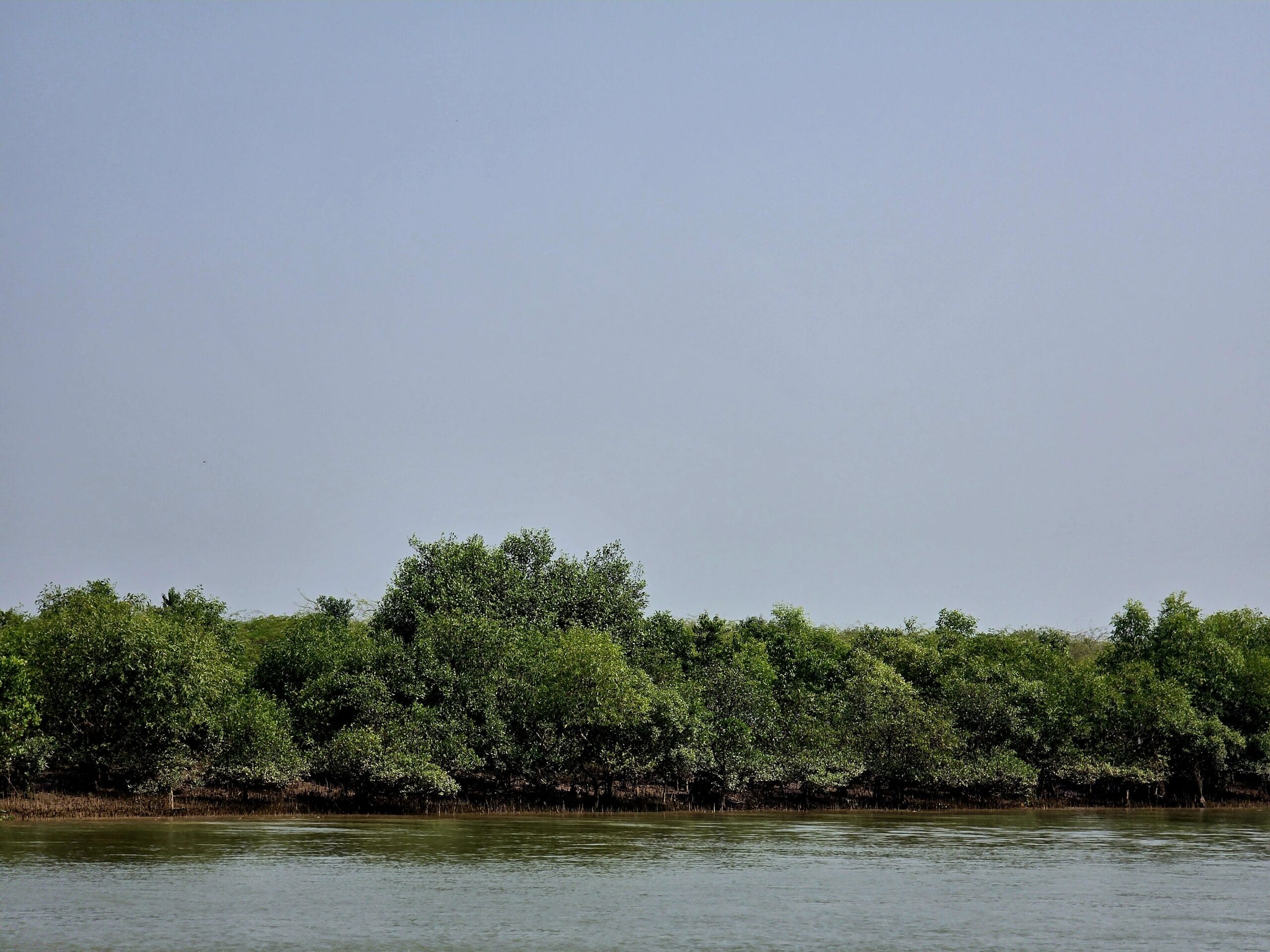
Working with local organisations and communities, the project will restore and protect a continuous ecological corridor of mangroves. An initial 50 hectares have already been agreed, with proposals in place to expand restoration to a further 50 hectares in the future.
Local fishing groups, honey collectors and women’s collectives will be closely involved in selecting restoration sites, running mangrove nurseries, planting saplings and managing long-term care. Alongside ecological restoration, training will support women to develop new, locally rooted enterprises linked to mangrove ecosystems and introduce basic knowledge of carbon finance, helping communities engage with future nature-based funding opportunities.
Project monitoring will combine drone mapping, simple digital surveys and regular field checks to track both environmental recovery and social impact. Evidence generated through the project will be shared with state and national institutions working on coastal resilience, helping inform wider replication across Odisha.
Venkat Raman, Programme Delivery and Operations Lead, explains:
“This is a programme of work which represents Practical Action’s approach in India. It is more than a restoration project. It is a pilot showing how women’s leadership, ecological science and systems thinking can come together in practical ways – where restoration, livelihoods and resilience reinforce one another.
“Our approach combines nature-based solutions with women-led enterprise development. This ensures that restoring mangrove coasts not only benefits the environment but is also economically meaningful and socially inclusive.
“Our role is to work alongside local organisations to support programme design, delivery quality and learning. We collaborate closely with field teams to ensure the work remains technically robust, gender-responsive and driven by evidence that can support scaling in other locations.”
Partnering with communities
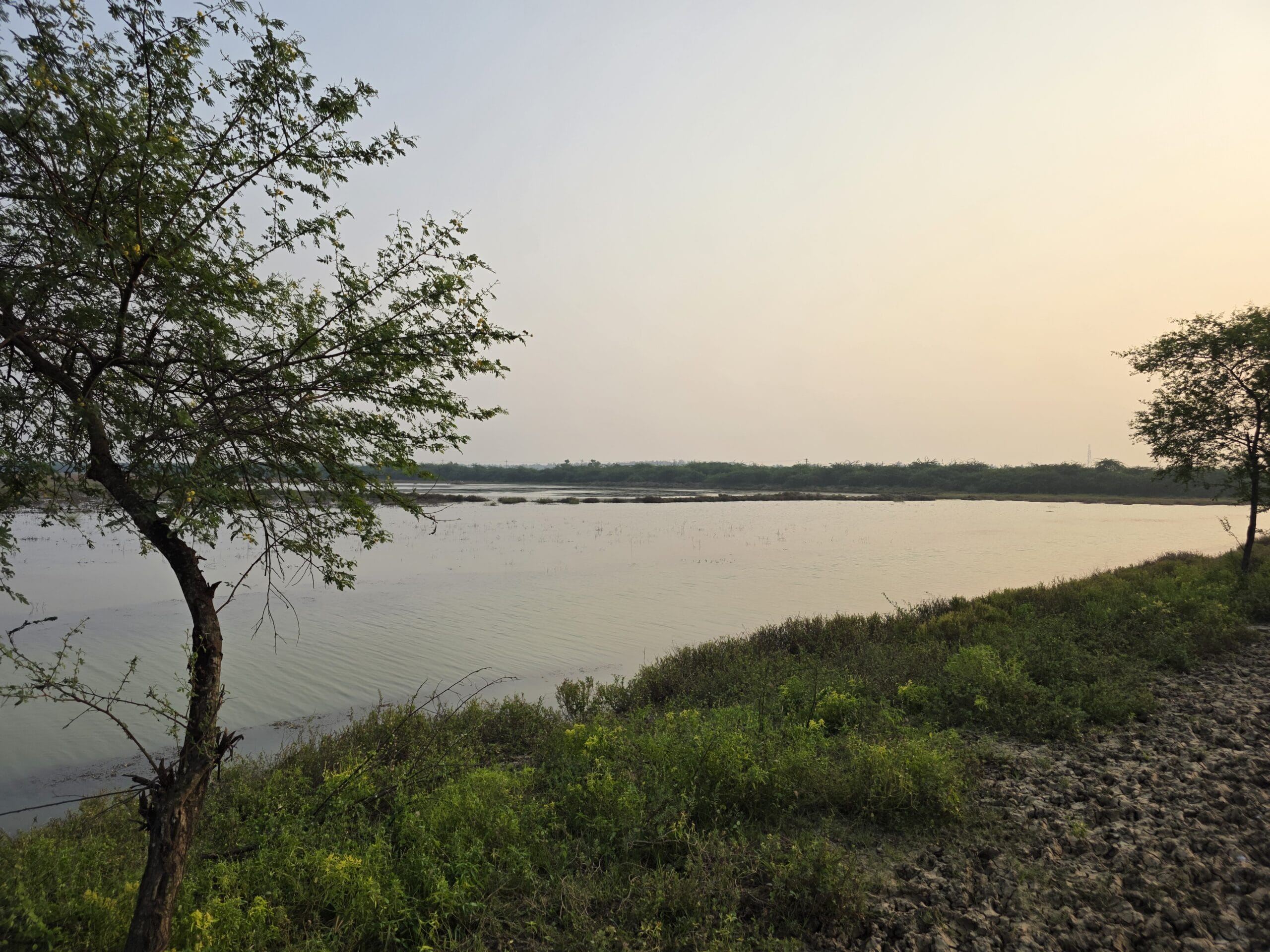
The project is led by the local organisation Orissa State Volunteers and Social Workers Association, with Practical Action acting as the technical and MEL partner.
Coastal Resilience through Women-Led Mangrove Systems will run until 2028, with funding of USD $250,000 from the Asia Gender Equality Fund 3.0.