Coronavirus has highlighted fundamental weaknesses in our food system that are now leading to food insecurity. But even before this, the food system was failing people and the planet. As we build back after the pandemic, we have an opportunity to create change that is anything but normal.
Our previous article looked at the problems with the current systems, as experienced by smallholder farmers in developing countries. In this second article we explore how we’re already working with farmers, together with businesses and enlightened governments, to create a system that looks quite different. A system that builds on local knowledge and social systems, is more resilient to climate change, protects environmental resources, provides decent livelihoods and secures food supplies in all countries. Most fundamentally, our agriculture and food systems must work for the vast number of smallholder farmers. This is our call to action to make this a reality, built on three central pillars:
#1 Making agriculture work – despite the new climate reality
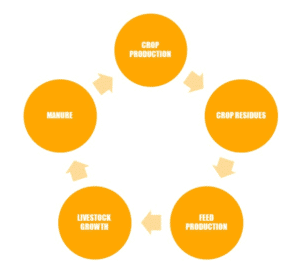
Agriculture needs to protect environmental resources AND deliver reliable harvests in the face of climate change. It has to do both for food security and incomes. One without the other is not enough. We cannot simply focus on increasing productivity, but must take care of the entire ecosystem on which agriculture depends to maintain, and even restore natural resources (soil, water, biodiversity). This form of agriculture is often called regenerative agriculture and some of the ways it is being put into practice across Practical Action’s programmes are described below.