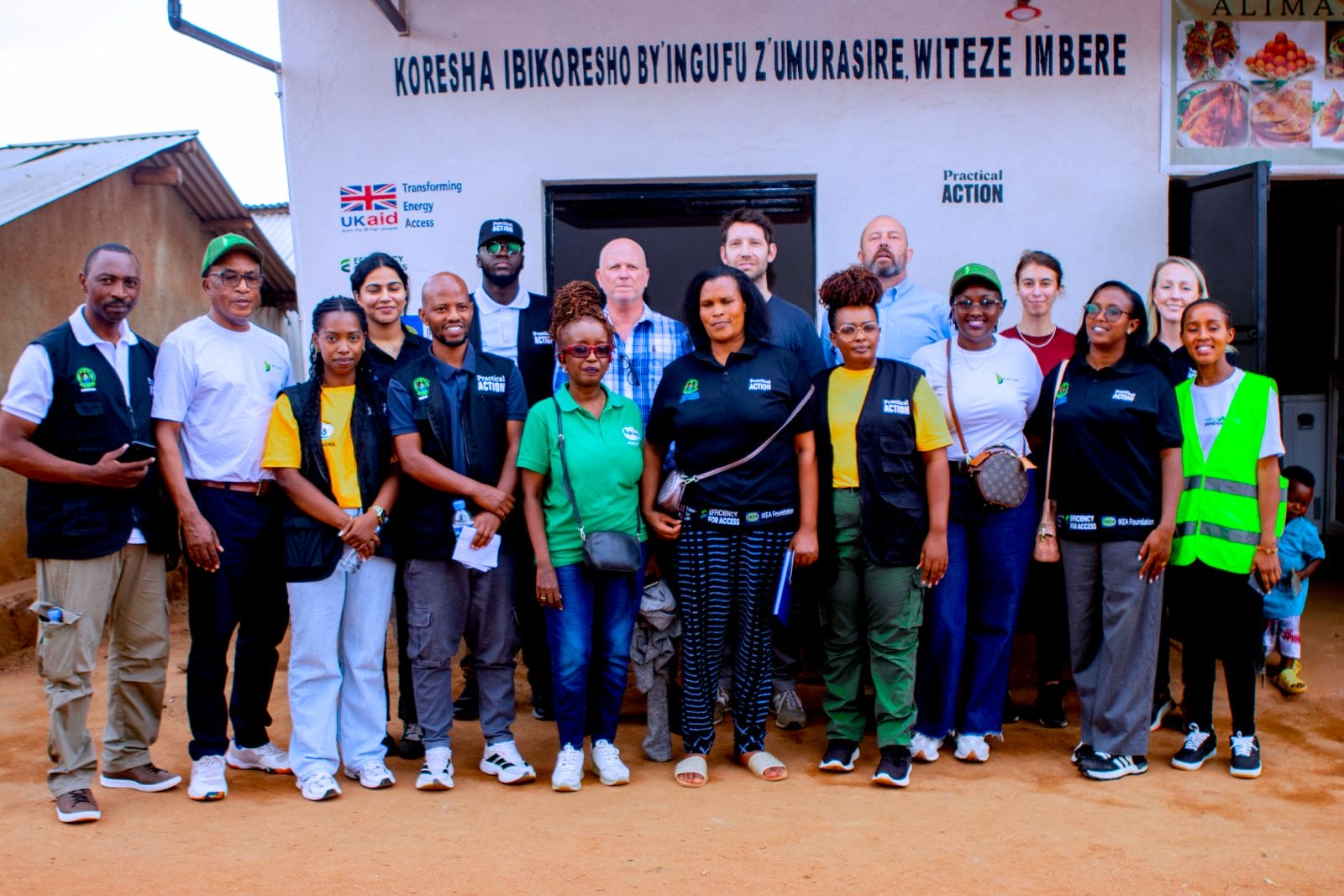
Some aspects of a project only come fully into view when you see them on the ground. Reports can tell you what has been delivered, what has changed, and what results are beginning to emerge. But being there offers something else. It gives you a clearer sense of the context, the realities people are working within, and what impact actually looks like in daily life.
That was the value of a field visit to Rwanda earlier this year by representatives from Energy Saving Trust, co-Secretariat of Efficiency for Access, and the British High Commission Kigali, who saw first-hand how the Humanitarian Productive Use of Renewable Energy (H-PURE) project is impacting refugee and host community entrepreneurs. Drawing on reflections from Liya Bensy Thomas, Senior Research Project Manager, and Ellie Grebenik, Senior Programme Manager at Energy Saving Trust the visit offered more than a project update. It gave a closer view of the setting, the businesses taking shape within it, and the role renewable energy plays in making them possible.
What stood out first was the sense of life within the camps themselves. Rather than feeling static or defined only by hardship, they came across as places full of movement, entrepreneurship and community.
Conversations with entrepreneurs revealed not only the daily effort involved in keeping a business going, but also a sense of ambition about what more it could become. One exchange that stayed with the visiting team was with an entrepreneur who runs both a bar and a television screening hall, and who was already thinking beyond day-to-day operations to future growth, including renting the space for baptisms, weddings and other gatherings.
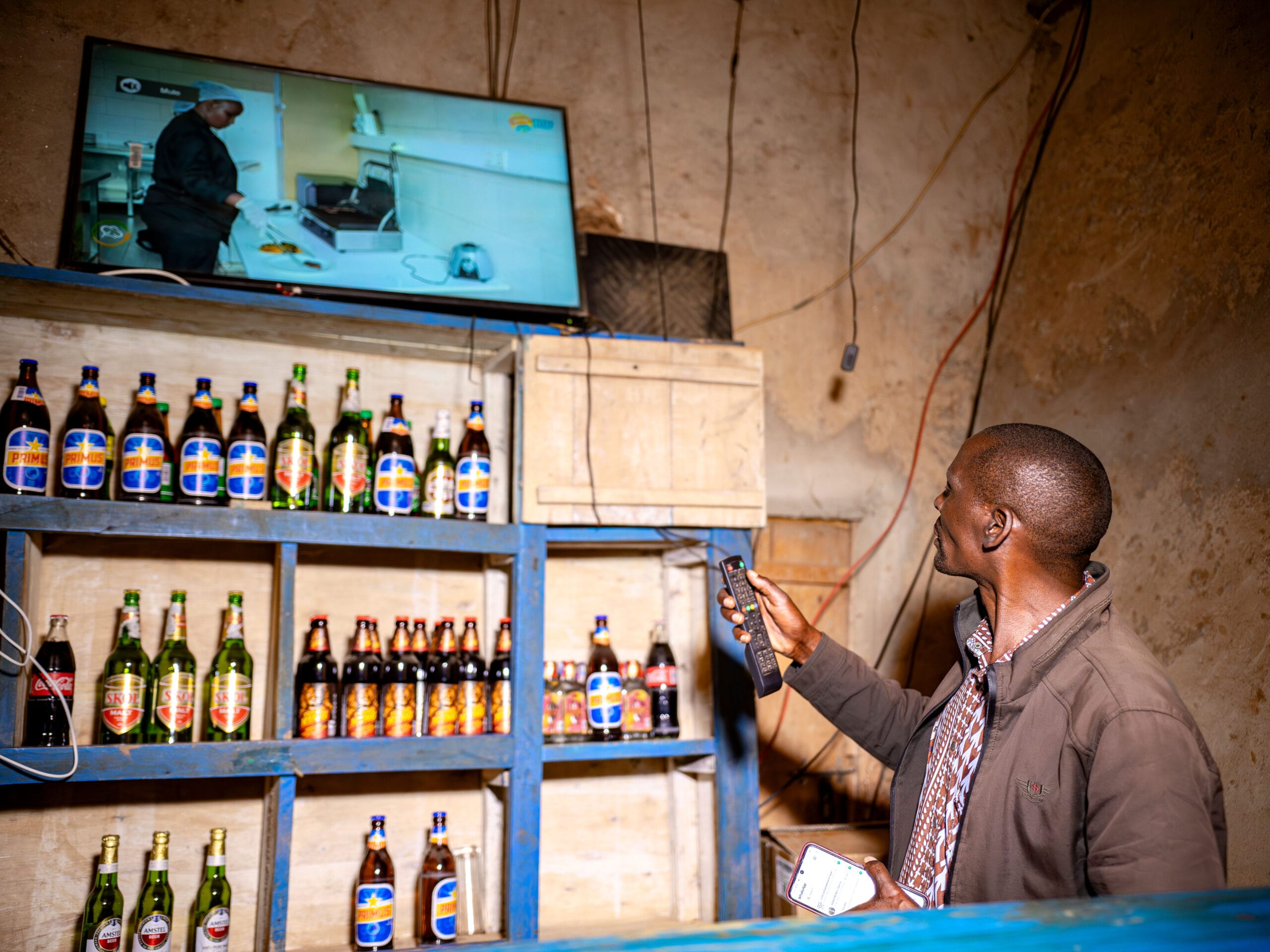
There were also quieter moments that revealed just as much. One person shared that they had never tried a cold drink before. It was a simple comment, but one that captured how deeply access, infrastructure and opportunity shape everyday experience, including things many people elsewhere might barely think about.
That context matters because, in these settings, access to energy is not a given. For many of the businesses visited, there had been no electricity at all before the project. Some relied on generators, with all the cost that comes with them, while others simply made do without power altogether. That shaped what kinds of businesses they could run, how they operated, and how much room they had to grow. Entrepreneurs repeatedly shared that while solar-powered technologies could make a significant difference, the upfront cost remained out of reach for many. Several said that without the subsidy, they would not have been able to afford the appliances and might not have considered starting a business at all.
This is what makes H-PURE so important. The project is supporting refugee and host community entrepreneurs to access subsidised solar-powered productive use appliances such as refrigerators, milling machines and hair clippers. In this way, H-PURE is helping to make businesses more viable in places, which previously experienced no access to electricity, and prohibitive costs for equipment. That support goes beyond the appliances themselves.
Through H-PURE, distributors working in and around the camps help make the technologies available, provide training on how to use them, and support maintenance and repair. The visit also pointed to a wider significance. Energy access is not only about commerce; it also affects safety, dignity and the possibility of building a more independent life. Visitors heard, for example, how street lighting installed under the RE4R project changed how safe women felt moving around the camps at night. Under H-PURE, that same connection between energy and quality of life is now being seen through livelihoods.
On the ground, the project’s impact was already visible. Liya and Ellie noted that the appliances appeared easy to use and well suited to the context, with users showing confidence after only a short time. Even where appliances were new to the camp setting, such as solar mills, the level of interest was striking. Entrepreneurs spoke about improved incomes and stronger customer demand. Shop owners shared that solar refrigerators were bringing in more customers because they could now offer cold drinks and milk. Others said their monthly income had increased, even if they were still repaying the cost of the appliance and had not yet reached full profit.
Some stories captured that shift especially clearly. One that stood out was of a miller who had previously been out of work and now runs her own business using a solar mill. Liya said she was “blown away by the impact these appliances were having already in such a small time”, citing more people employed, higher earnings, and better-quality products. Ellie also praised the efforts of the businesses and distributors and technicians around them helping with maintenance and repair.
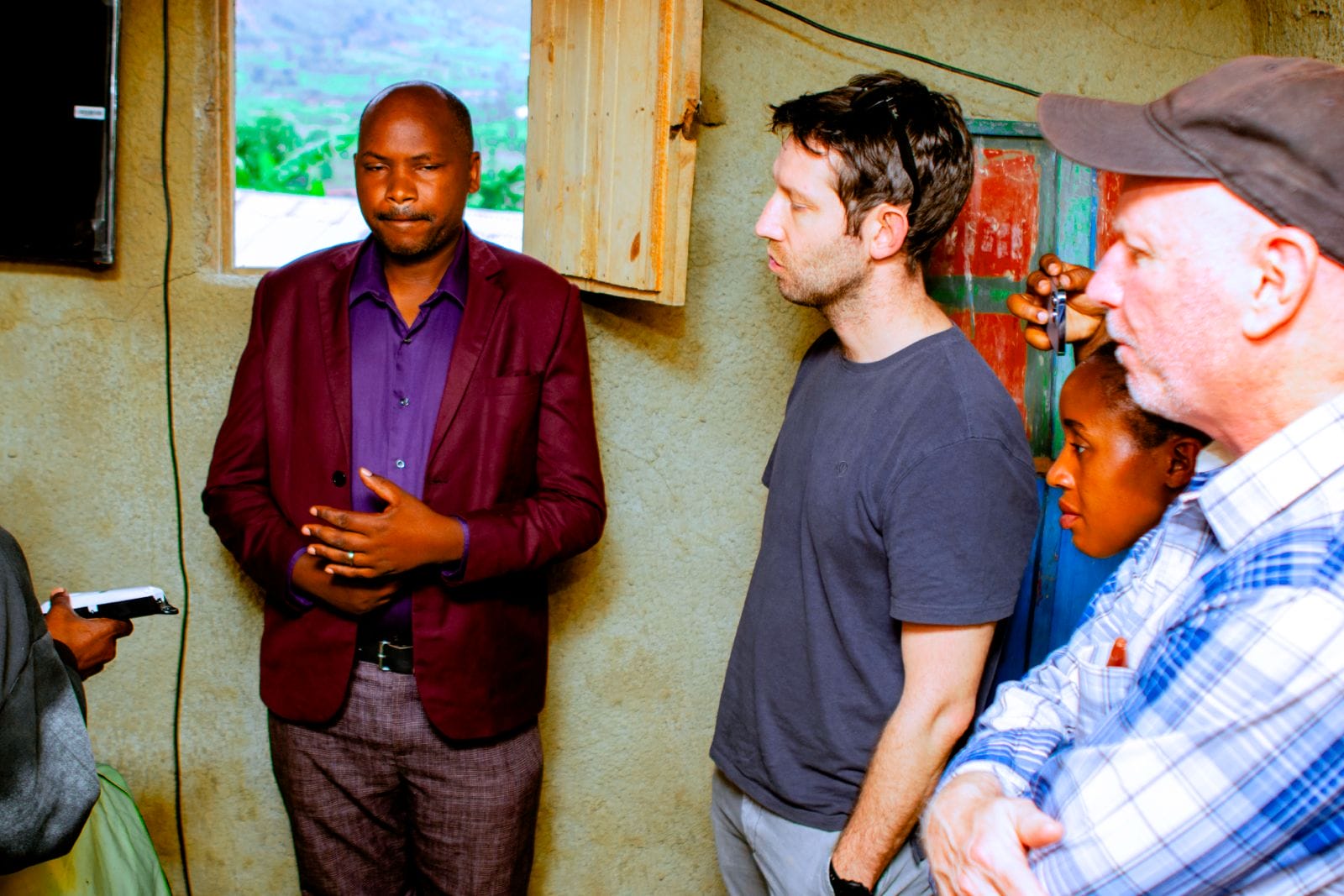
Reflecting on the visit, Gwilym Jones, East Africa Climate and Nature Adviser, British High Commission Kigali, said:
“We at British High Commission Kigali are massively proud of how H-PURE is transforming the livelihoods of refugees across three camps in Rwanda. On a recent field visit to Nyabiheke Refugee Camp, we heard powerful testimony from female entrepreneurs about how access to solar appliances including fridges, milling machines and hair clippers are expanding their businesses, creating jobs, and increasing integration with host communities. We’re excited to see this partnership continue over the next year, supporting new businesses and trialling new technologies.”
What this field visit ultimately revealed is that H-PURE is about widening what is possible. In places where opportunity is often constrained by infrastructure, cost and circumstance, access to the right technology can help people build livelihoods, strengthen their independence, and imagine a future on different terms.
To hear more reflections from the visit, you can also watch Billy Stewart, Development Director at the British High Commission Kigali, sharing his thoughts in the UK in Rwanda’s post on X.