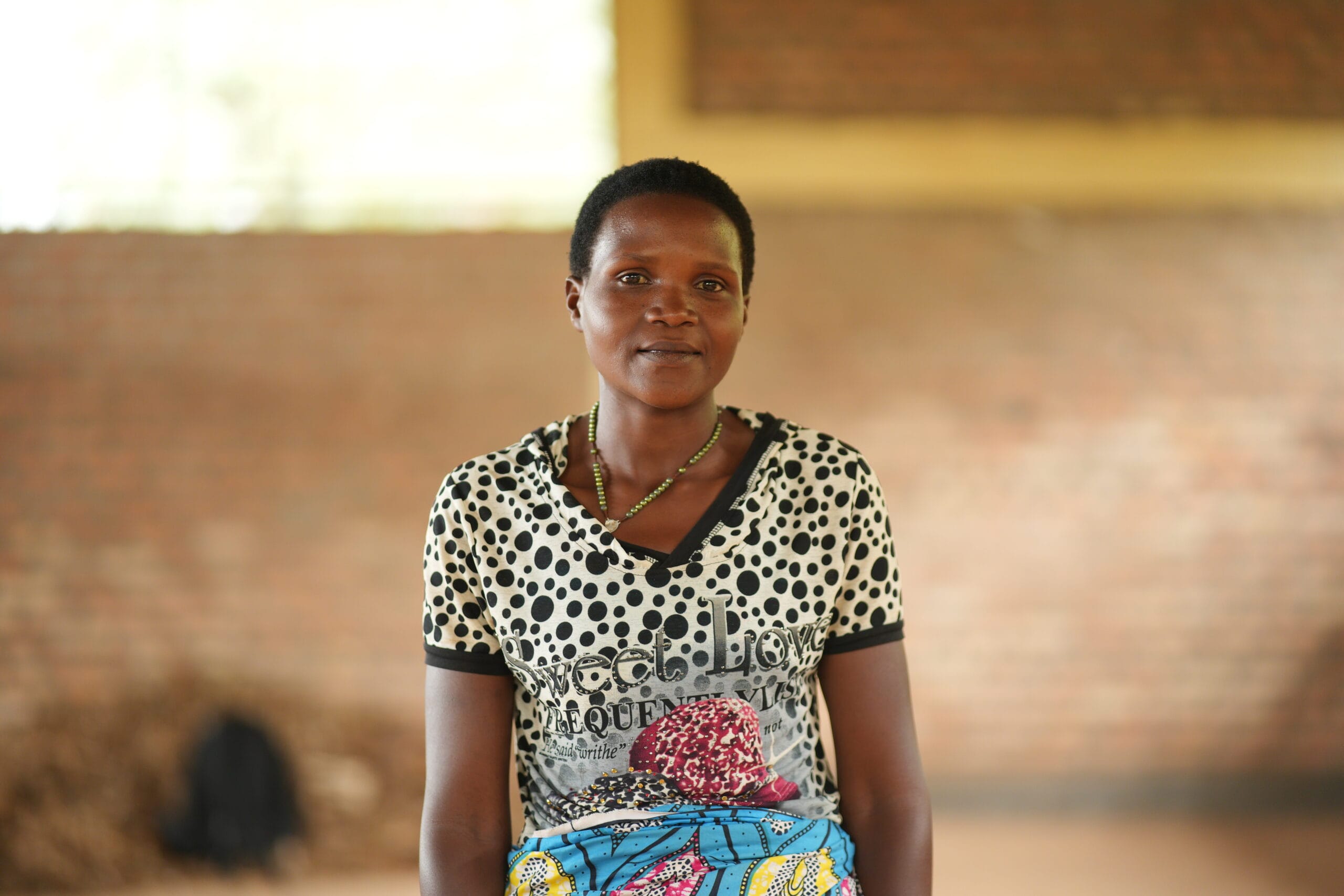
When Maria Beatha talks about poultry farming, she does not begin with the chickens. She begins with the soil. In Gisagara district, where she grows maize and beans, one of her biggest challenges has long been the lack of fertiliser. Poultry farming turned into more than a new way to earn a living: it offered a practical way to improve her harvests, strengthen her farm, and make better use of the land she depends on.
Maria Beatha Musabaneza lives in Gisagara district, in Rwanda. She is 31, a farmer and poultry keeper, and a mother of three boys. Farming is not new to her. It is what she grew up doing. As she puts it, she has been farming for as long as she has been alive. Before joining the programme, she mainly grew maize and beans, but like many smallholder farmers,her land was not producing as much as it could because she did not have enough fertiliser.
That’s the main reason she decided to take a chance with poultry. She immediately saw the connection between raising chickens and improving crop production. “I felt that if I joined this programme, it would benefit me greatly,” she says, “especially since it included poultry farming, and chickens produce manure.” For her, this was not just about adding another activity. It was about finding a practical way to address one of the main challenges on her farm.
The knowledge she gained through the programme has made a real, lasting difference in her life. Maria Beatha says she is no longer unsure about how to manage her chickens becauseshe’s been taught how to take good care of them. What matters to her is that this knowledge stays with her. “Even if I don’t get a donor to give me chickens, I have the knowledge now so I can save up and buy them myself, knowing how to care for them,” she explains.
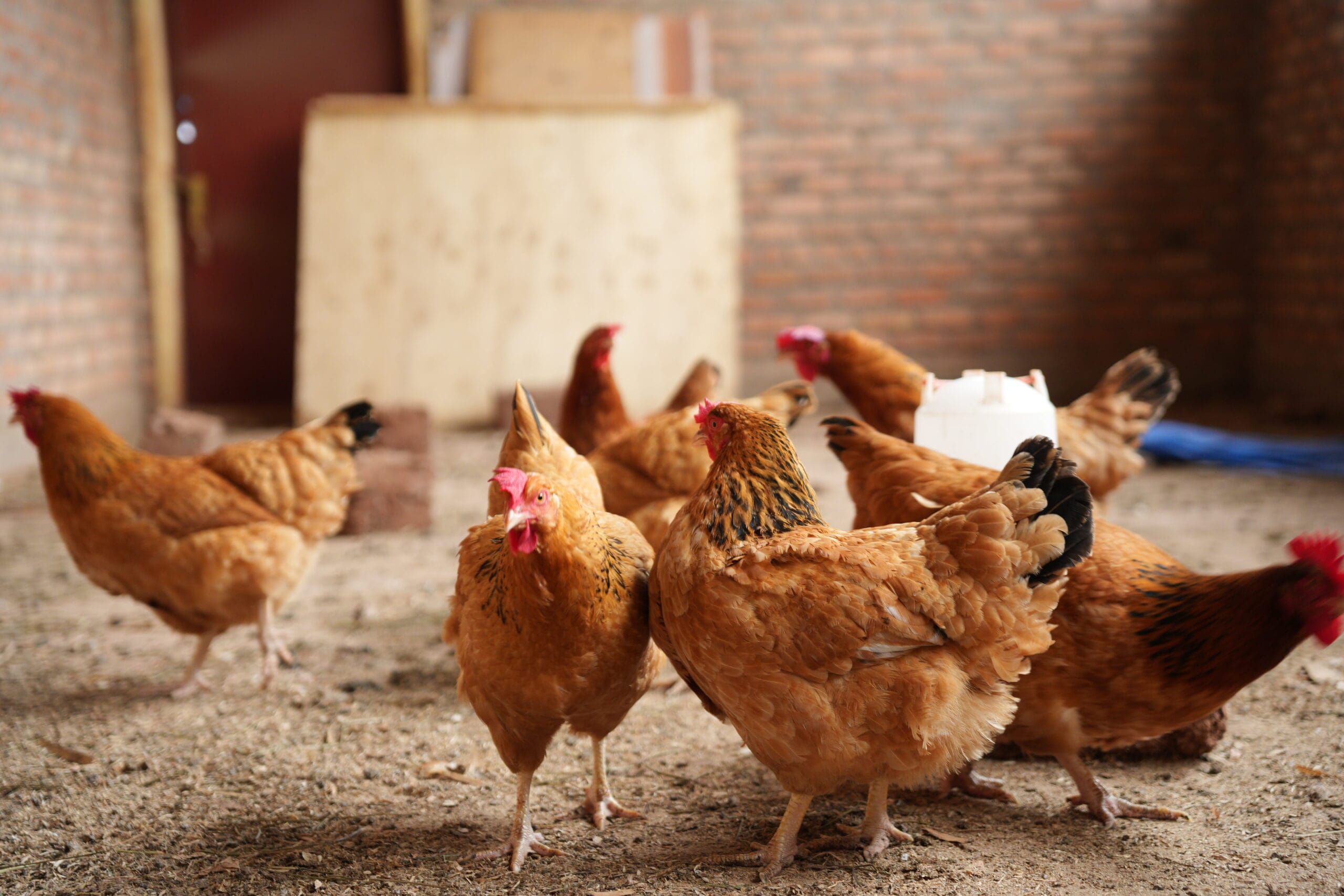
That training has started to show in real ways on her farm. By using manure from the chickens to fertilise her fields, she has seen crop yields go up. She explains that on land where she previously harvested around 50 kilograms of maize, she now gets about 90 kilograms. She applies the manure in the planting holes for both maize and beans, and says the improvement has been clear. “The yield has increased significantly,” she says. “Whether it’s maize or beans, I apply the fertilizer, and it gives me an increased harvest because of that manure.”
Poultry farming is valuable to her not only because it improves the soil, but also because it gives her something to fall back on when things are uncertain with her crops. She can sell eggs and use that income to support other farming needs, including hiring labour to help irrigate fields near the marshland. This is especially important in a context where climate change is making farming more difficult and less predictable.
She speaks plainly about the pressures farmers are under. Climate change, she says, is no longer something abstract. It is something that she sees happening in her fields every day. In the previous season, intense heat damaged both beans and maize. After the rains came and farmers planted as usual, prolonged sun caused crops to wither, flowers to fall, and yields to drop. She estimates the impact of climate change on their farming at around 50 per cent. In one example, a bean harvest that might once have reached 90 kilograms fell to around 70 kilograms.
In that context, poultry farming helps her spread risk and strengthen how she farms. It gives her access to organic manure at a time when chemical fertilisers are becoming less desirable and often costly, while also offering small but important income through egg sales. It gives her practical support that responds to more than one challenge at once.
The programme has also had an effect beyond her farm. After attending training, she returned home and shared what she had learned with her husband, including how to raise chickens, care for them properly, and think about expanding the activity. She says he could see the value in it right away. For her, that recognition means a lot. It shows that the knowledge she has gained is useful, practical, and worth building on.
Another important part of her story is the cooperation between host community members and refugees. She describes this relationship as one shaped by necessity, but also by mutual support. “We cooperate closely because life in the camp is difficult,” she says. “They come to us, we cooperate, and we find a way to survive together.” In her view, this shared effort matters because both communities are trying to build livelihoods under difficult conditions, and both benefit when that cooperation works well.
For Maria Beatha, what matters now is finding practical ways to keep strengthening the farm she depends on. “The best way forward is for us to continue living together but find a way to get sufficient manure. That way we would farm and harvest more.”
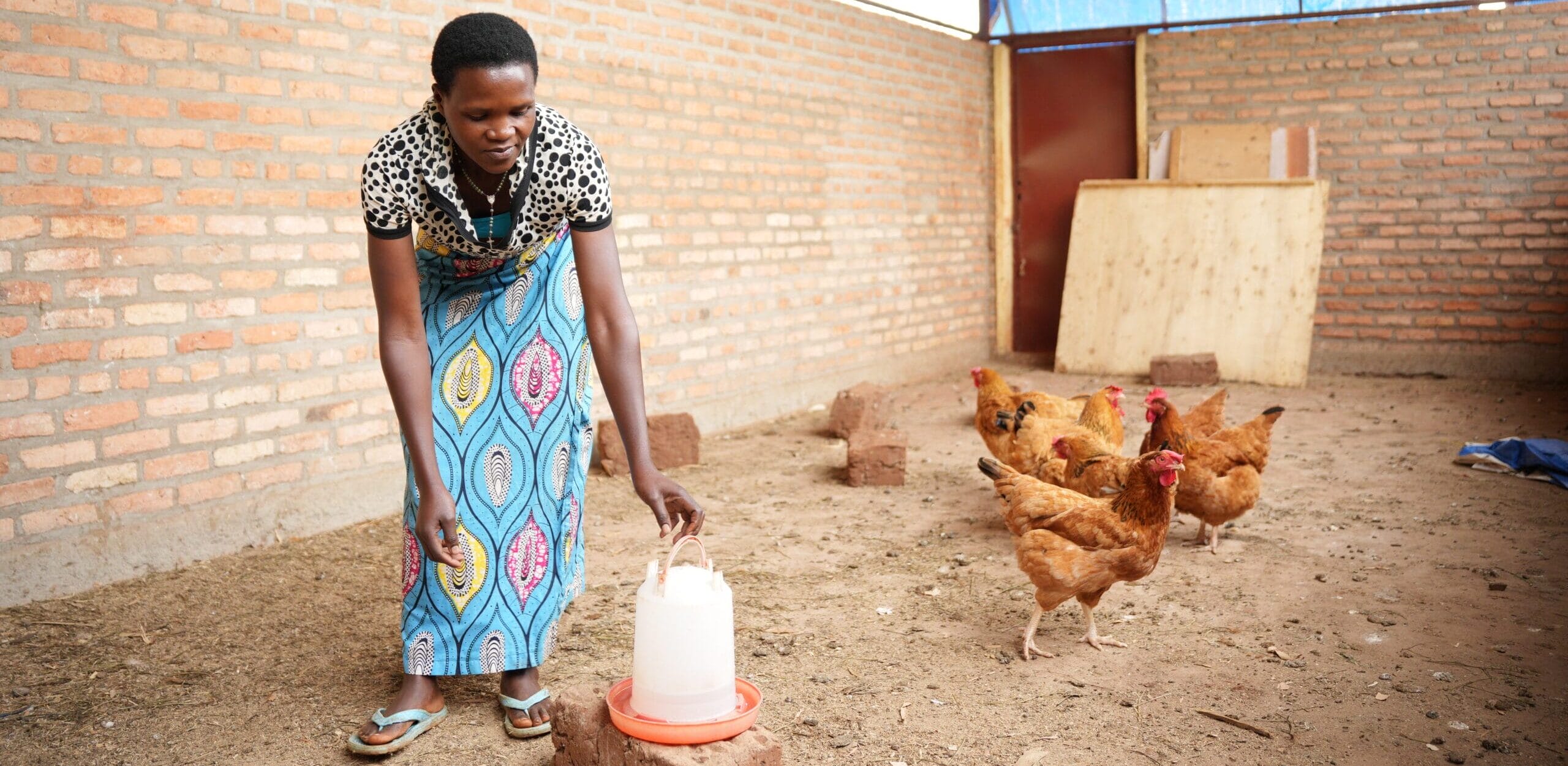
This work is part of the Farm to Market for Refugee Youth (F2MARY) project, which aims to create new opportunities for young people in and around Mugombwa Refugee Camp through chilli and poultry farming, while boosting incomes, creating jobs, and strengthening resilience to climate change. It is funded by the Mastercard Foundation through AGRA (formerly the Alliance for a Green Revolution in Africa).