How the WEEK project helped reimagine what an inclusive energy system can be.
Across Africa, governments are grappling with an uncomfortable truth: national development goals cannot be met when energy systems overlook the people who face the harshest impacts of energy poverty. Kenya is one of the few countries that has confronted this challenge directly. Its Gender Policy in Energy, launched in 2019, is widely recognised as a continental first not only because the policy exists, but because of the deliberate and inclusive process that made it possible.
The story behind the policy is not simply technical. It is a story about systems, participation, and the power of recognising whose experiences shape national decisions. The Women in Energy Enterprises in Kenya (WEEK) project has played a central role in this journey. Not as a stand-alone intervention, but as part of a longer process to make Kenya’s energy sector more representative, more participatory, and ultimately more effective.
The turning point: when the sector looked at itself honestly
The earliest shift began in the mid-2000s with Kenya’s first gender audit of the energy sector. The findings were stark. National policies and plans had very little to say about women’s needs, roles, and constraints. This was despite the fact that women’s gendered roles placed them at the centre of domestic energy use, clean cooking and last-mile distribution, leaving them to shoulder most of the health and safety burdens of inefficient energy systems.
Women shaped how energy was used across households and communities yet had almost no influence on the policies that guided investment, planning, and regulation. This disconnect laid the foundation for a new way of thinking about energy, one that took real lived experiences seriously.
Building the evidence that would change a sector
Over time, the WEEK project strengthened this shift by generating evidence from the ground. This included insights on how women entrepreneurs navigate emerging clean energy markets, how county planning shifts when women participate, how productive energy use transforms livelihoods, and how gender-blind policies can unintentionally deepen inequality.
WEEK approached gender not as a moral obligation, but as a question of governance. Who participates in decisions? Whose knowledge shapes investment choices? Whose priorities guide public institutions?
This reframing created the conditions for national policy change.
Grounding Kenya’s gender policy in data and evidence-based experience
By the time Kenya began developing its Gender Policy in Energy, there was already a substantial body of evidence showing that gender-responsive policy is not about inclusion for visibility. It is about designing systems that reflect how people actually use and experience energy every day.
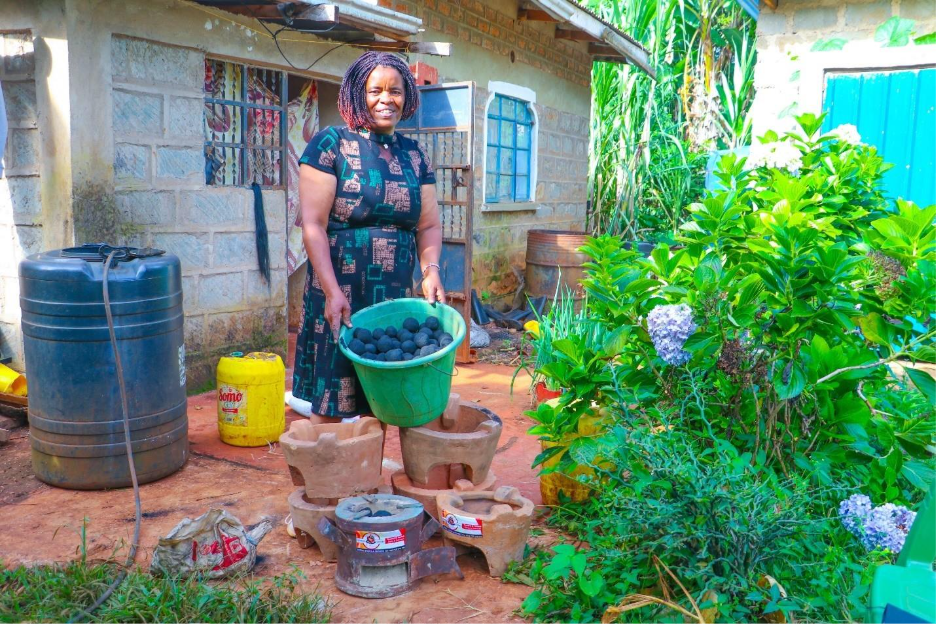
Through partnerships with the Ministry of Energy and Petroleum, ENERGIA, and civil society organisations, WEEK helped ensure the policy was rooted in real data, rigorous audits, and insights from across the energy ecosystem. National officials, county actors, civil society, and last-mile women entrepreneurs all contributed to shaping its priorities. Grounding Kenya’s gender policy in real experience.
From policy to practice: the institutional work that often goes unseen
Policy adoption is rarely the end of the story. What sets Kenya apart is the commitment to translating policy into institutional practice across the energy sector.
Working with Semi-Autonomous Government Agencies (SAGAs), WEEK supported a deep process of review, reflection, and reform. Agencies began revising gender policies, establishing gender committees, allocating dedicated budgets, and addressing longstanding systemic internal barriers. These included recruitment practices, workplace safety, data gaps, and the visibility and advancement of the inclusion of women in technical roles.
This is the quiet backbone of systems change. When gender becomes embedded in planning protocols, budgeting processes, reporting reorientation of structures, and government level performance contracts, it stops depending on individual champions. It becomes part of how a sector can transform to positive self-reorganisation.
This shift from project activities to structural change is one of WEEK’s most significant contributions.
Keeping Policy Connected and Inclusive
Even as institutions evolved, WEEK ensured that national policy remained anchored in lived realities. Women entrepreneurs involved in the project, many from rural counties, were treated not as beneficiaries but as knowledge holders whose experiences offered crucial insights into market systems transformation, gender just technological advancement technology choices, safety considerations, and household energy needs.
Their participation shaped county energy planning and informed national dialogues. They helped ensure that policy conversations were grounded in the practical and often overlooked dimensions of energy and the role of women in shaping the energy sector.
A pathway for others
The energy system taking shape in Kenya today is markedly different from where it began. The Gender Policy in Energy recognises gender as central to energy planning and assigns responsibilities across ministries, SAGAs, and counties. There is now broader political understanding that energy inequalities is gendered, that women’s participation strengthens the sector, and that inclusive policy design accelerates national progress on health, education, productivity, and climate resilience.
These shifts are gradual, but they are real. And they matter.
WEEK has helped show that gender-responsive energy systems are not aspirational ideals. They are achievable when long-term partnerships, grounded evidence, and the consistent inclusion of women in decision-making spaces come together. They also require a willingness to rethink how power operates in sectors that have historically been shaped by male gender opinions leading to a narrow set of experiences.
Kenya’s journey is ongoing, but it offers a credible and inspiring pathway for other countries seeking to build energy systems that work for everyone. WEEK’s contribution lies not only in the activities it delivered, but in what it helped shift: a policy culture that understands gender as fundamental to how energy systems function, and a governance environment better equipped to act on that understanding.
For Practical Action, this work reinforces a simple truth. Systemic change rarely begins with grand announcements. It grows through evidence, relationships, institutional strengthening, and the steady insistence that the people most affected by decisions deserve a voice in shaping them.
Kenya’s energy transition is stronger because of it.
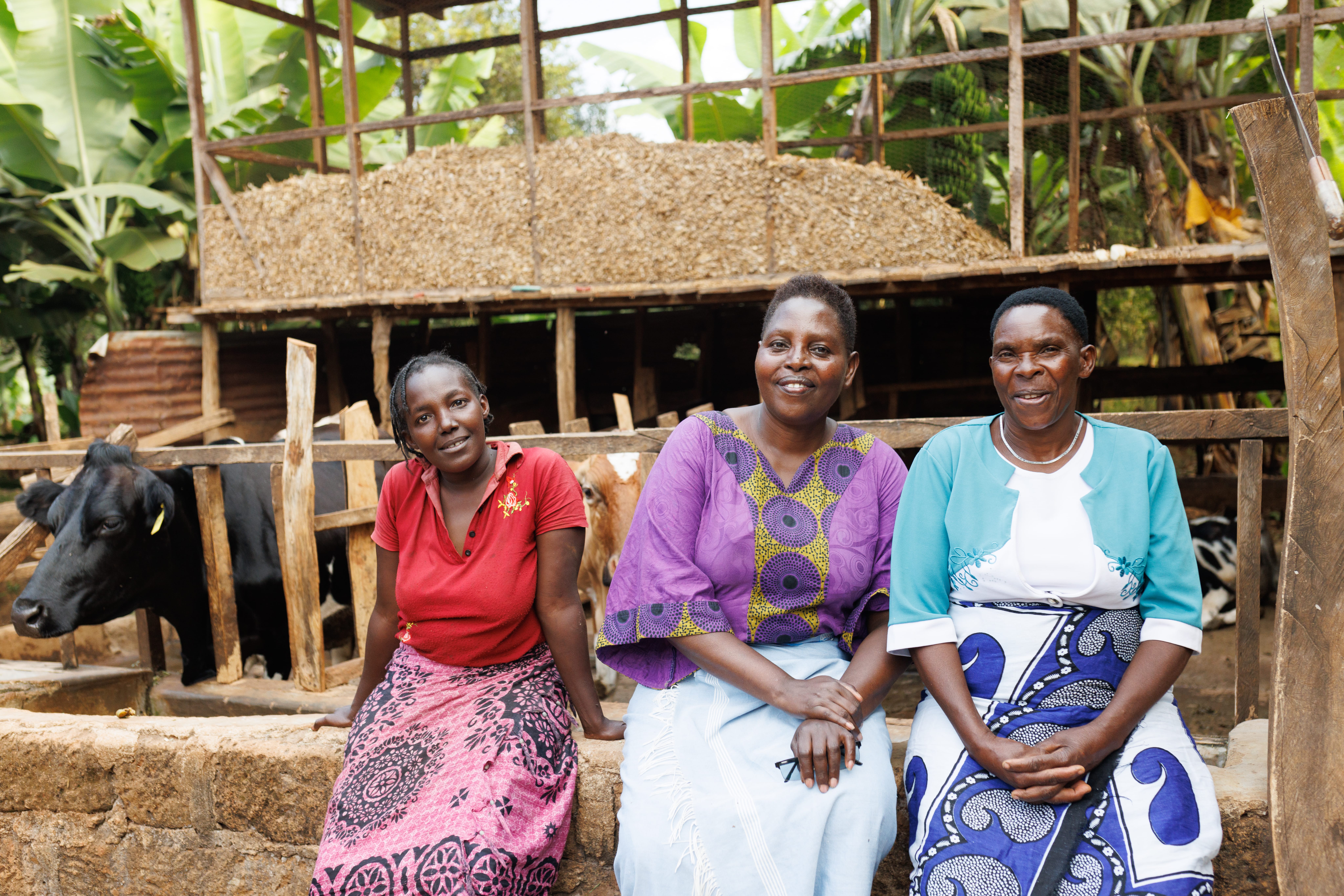
Looking ahead, Kenya’s progress offers important lessons for countries seeking more inclusive and resilient energy systems. As the world marks the 16 Days of Activism against Gender Based Violence, this work underscores how gender justice depends on systems that reflect and support women’s realities. Continued investment in evidence, participation, and institutional reform will be critical to sustaining this momentum.
Further reading and resources
- Kenya Gender Policy in Energy
- Policy Brief – MAINSTREAMING GENDER IN NATIONAL ENERGY POLICY AND PLANS
- Assessment Report – GENDER MAINSTREAMING IN SEMI-AUTONOMOUS GOVERNMENT AGENCIES (SAGAS) IN KENYA
If you would like to learn more about this work or explore opportunities for collaboration, please reach out to our team at: [email protected]