Practical Action has officially opened its new office in Ecuador, focused on helping build sustainable livelihoods and increasing biodiversity. In our first update, you can find out how we are helping farmers build on their existing skills and scale up good work already in place.
The evidence that the southern part of Ecuador’s Zamora Chinchipe province needs a new approach to conservation hits you in the face when you are there.
Increasing biodiversity loss due to deforestation as a result of practices such as cattle ranching has destroyed natural habitats and the disappearance of some native flora and fauna.
Degraded soils, caused by the removal of native vegetation cover have eroded badly creating landslides in the rainy season.
In the dry season, forest fires increase in deforested areas converted to grazing pastures, leaving large patches of black, burned land which contrast sharply with the lush, green forest.
It is an area where lack of opportunity and training combines with poverty, forcing people who rely on the land to make enough money to support their family, to decimate it.
Yet, two brothers are showing there is a way to make money and create a brighter future and thanks to a new programme of work, Practical Action intends to recreate their changes on a much bigger scale.
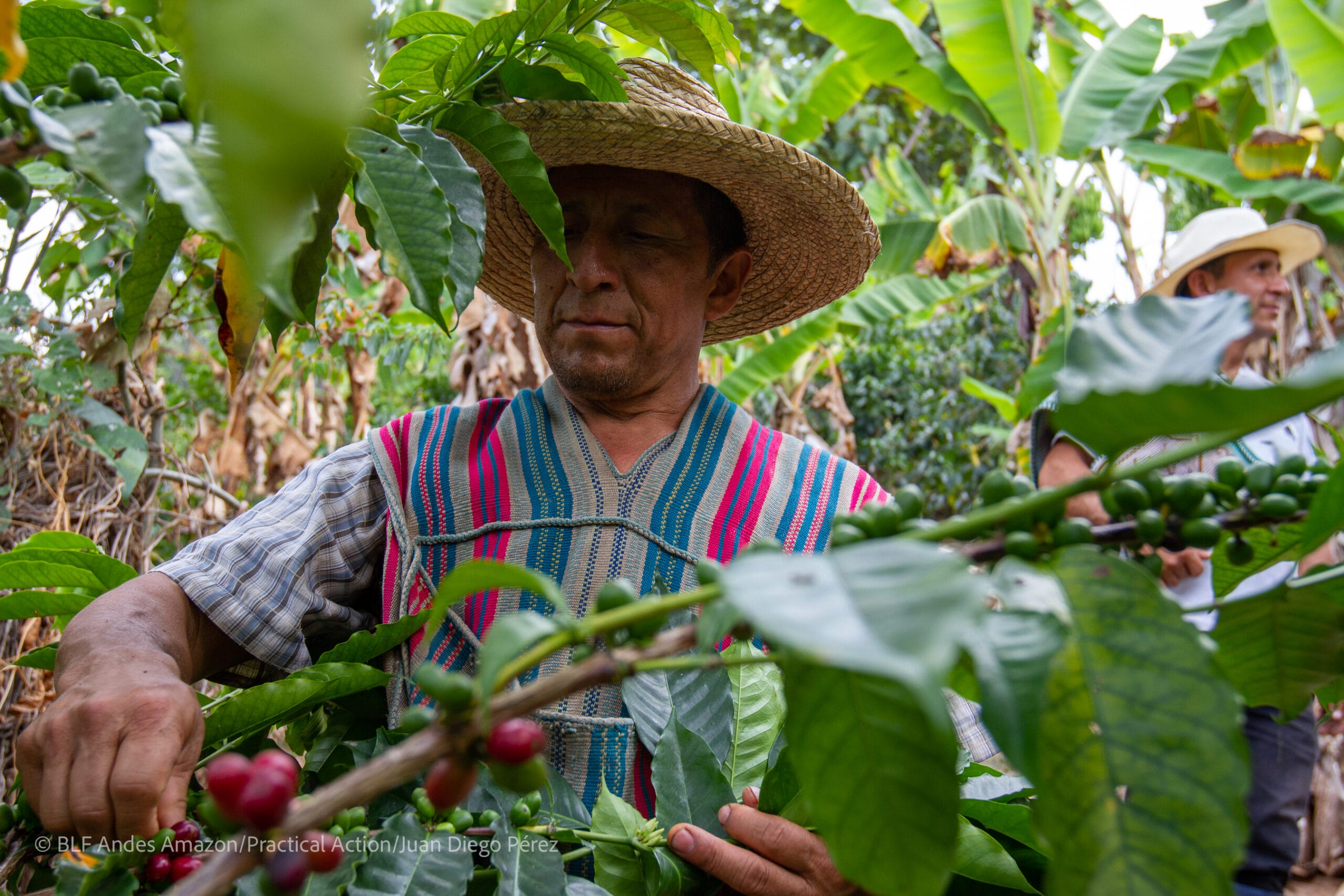
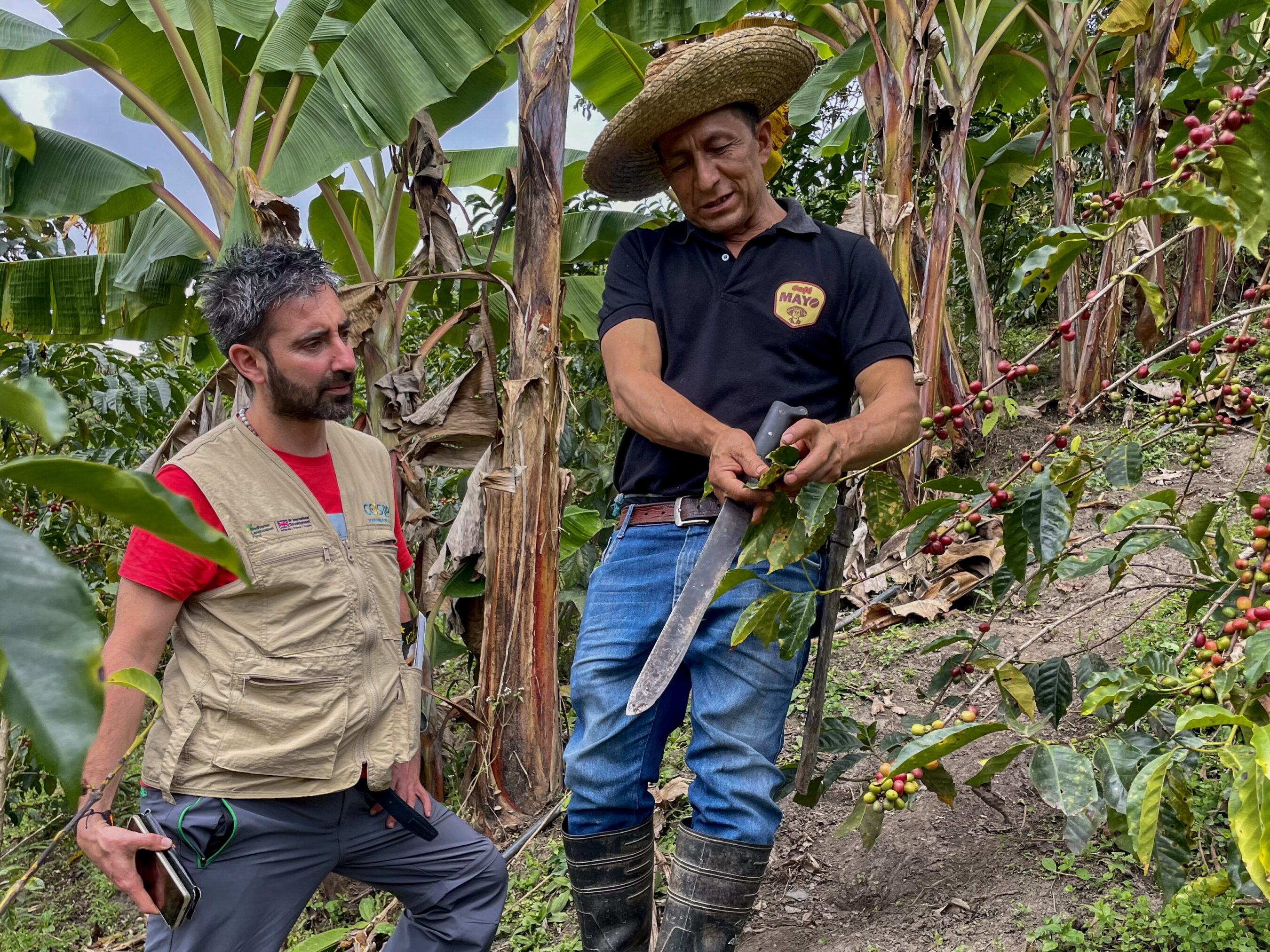
In the Zamora-Chinchipean towns of Palanda and Zumba, brothers José and Wilman Mayo grow shade-grown coffee, integrating trees, crops, and fruit species that revive the ecological health of their farms.
These practices improve production, diversify income, and enhance the health of the local ecosystem, but also improve their ability to cope with climate change and reduce the risk of fires.
Coffee-Growing Tradition and Alternatives for Conservation
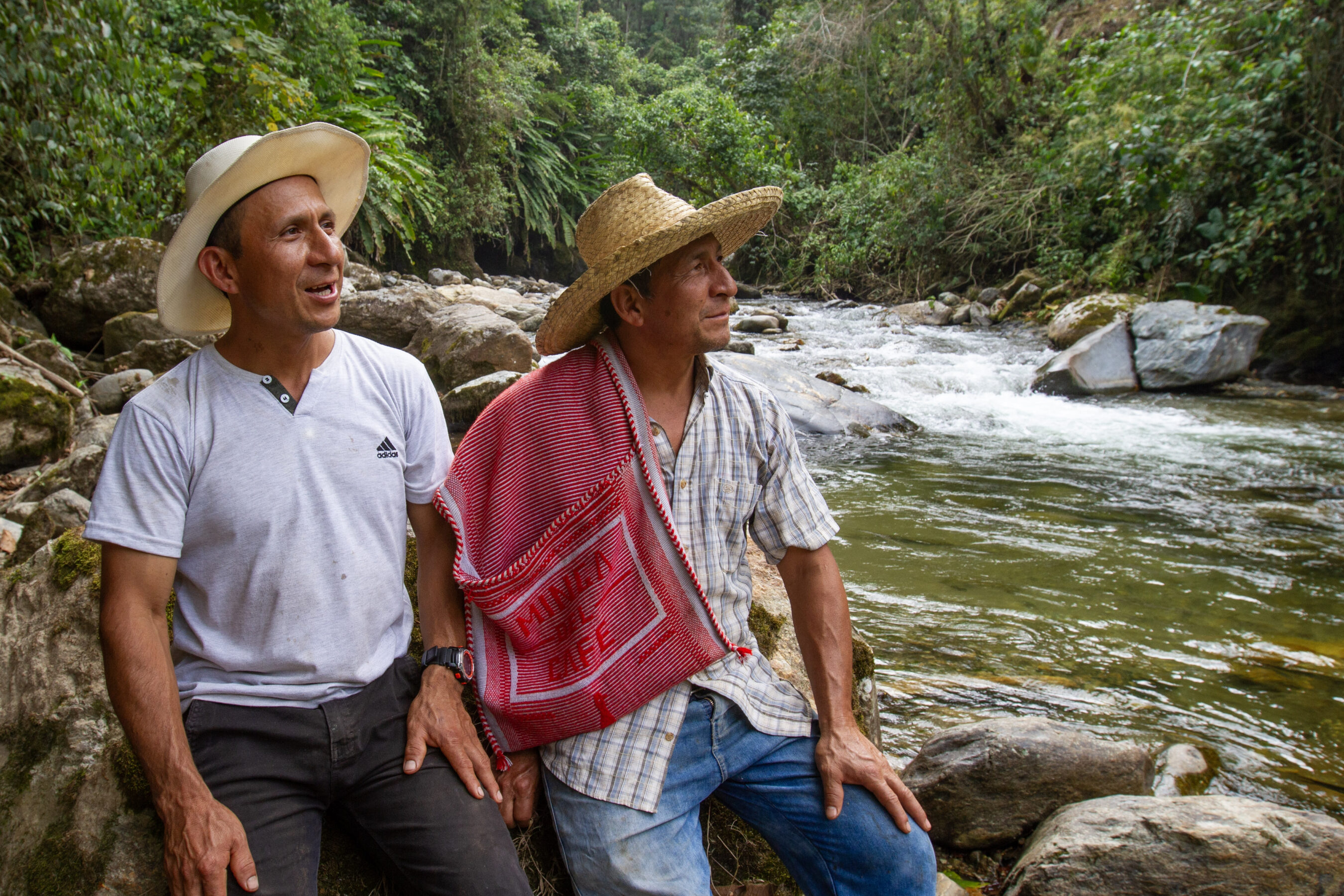
The brothers inherited their knowledge and passion for coffee from their father, Jose, who started the family business and led a local federation of organic producers.
After working for several years alongside him, each pursued his own path and now they manage their own farm: José runs Finca Los Gemelos in Palanda, while Wilman manages Finca Los Romerillos in Zumba. Like their father, both are members of associations that promote responsible production: José belongs to the Artisanal Agricultural Association of Organic Producers of the Mayo River Basin (ACRIM), while Wilman belongs to the Association of Ecological Coffee Farmers of Palanda and Chinchipe (APECAP).
Year after year, the Mayo brothers replant 150 hectares across their two farms, cultivating coffee alongside local tree species, like cedar, romerillo, and guayo, as well as other species like mahogany and eucalyptus, and smaller plants. This method protects the soil in a way that growing single crops cannot do. It also helps restore forest ecosystems while creating optimal conditions for coffee cultivation. Farming in harmony with the forest allows them to conserve water, attract wildlife, and reduce carbon emissions.
The smaller plants grown include cassava, plantain, guaba, and beans, which the family eat or sell in local markets in Palanda and Zumba.
They both produce shade-grown, high-quality coffee varieties such as Bourbon, Típico Mejorado, and Geisha. In 2024, their production reached 14,000 kilograms of organic coffee and a certification granted by ACRIM that guarantees compliance with high standards. Their specialty coffee is sold on demand, with tasting fairs serving as their main sales channel.
More than Coffee: Innovation with a Family Face
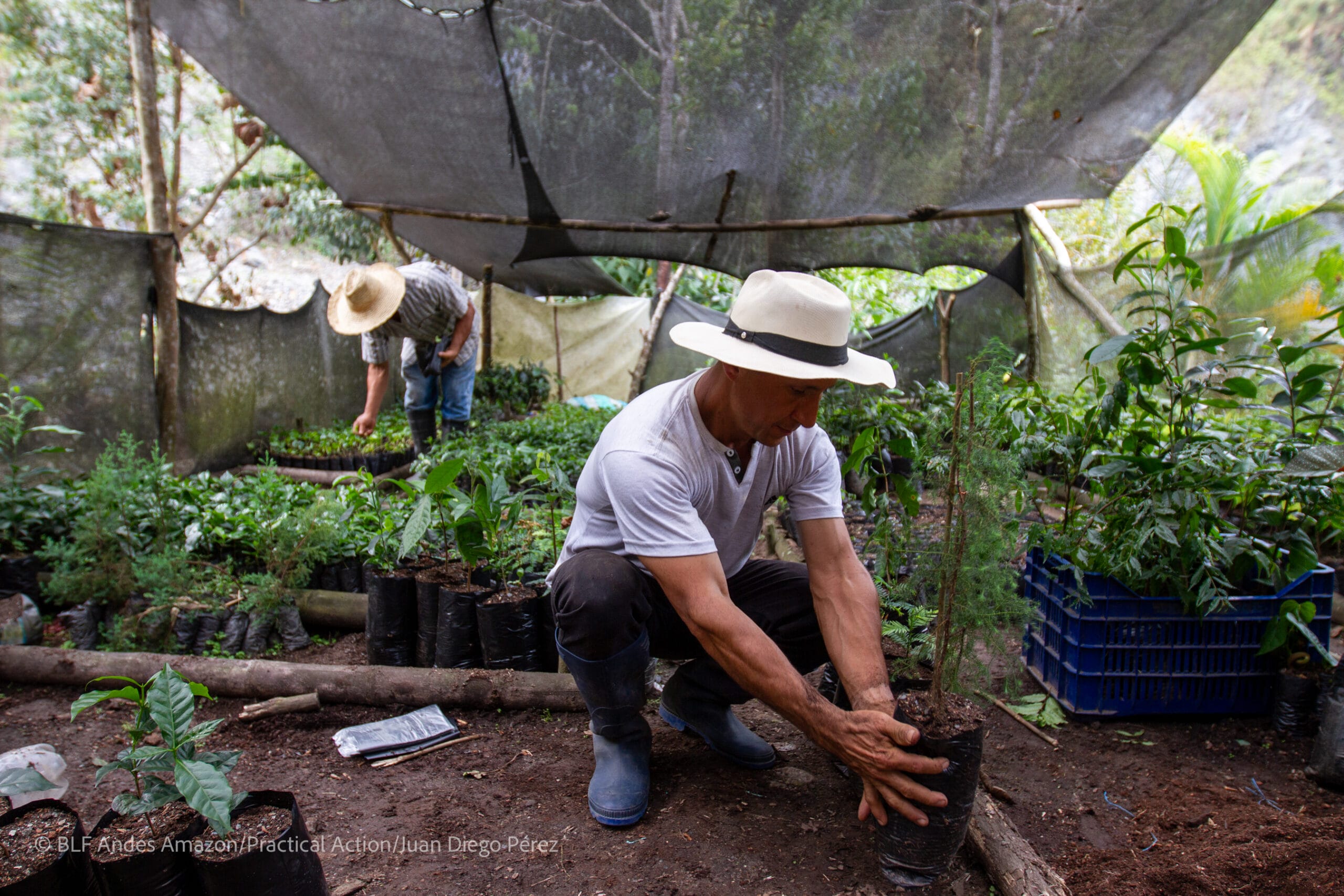
Now José and Wilman have gone a step further, processing their coffee to create a coffee-infused liqueur, introducing honey production and ecotourism into their farms. They also manage a tree nursery with forest species—both native and non-native—to reforest degraded areas.
José and Wilman’s sons and daughters follow in their’ footsteps, learning new ways to innovate with the family products. Tavy and Gonzalo, part of the new Mayo generation, are training as baristas – perfecting their skills in tasting and cupping.
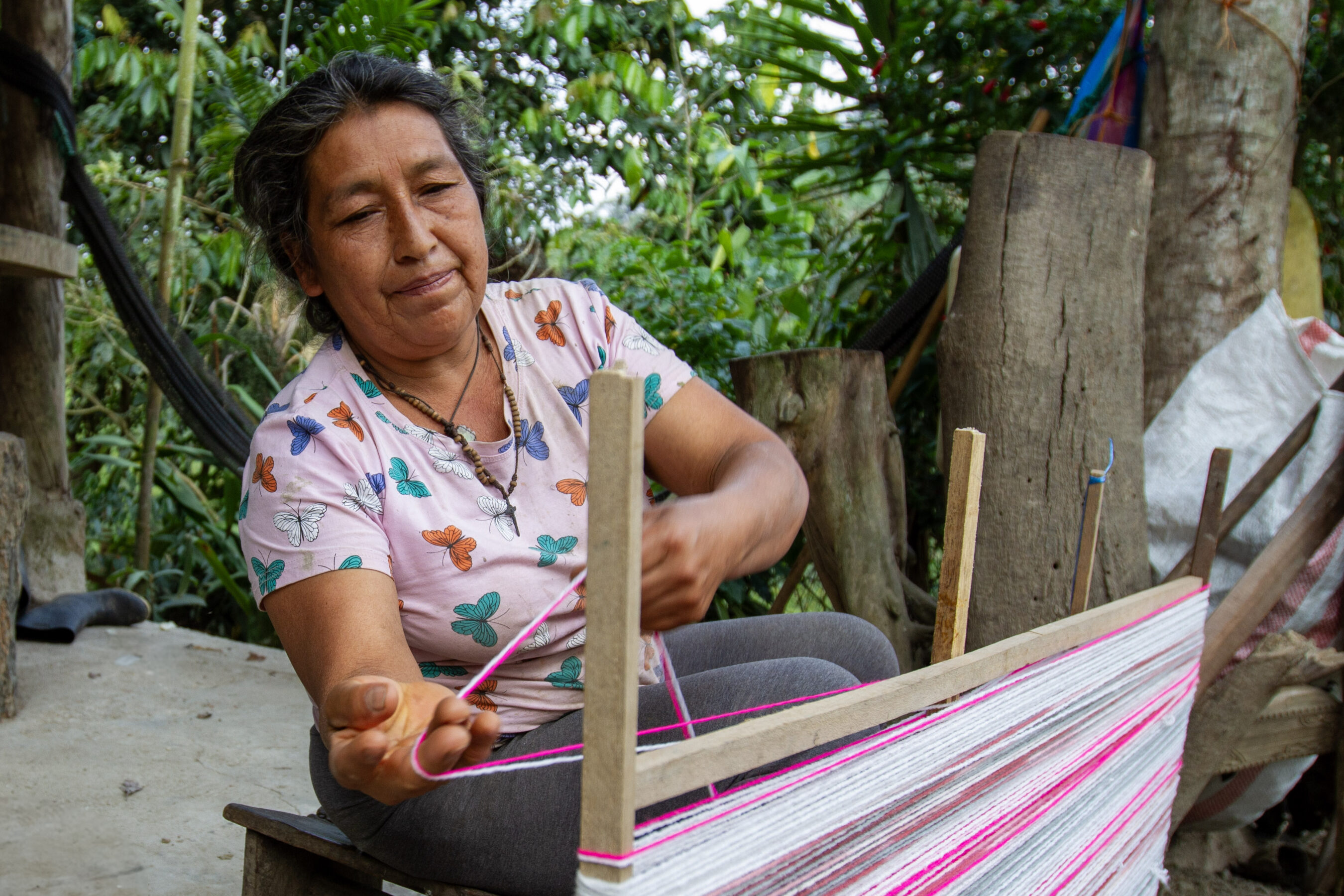
Fany, José’s wife, keeps alive the tradition of hand-weaving the bags used to collect coffee beans. Although sales remain limited, this represents a cultural practice the family is working to revitalise.
Zamora Chinchipe: A Key Area for Conservation
Zamora Chinchipe, is part of the Andes-Amazon Landscape: an ecosystem sitting between Ecuador and Peru spanning over 11 million hectares. It faces forest loss, the need to promote sustainable economic activities, and the urgent need for climate change adaptation.
It is part of the Biodiverse Landscapes Fund project (BLF Andes Amazon), a binational initiative that aims to conserve biodiversity, increase sustainable job opportunities, and improve the way the area is governed.
José and Wilman first learned about diversification through their father, but improved their skills through an organisation called COSPE, who provide field schools to local farmers for the adoption of sustainable farming methods for products such as coffee, cacao, and plantain. COSPE are one of the key partners in the BLF programme.
A Legacy that Sows the Future
The commitment of coffee farmers like the Mayo brothers demonstrates that sustainability is possible when tradition, local knowledge, and technical support is available.
The project is led by Practical Action and implemented by a consortium of partners including COSPE, WWF, AIDESEP, Terra Nuova, and NCI, with support from the UK government.
We believe that big change can start with a cup of sustainable coffee.
If you would like to join this journey in Ecuador and create change for good, please contact:
Balvanera Cruz
Representative of Practical Action in Ecuador and BLF project deputy director