Prompted by the massive impacts of the Covid-19 crisis, we look at how to build long-term resilience to the climate crisis, exposing fundamental problems with the current systems.
A time for change
The global health crisis has exposed the world’s vulnerability. A threat we weren’t prepared for, have struggled to respond to, and are paying a high price for. A crisis that has highlighted the thin margins on which the global economy runs – high risk ‘just in time’ systems, rather than more resilient ‘just in case’. In the midst of the pandemic the systems we rely on fell over like skittles, with hospitals overwhelmed, PPE running out, looming food shortages and economic meltdown around the world.
An uncertain future
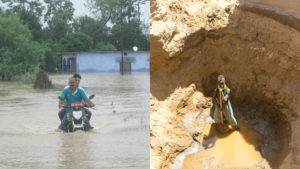
But while the global spotlight is focused on controlling the pandemic, it’s not the only threat we’re vulnerable to. The climate crisis hasn’t gone away. Hardly a week passes without news of devastation caused by floods, droughts, landslides and storms. With vulnerable communities facing the impossible challenge of social distancing while running for their lives.
- In India, 50 people died and two million have been affected by floods.
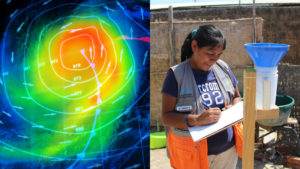
- In May, Cyclone Amphan ravaged West Bengal and Bangladesh, forcing millions to evacuate in the midst of the coronavirus pandemic.
- Rainfall, well above average, has saturated areas of Nepal. And millions more people in South Asia are coping with the catastrophic effects of monsoon floods and landslides against the backdrop of the virus.
This year the Earth experienced its hottest May on record, with temperatures in the Arctic Circle hitting 38 C. An unheard of heatwave in Siberia triggered widespread fires, and the high temperatures accelerated melting of the permafrost leading to one of the worst oil spills ever in the region. And wildfires ripped through forests from Australia to California. The future doesn’t look promising. So as governments mobilise massive resources to build back better in response to the pandemic, the questions we should be answering are whether we’re happy to settle for normal, or can we do better?
The uncomfortable truth – there’s nothing natural about disasters
In his recent book, Disaster by Choice, Ilan Kelman, Professor of Disasters and Health at University College London brings together decades of research and unveils an uncomfortable truth – that human actions turn natural hazards into catastrophes. Disasters are created and exacerbated largely as a result of social, economic, political, cultural, and historical vulnerabilities, rather than the hazards themselves.
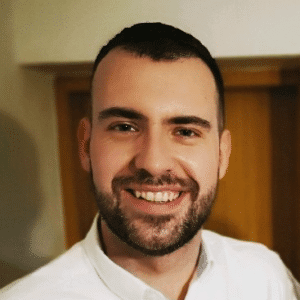 Dr Robert Sakic Trogrlic is Climate and Resilience Officer at Practical Action. His work focuses on building a robust evidence base for ingenious solutions to climate change that work for the poorest and most vulnerable.
 Colin McQuistan is Head of Climate and Resilience at Practical Action. He has worked extensively on issues related to the poverty-dimensions of sustainable development, disaster risk reduction and climate change adaptation. His main areas of interest are in systems approaches, complexity, resilience and the challenge of Climate Change.
 Sunil Acharya is the Regional Advisor for Climate and Resilience at Practical Action. He provides technical advice and support on climate change and disaster risk reduction policy, with a specialist focus on South Asia and Least Developed Countries.