
Could cutting edge technology make electricity affordable for millions of displaced people?

By Practical Action - 24.03.2026 Energy

Equipment which could unlock the potential of millions of displaced people around the world over the next decade and beyond will be trialled in Rwanda and Uganda.

Energy experts from Practical Action have teamed up with academics from universities in Africa and Europe to test potentially life-changing equipment.

Together, they will work in Rwanda’s Mahama camp and in Uganda’s Bidibidi camp to better understand how to make access to electricity and clean cooking solutions affordable for more households.

Already, Practical Action has shown that electricity and improved cooking can transform the economic well-being and health of displaced people.

But the cost of installing renewable energy systems which provide homes with enough power to light and run TVs, radios, fridges and charge phones means that most families still cannot afford them.

Michael Newhouse, senior project lead in Rwanda, will manage the implementation phase of the programme.
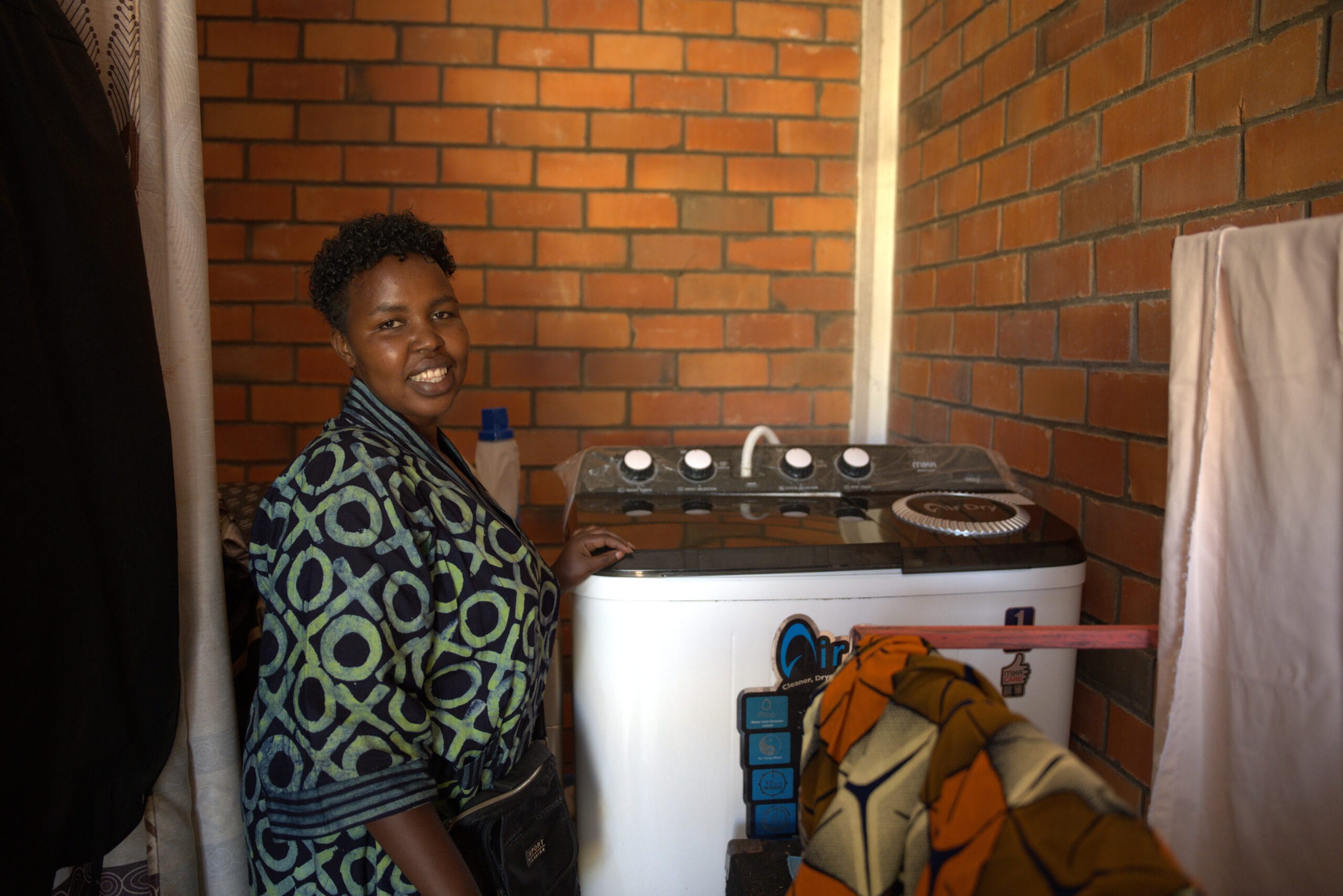
“We are already implementing programmes which support people to do this, but the reality is, we need to reduce the cost of doing so.

“This programme is all about looking ahead at the next 10 to 15 years and taking the next generation of technology and innovation into camps to see what it can do for displaced people.

“It will enable us to take a look at the advantages and disadvantages offered by a variety of options, with the long-term aim of adapting and improving them so that they can offer energy access for more people in camps.

“This programme is focused on innovation and experimentation, running field trials on new technology.

“Inevitably, some things will succeed and others will fail – what is important is the learning, and the potential for life-improving solutions to be rolled out and scaled up so they can potentially change millions of lives for the better.

“That makes this an exciting project to be a part of.”

Innovative clean energy technologies set for trials in East African refugee communities

Technology earmarked for trials has been designed in partnership with experts from University of Rwanda, Makarere Univerity (Uganda), Technische Universität Berlin (Germany) and Lappeenranta-Lahti University of Technology (Finland) and includes:

  • Extra-powerful solar home systems, which can be distributed across a number of homes in a “micro-grid”
  • Shared community refrigeration
  • Hydrogen-based clean cooking
  • Biogas for clean cooking


Following the end of a data collection phase, the trial period will be rolled out later this year and new technologies introduced and monitored over a 12 month period.

Throughout this time, the programme team will work with refugee families to understand how effective each option has been, and to understand how it can be taken to scale.

For more information about the project, or to interview experts from Practical Action and the programme partners, please contact Andrew Heath or Steve Kubate.


For press and media enquiries