
Alexandria Gordon (Women’s Environment & Development Organization) and Demet Intepe, PhD. (Practical Action)
If the world genuinely intends to help people adapt to climate change, including women cannot be treated as optional. It must be the starting point for every plan and policy. Evidence consistently shows that when women and girls—in all their diversity—participate fully in adaptation efforts, entire societies benefit. Putting gender at the centre makes adaptation stronger, more equitable, and more sustainable.
COP30 was expected to cement this understanding. Touted as “the COP of Adaptation,” it fell far short. Once again, decisions were made without meaningful consideration for the people already facing the harshest climate impacts. Communities trying to protect their homes, harvests, and livelihoods are still denied the resources and action they urgently need.
The UN Environment Programme’s annual Adaptation Gap Report outlines the scale of investment and measures required. What is missing is political will: the willingness to respond to communities facing destruction and loss, and the willingness to acknowledge that adaptation fails without women because it ignores half the knowledge and leadership societies depend on.
Women are central to decisions about land, food, water, care, and community organising—on farms, in markets, in local government, cooperatives, or social movements. When their rights, voices and priorities are excluded, policies address only part of the risk, funding bypasses those best placed to use it, and solutions fail to reflect how communities actually adapt.
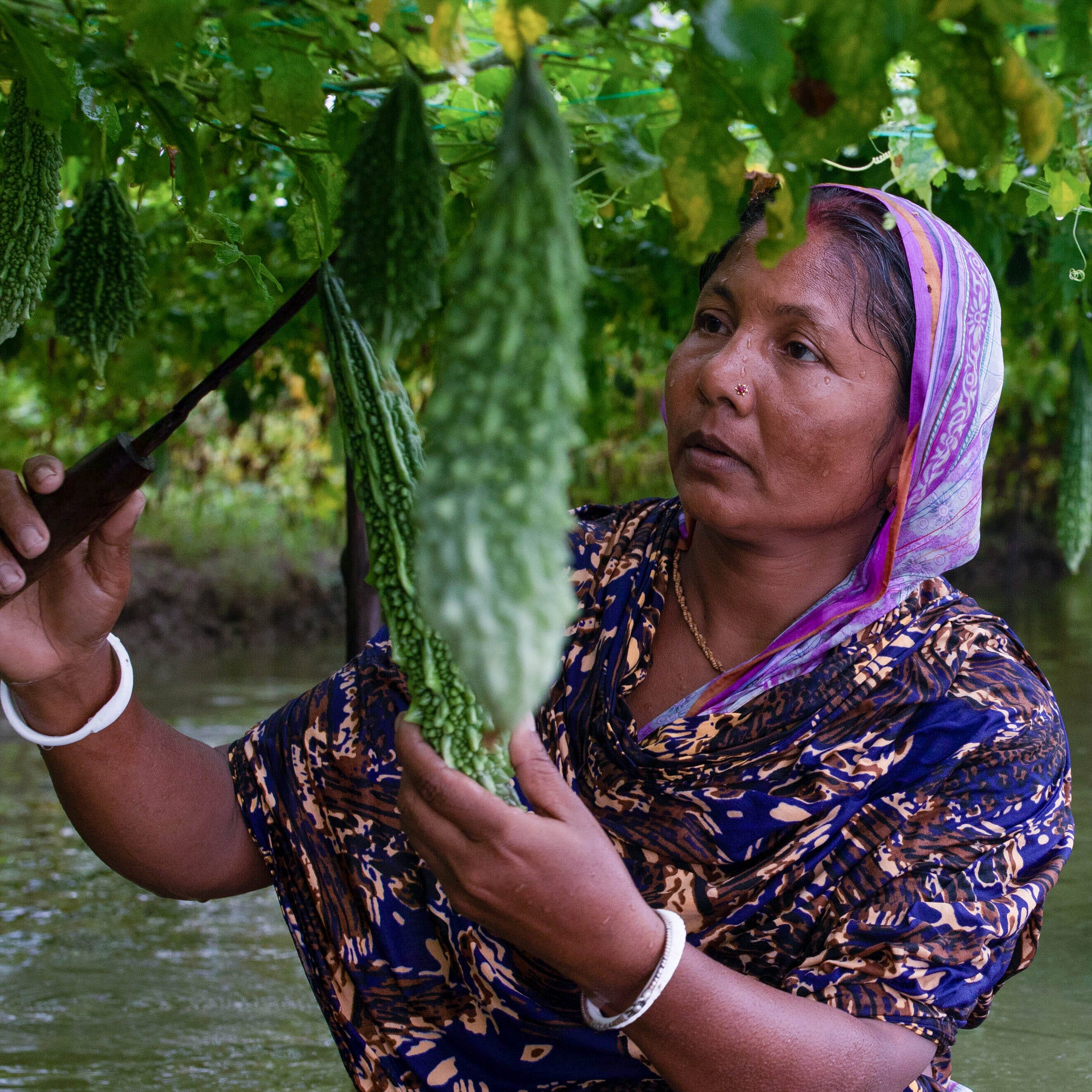
Purnima Rani Biswas in Bangladesh rebuilt her livelihood after Cyclone Amphan devastated her village. When floodwaters finally receded, she and her community received training to restore their fields and strengthen resilience. Purnima began growing crops on elevated dykes above future flood levels. Her success inspired neighbours, proving that farming on shifting, flood prone land is possible. Recovery has been slow, but the community now believes adaptation is achievable.
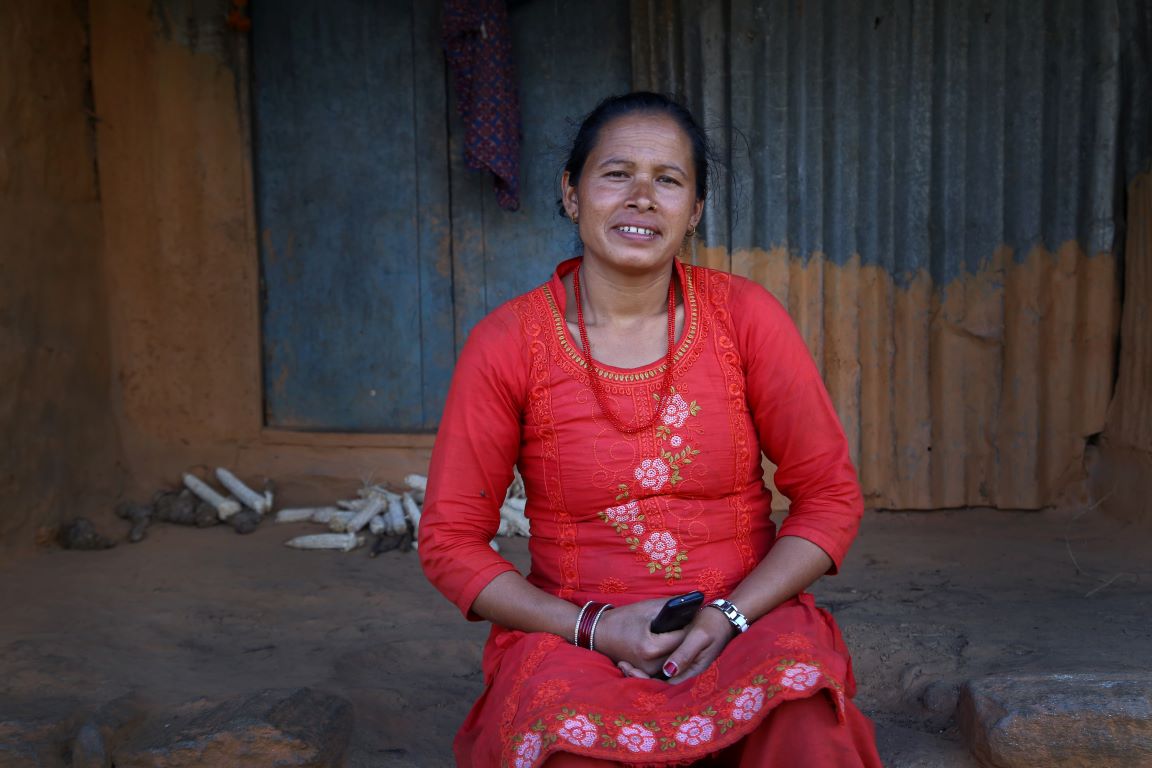
Women leading adaptation on the ground
Saraswati Sonar, chair of her local Community Disaster Management Committee in Nepal, plays a crucial role in keeping her community safe. She regularly contacts government hotlines for weather updates and alerts elderly people, pregnant women, and families with young children when evacuation is necessary. Her leadership ensures timely, life saving action.
These examples show that women are not passive victims of climate change—they are active agents of resilience.
What gender responsive adaptation really means
Language shapes action. Terms like “gender‑sensitive” often become symbolic rather than transformative. “Gender‑responsive,” however, demands concrete action. It means:
- Integrating gender as a priority across planning, budgeting, implementation, and monitoring
- Recognising unequal access to land, income, technology, mobility, and decision‑making, and how these shape people’s ability to adapt
- Acknowledging who grows food, collects water, rebuilds homes, and who is left behind during crises
Gender‑responsive adaptation is not about elevating women above others. It is about making climate policy effective. Without women, climate action fails. And climate policy must advance gender equality rather than deepen existing gaps.
Yet at COP30, some governments resisted the term “gender‑responsive,” preferring weaker language that allows them to avoid meaningful commitments to equity and justice.
What COP30 achieved—and where it fell short
Despite major shortcomings, COP30 delivered a few important steps for gender and adaptation.
A new Gender Action Plan was adopted by countries, which will help mainstream gender across national plans and global policies.
The Global Goal on Adaptation (GGA): counting what matters
Countries adopted 59 indicators to track adaptation progress, including a gender‑specific indicator. This is a significant win: for the first time, global reporting will show whether national policies are genuinely gender‑responsive and whether they address everyone’s adaptation needs.
National Adaptation Plans (NAPs): a step backward
NAPs guide a country’s adaptation priorities for five years and signal where investment is needed. This year’s decision weakened gender commitments, making them conditional, stating climate adaptation only had to be gender responsive “when applicable”, instead of central. This risks sidelining gender entirely. Civil society will now need to work harder to ensure gender remains embedded in national adaptation planning.
Adaptation finance: COP30’s biggest failure
The Adaptation Fund remains a leader in integrating gender into climate finance. But pledges reached only about $135 million—less than half the $300 million target.
The decision to “triple adaptation finance by 2035” is vague and would still fall short of meeting adaptation needs. Without predictable, grant‑based finance, even the strongest plans cannot reach the communities that need them most.
What needs to happen next
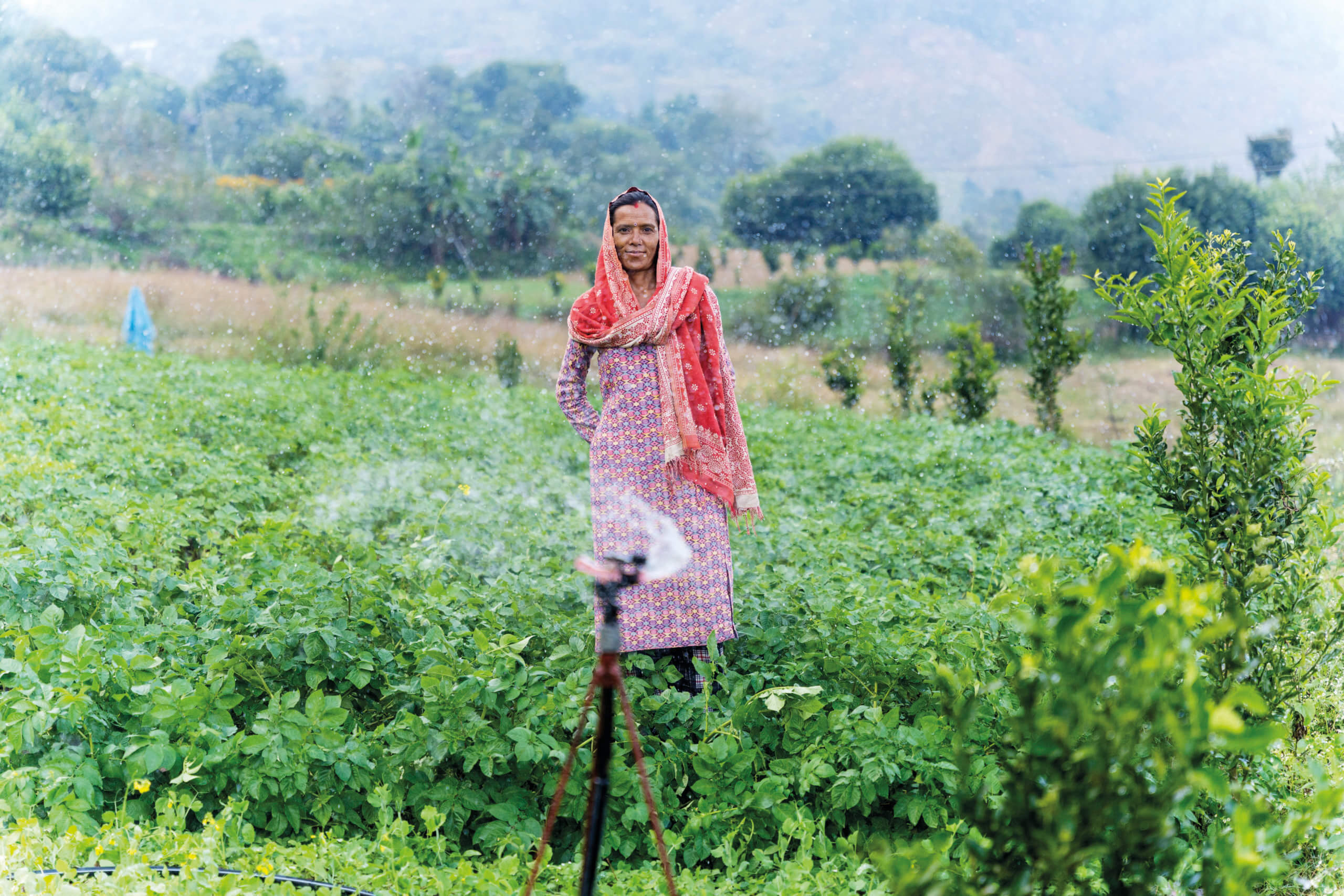
Real adaptation happens in homes, fields, forests, and coastal villages—not in negotiation rooms. Communities living through climate impacts already know what works. Community‑led, gender‑just approaches consistently reduce climate risk and build resilience.
To turn the Gender Action Plan’s commitments in the into action, governments must:
- Make gender‑responsive adaptation non‑negotiable
- Invest in locally led solutions that prioritise community leadership and women’s intergenerational knowledge
- Ensure finance reaches frontline communities without creating new debt
- Use GGA indicators to strengthen transparency and accountability
Organisations like the Women’s Environment and Development Organization and Practical Action already work with communities using rights‑based, gender‑just approaches that reflect local needs and priorities. The real test is whether governments will embed gender‑responsive adaptation into NAPs and the GGA—not as a box‑ticking exercise, but as a foundation for fair and effective climate action.
It is crucial for organisations that work directly with most impacted communities to be part of conversations on adaptation, including countries’ policy development.
From commitments to action
For COP decisions to matter, they must translate into action on the ground. Adaptation can no longer remain the slow lane of climate action, and gender can no longer be sidelined. Governments, donors, climate funds, implementing organisations, movements, and UNFCCC bodies all have roles to play. If they fail to act, the same debates will repeat at every COP while climate risks intensify.
Every global decision and national action must now be intentionally gender‑responsive. We have a narrow window of opportunity to turn commitments into real support for communities facing climate loss and damage.
Why adaptation fails without women is no mystery. The question is who will act on what we already know.