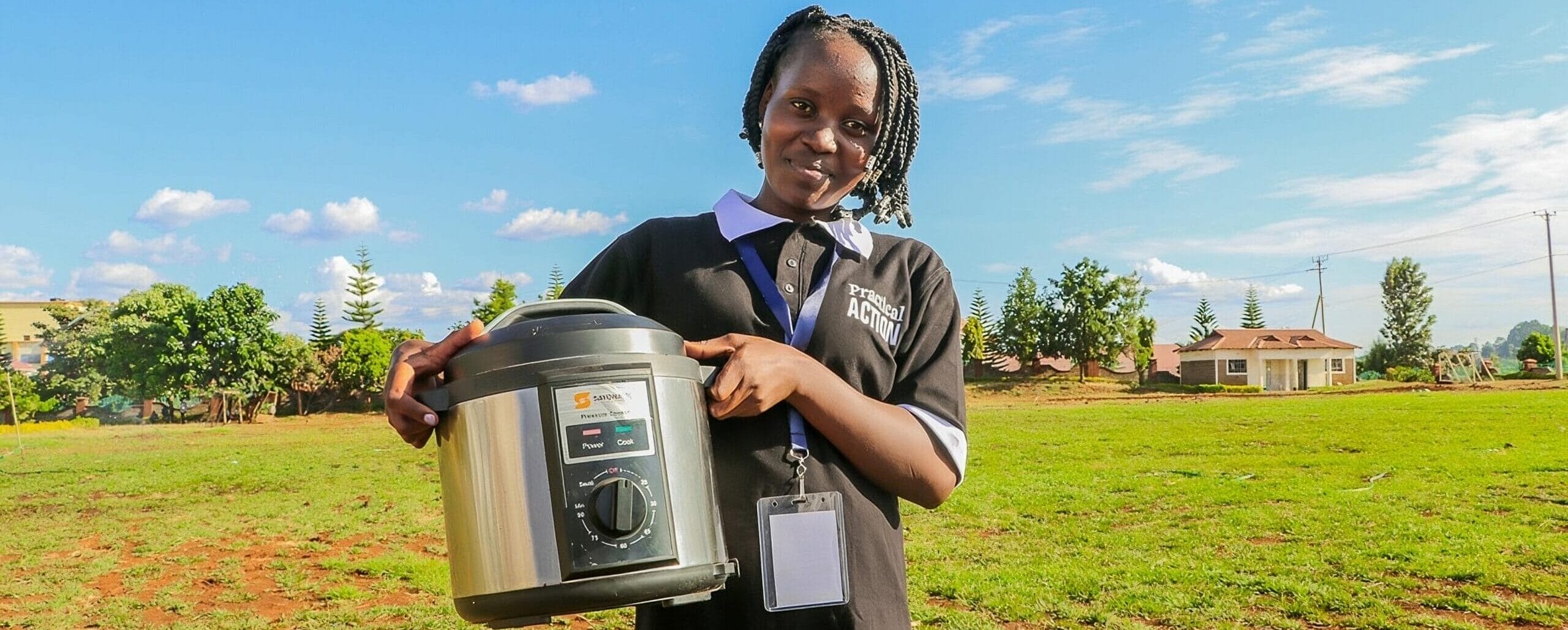
Communities across Kenya will benefit from clean, reliable energy after Practical Action support county-level energy planning, policies and investment.
Energy planning in Kenya remains fragmented and often constrained by limited and unreliable data, despite improvements in renewable energy generation and policy reforms.
As a result, only a small number of the country’s 47 counties currently have evidence-based energy plans to guide efforts to expand energy access.
An estimated 12.9 million people in Kenya also still lack access to electricity, and fewer than half of households enjoy a reliable power supply, particularly in rural areas.
Access to clean cooking also remains limited, with many families relying on firewood or charcoal. These challenges disproportionately affect low-income households, women, young people and people with disabilities.
Practical Action’s work will support five counties; Murang’a, Siaya, Tharaka Nithi, Homa Bay and Kajiado. Together, they will develop effective, inclusive energy plans and policies, while identifying opportunities to attract investment into clean energy solutions.
Energy planning under the initiative will promote decentralised renewable energy systems and clean cooking solutions, helping to create local jobs, improve energy access and strengthen community resilience.
The work will build on Practical Action’s proven fast-track approach to energy planning, informed by experience from similar initiatives elsewhere in Kenya.
Susan Maina, Practical Action Country Director for Kenya, said:
“We will be applying decades of experience gained from working with low income communities, government officials and private sector entrepreneurs in the energy sector to improve the way energy plans and policies are developed and executed.”
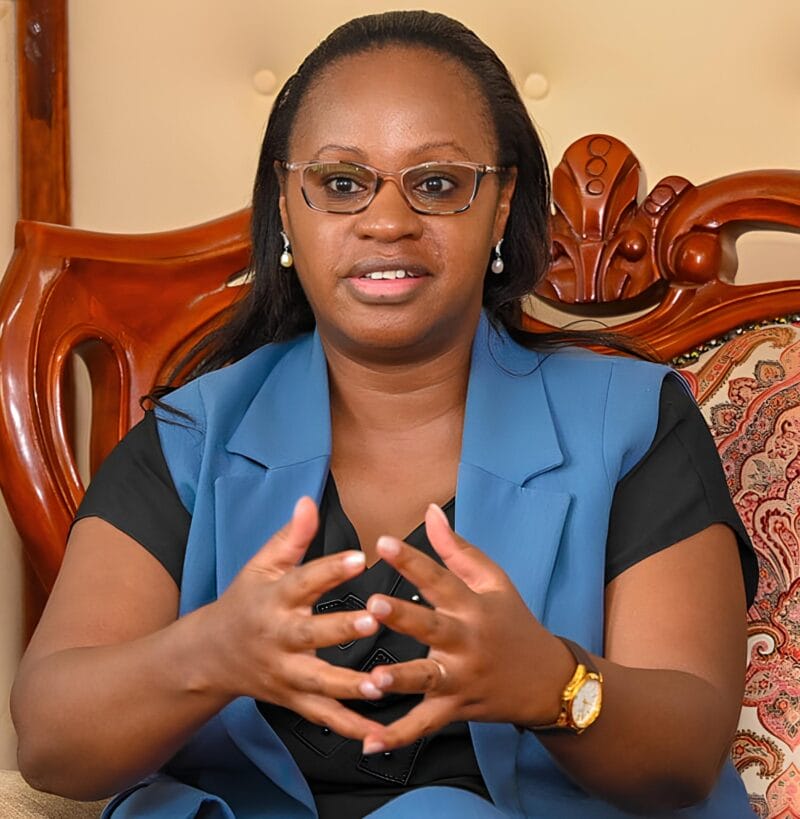
The work will help unlock investment, improve service delivery and build resilient livelihoods and ensure women and marginalised groups are better reflected in energy decision-making.
“In doing so, this initiative will improve the lives of the many thousands of people who will benefit most from green energy.”
The initiative is expected to deliver:
- Increased investment in sustainable energy projects through better planning and resource mobilisation.
- Enhanced capacity for evidence-based, gender-responsive and socially inclusive energy planning and policymaking at both county and national levels.
The £1,015,100 Partnership for Advanced County Energy Planning in Kenya (PACE-Kenya) project is funded by UK PACT(Partnering for Accelerated Climate Transitions) and implemented by Practical Action, Strathmore University and KTH Royal Institute of Technology.